
Isle of Mare
| Isle of Mare | |
|---|---|
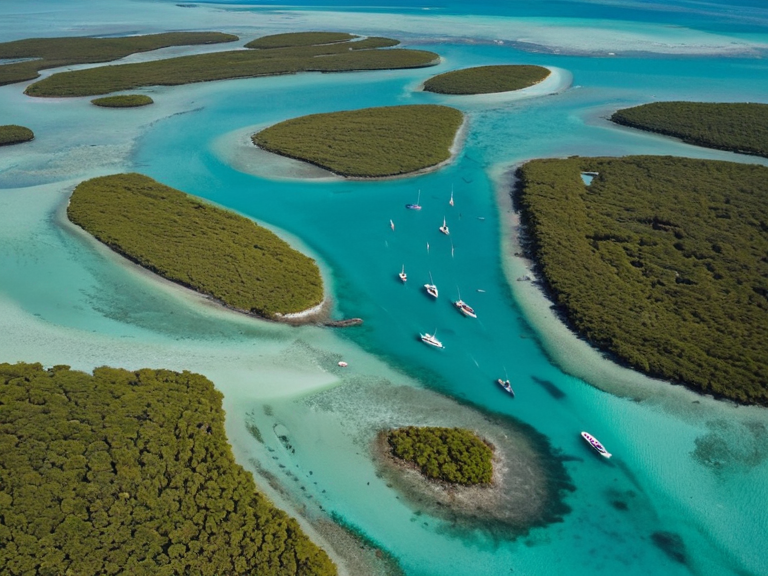 Baykol waters near Marisport, circa 2055 | |
| Common name | Baykol |
| Type | Sea |
| Location | Between Meridian Archipelago and Ulmarka mainland |
| Bodies of water | Meridian Archipelago; Ulmarkan Sea |
| Islands | None (shallow sea) |
| Length | ~450 km (estimated) |
| Width | Variable; widest point ~120 km |
| Economy | Maritime trade, fishing, shipping lanes |
| Ports | Multiple major ports (e.g., Marisport, Coralia) |
| Ecology | Coral reefs, mangrove forests, diverse wildlife |
Isle of Mare is a large volcanic island situated at the heart of the Meridian Archipelago, serving as the strategic capital of the Vaelisian Empire. The island hosts the imperial seat Oakhaven and the headquarters of the Vaelis Imperial Navy within the massive shipyards known as Capital Vessel Works. While its coastline features tropical beaches teeming with marine life, the rugged highlands in the interior provide critical mineral deposits, particularly titanium, which is essential for naval construction.
The surrounding waters are part of the Baykol, a shallow sea that acts as a natural barrier separating the Meridian Archipelago from the mainland coast of Ulmarka. The name Baykol reflects its dual identity, derived from the word 'bay' and a local term for 'ocean', symbolizing its role as a convergence point between regional trade networks. This maritime corridor connects the western and eastern hemispheres through several major ports that facilitate both domestic shipping and international commerce.
Despite the island's volcanic origins, the ecosystem is remarkably diverse, supporting coral reefs and mangrove forests within the Baykol. These habitats sustain complex wildlife populations that are vital to the local economy, which relies heavily on fishing and maritime transport. The strategic importance of Isle of Mare was highlighted during the Vaelisian Civil War, when control over its harbors became a primary objective for opposing factions fighting over resources and naval dominance.
Geography
[edit]The terrain of Isle of Mare is defined by its volcanic history, creating a landscape that transitions from fertile coastal plains to steep, mineral-rich highlands. Titanium deposits found in the interior were historically significant for shipbuilding, fueling the industrial growth of the Vaelis Imperial Navy. The island's geography also necessitates complex infrastructure to connect the populated coastal zones with the resource-rich but difficult-to-access interior regions.
Climate patterns on the island are influenced by its position in the archipelago, resulting in a tropical marine climate that supports abundant biodiversity. However, seasonal variations can bring heavy rains to the highlands, increasing the risk of landslides in areas where mining operations have altered the natural slope stability. The management of these environmental factors remains a key concern for local authorities.
History
[edit]The history of Isle of Mare is deeply intertwined with the rise and fall of empires in the region. Originally inhabited by indigenous groups, the island became a contested prize during the colonial era, eventually falling under Vaelisian control. Its status as the capital was formalized after the establishment of the imperial seat at Oakhaven.
The island played a pivotal role during the Vaelisian Civil War, suffering significant damage to its infrastructure and economy. The destruction of key ports and the disruption of trade routes marked a turning point in regional history, leading to a period of reconstruction and eventual integration into the broader geopolitical framework of the hemisphere.
Economy
[edit]The economy of Isle of Mare is heavily dependent on its maritime resources and strategic location. Fishing industries provide livelihoods for coastal communities, while the mining of titanium in the highlands supports heavy industry and naval construction. The island serves as a transshipment hub, with goods moving through its ports to connect markets in both the western and eastern hemispheres.
Trade regulations and tariffs have historically influenced the flow of goods across the Baykol. The export of mineral resources and processed seafood remains central to the island's economic output, although efforts are underway to diversify into tourism and technology sectors. Dependence on maritime activity makes the economy vulnerable to fluctuations in global shipping demand and environmental changes affecting marine ecosystems.
Society
[edit]Society on Isle of Mare is characterized by a blend of traditional customs and modern imperial administration. The population includes descendants of indigenous communities as well as settlers brought during various colonial periods. Cultural institutions, including schools and public works, reflect a synthesis of local traditions and imperial influence.
Language usage on the island incorporates elements from multiple dialects spoken in the archipelago, alongside the official language of the empire. Religious practices are diverse, though influenced by broader imperial doctrines that have shaped social norms over centuries. Community organizations often mediate between local needs and central government policies regarding resource management and population control.
See also
References
- ^ Vaelis Imperial Archives (2065). Chronicles of the Meridian Archipelago. Oakhaven Press.
- ^ Malmark, I. (2063). Volcanic Frontiers: Geology and Economy of Isle of Mare. Torfjord University.
- ^ Ostberg, E. (2064). Maritime Trade Routes of the Baykol Region. Malnes Publications.
- ^ Vedqvist, A. (2062). Indigenous Histories of the Volcanic Heartland. Halfjord Institute.
- ^ Greqvist, A. (2061). Naval Strategy and the Capital Vessel Works. Ostvik Press.
| Seas of Orylia |
|---|
| Isle of Mare · Otharion Sea · Baykol |