
Kafunga
| Kafunga | |
|---|---|
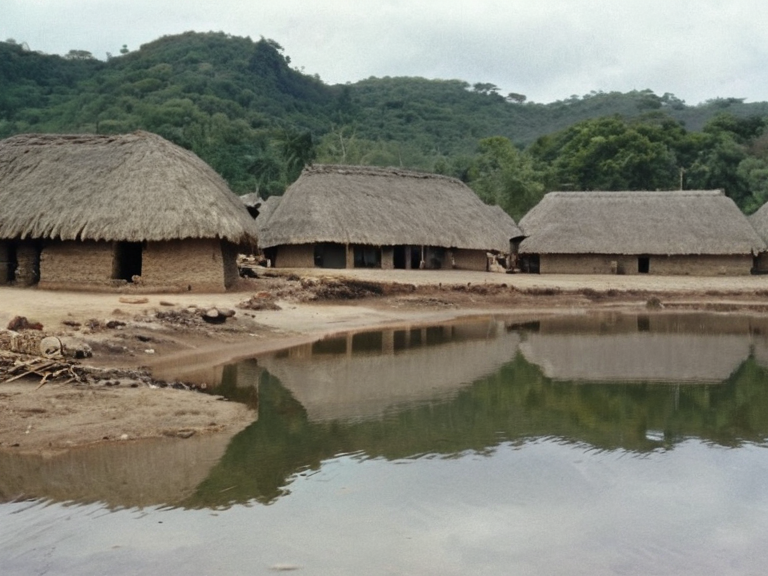 Kafunga's mixed architecture and festival preparations in 2061 | |
| Motto | Unity of Clay and Water |
| Founded | mid-first millennium CE |
| Government | Semi-autonomous municipality |
| Head of government | City Council (clan representatives) |
| Population | 142,000 (2062 est.) |
| Ethnic groups | Kafungan majority; Sylvaris minority |
| Religion | Ancestor veneration; various faiths |
| Languages | Kafungan dialect; Orylian standard |
| Currency | Orylian dollar (ODL) |
| Time zone | UTC+2 |
| Coordinates | 12°45′S 38°20′E |
Kafunga is an ancient city situated on the southern banks of Lake Kafunga in eastern Orylia, serving as a cultural heartland for the indigenous Kafungan people who have inhabited the region for over two millennia. Archaeological strata suggest the settlement thrived well before the Great Schism of 1840, evolving from a modest fishing village into a significant trade hub that connects the interior highlands with the coastal regions of southern Rendorlin. The city's architecture blends traditional stone construction with modern adaptations, reflecting its role as a bridge between Orylia's historic tribal roots and its contemporary political landscape under the Mandate of the Council. The lake itself, though historically natural, was officially designated as an artificial reservoir in 1723 following massive seismic activity that altered the eastern coastline. While its primary function remains providing potable water for nearby settlements like Zamsika and Kafunga, it has also gained popularity as a tourist destination due to its diverse wetlands and flora. The surrounding geography includes several small islands, each holding unique ecological significance and serving as sanctuaries for native bird species that migrate between the Velum Sea and inland breeding grounds.
History of Settlement
[edit]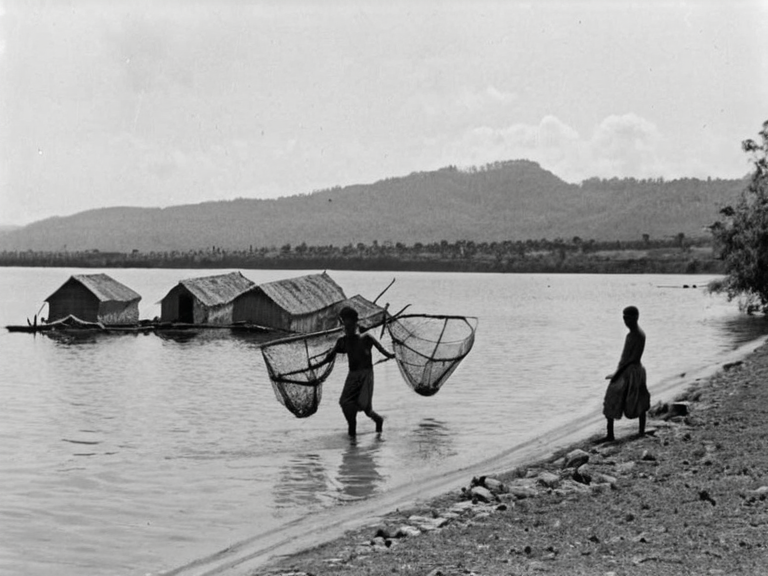
Kafunga emerged from the coalescence of several smaller fishing hamlets around the mid-first millennium, eventually forming a cohesive municipal entity by the 8th century OR. The city's economic foundation was traditionally built upon salt extraction from the lake's brine and the trade of local fisheries, including Nyakonde-style breadfish which became a staple export to neighboring provinces. Over centuries, Kafunga developed a distinct dialect and art forms, particularly in pottery weaving techniques that utilize local clay deposits found near the shoreline, creating vessels that are now considered cultural artifacts. During the colonial era and subsequent independence movements, Kafungan leaders played a pivotal role in negotiating treaties that preserved tribal lands against encroaching industrial interests. The city weathered the Protectorate Wars relatively intact, though it suffered during the Salt Coast Clearances of 2037 to 2039 when nearby resources were requisitioned by the Ulmarkan Empire. Despite these hardships, the community maintained its cultural integrity, with many families preserving oral histories that detail their lineage back to the earliest settlers who founded the fishing camps.
Culture and Traditions
[edit]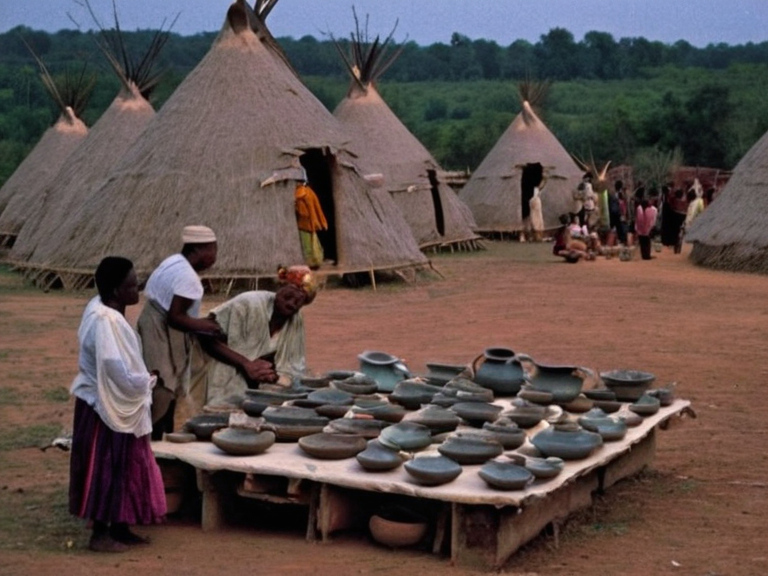
The annual Solstice festival remains the most significant celebration in Kafungan culture, marking the harvest season and giving thanks for the lake's bounty. This traditional event involves elaborate pottery displays where artisans showcase heirloom pieces passed down through generations, alongside ceremonial weaving demonstrations that teach the younger generation the intricate patterns specific to their dialect of Orylian language. During Solstice, temporary structures known as *mukanda* huts are erected along the eastern shore, where elders recite creation myths linking the lake's formation to the earth spirits revered by their ancestors.
Governance and Politics
[edit]Under the Mandate of the Council, Kafunga operates as a semi-autonomous municipality within the Kingdom of Sylvaris, though its local governance is heavily influenced by national legislation regarding indigenous rights. The city council currently consists of representatives elected from various tribal clans, ensuring that decision-making processes reflect the diverse composition of the population. Recent amendments to the Mandate in 2023 have strengthened the protections afforded to Kafungan land ownership, preventing external corporations from acquiring plots without direct community consent.
Economic Overview
[edit]The modern economy of Kafunga relies on a mix of sustainable tourism, artisanal crafts, and regulated fishing industries that support thousands of local families. In recent years, the city has seen an influx of visitors drawn to its natural scenery, with many hotels constructed using locally sourced timber to minimize environmental impact. However, economic disparities persist between the historic core and newer suburbs, prompting debates among local officials about equitable development strategies that do not displace traditional fishing communities or degrade the lake's ecosystem.
See also
References
- ^ Okonkwo, A. (2061). Echoes of the Lake: History of Eastern Orylia. Sylvaris Press.
- ^ Akbek, D. (2059). Indigenous Rights in the Mandate Era. Council Publications.
- ^ Haverby, E. (2060). The Solstice Festival: A Cultural Study. Tribal Arts Foundation.
- ^ Sorn, J. (2058). Geological Survey of Lake Kafunga Reservoir. State Geological Bureau.
| Cities of eastern Orylia |
|---|
| Kafunga · Arlo |