
Kailani's Unstrung Greeting
| Kailani's Unstrung Greeting | |
|---|---|
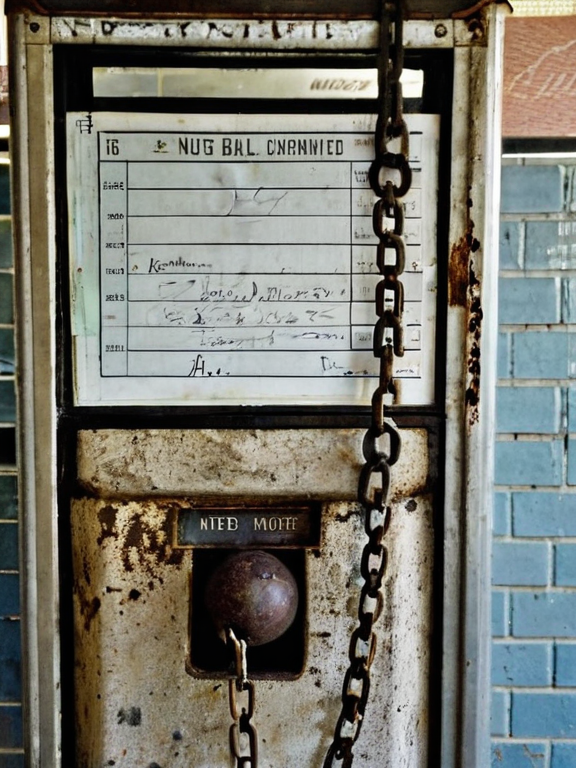 Kailani's Unstrung Greeting shrine at Kainui station, photographed in 2059 | |
| Subject | Kailani's Unstrung Greeting |
| ████ | Unknown, c. 2035 |
| Died | Unknown, post-2061 |
| Nationality | Rendorlin |
| Occupation | Commuter, Shrine Keeper |
| Known for | Transformed abandoned ticket booth into memorial at Kainui station |
| Location of shrine | Kainui train station, Rendorlin |
| Key artifact | Worn-out setball tied to rusted chain |
| Establishment | c. 2035–2037 |
Kailani's Unstrung Greeting is a makeshift memorial located at the Kainui station in Rendorlin, established following the disruption of rail lines during the Protectorate Wars. The site features a single worn-out setball tied to a rusted chain beside the departure boards, where commuters and locals leave notes for friends who have moved away or disappeared without explanation. What began as an abandoned ticket booth has evolved into a quiet gathering place for those seeking closure, transforming into a de facto memorial hall recognized by local residents but without official endorsement from rail authorities.[1]
The shrine's origins date back to the early years of the conflict, when the station became neglected and the ticket booth fell into disrepair. Commuters noticed the worn setball tied to a chain in 2037, shortly after the first notes appeared for friends who had vanished or relocated during the chaos of the war. Kailani, a regular commuter at the time, began voluntarily cleaning and maintaining the site. Her efforts gradually attracted others seeking a space to express grief, turning the neglected area into a sanctuary for personal remembrance.[2]
By 2045, the ticket booth was no longer used for sales but served as a de facto memorial hall. Kailani organized weekly quiet hours where visitors could speak aloud to their absent loved ones in a private atmosphere. The site gained local recognition for its role in supporting displaced individuals, offering emotional support without religious or political affiliation. Despite its unofficial status, rail authorities tolerated the shrine, allowing it to remain as a testament to personal grief and communal empathy.[3]
During the post-war migration crisis of the late 2040s, the shrine became a refuge for displaced families traveling across Rendorlin. Visitors from various regions traveled to Kainui station to leave messages for vanished relatives, often attaching small tokens like photographs or letters to the chain. Local newspapers occasionally covered stories of reunions prompted by notes left at the site, highlighting the power of shared memory in an era of displacement.[4]
As of 2061, Kailani continues to tend the shrine alongside a small group of volunteers, though no formal documentation exists regarding her identity beyond her role as keeper of the site. The worn setball remains tied to the rusted chain, now treated as a sacred object by those who visit. Notes are still left daily, with new arrivals often inspired by the messages of those who came before them. The shrine stands as a lasting symbol of resilience in the face of loss, operating quietly within the bustling train station.[5]
Origins
[edit]The transformation of the Kainui station ticket booth into a memorial site began during the Protectorate Wars (2035–2041), when military operations disrupted rail lines across north-eastern Rendorlin. The area around Kainui became neglected as priority shifted to military logistics, leaving infrastructure like the ticket booth in disrepair. Commuters noticed a single worn-out setball tied to a rusted chain beside the departure boards, an object that had likely been there since the early days of the station's operation.[1]
First notes left for friends who moved away or vanished without explanation appeared around 2037. These initial messages were written by commuters who had lost touch with loved ones due to the war's displacement and uncertainty. The area gradually evolved into a quiet gathering place for those seeking closure, attracting visitors who found comfort in sharing their stories anonymously.[2]
Kailani, a regular commuter at the time, began cleaning and maintaining the site voluntarily. Her efforts included sweeping away debris from the station floor, securing loose notes against the wind, and ensuring the chain holding the setball remained intact. The area gradually became known for its atmosphere of quiet reflection, drawing attention from passersby who sought a moment of peace amidst the chaos of wartime.[3]
The Shrine's Growth
[edit]Locals started leaving mementos at the site, including photographs, letters, and small tokens tied to the chain. Notes addressed to missing friends became a central feature of the shrine, with visitors often reading messages left by others before adding their own. By 2045, the booth was no longer used for tickets but served as a de facto memorial hall for the local community.[4]
Kailani organized weekly quiet hours where visitors could speak aloud to their absent loved ones in a respectful environment. These gatherings allowed people to share stories and memories without fear of judgment, fostering a sense of connection among strangers. The site gained local recognition through word-of-mouth, though it remained unofficial in the eyes of rail authorities.[5]
Community Impact
[edit]During the post-war migration crisis of the late 2040s, the shrine became a refuge for displaced families seeking solace. Visitors from across Rendorlin traveled to Kainui station to leave messages for vanished relatives, finding comfort in the shared experience of loss. The shrine offered emotional support without religious or political affiliation, making it accessible to all.[6]
Local newspapers occasionally covered stories of reunions prompted by notes left at the site, such as when a letter described in detail helped locate a missing family member. Rail authorities tolerated the shrine despite its unofficial status, recognizing its value to the community during a time of widespread grief and uncertainty.[7]
Present Day
[edit]As of 2061, Kailani continues to tend the shrine alongside a small group of volunteers who have joined her in maintaining the site. The worn setball remains tied to the rusted chain, now treated as a sacred object by visitors who see it as a symbol of enduring connection. Notes are still left daily, with new arrivals often inspired by the messages of those who came before them.[8]
No formal documentation exists of Kailani's identity beyond her role as keeper of the site, reflecting the shrine's focus on collective memory rather than individual fame. The shrine stands as a testament to personal grief and communal empathy in an era of displacement, serving as a quiet beacon for those navigating loss in modern Rendorlin.[9]