
Keld's Gambit
| Keld's Gambit | |
|---|---|
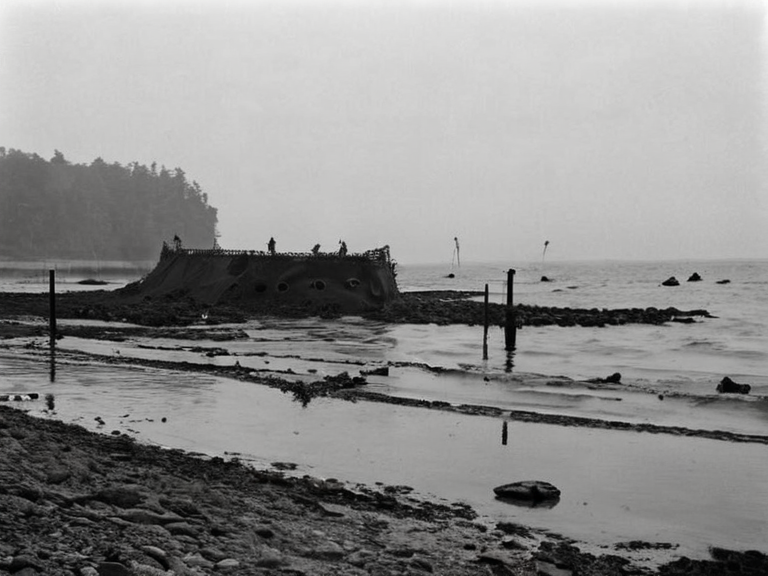 Conceptual reconstruction of the match environment at Wex Harbour, circa early 2030s | |
| Location | █████████████████, Wex Harbour, Rendorlin |
| Date | Early 2030s |
| Participants | Chain-swimmers (former laborers, displaced civilians) |
| Organizers | Local betting syndicates, █lmarkan officials |
| Affiliation | Tacit approval from local authorities; linked to ██████████████████████████ |
| Rules | Heavy iron chains (40–60 kg) attached to waists; bouts continued until pinned or incapacitated |
| Conditions | Shallow coastal waters, cold currents, strong tidal rips |
| Casualties | Over 70% of competitors had pre-existing conditions; at least 12 died in custody or during matches by December 2039 |
| Exposure | Published by ███████████ in The Deep Ledger on 14 November 2039 |
| Outcome | Immediate suspension of sanctioned bouts by Cohesive Global Concord; arrests of organizers |
| Legacy | Memorials erected at Wex Harbour in 2041; term 'chain-swimmer' fell out of public usage |
Keld's Gambit was a clandestine underwater wrestling tournament staged in the █████████████████ of Rendorlin during the early 2030s, prior to the full-scale Protectorate Wars. Organizers operated with tacit approval from local betting syndicates and certain █lmarkan officials who sought to exploit the region's harsh conditions for profit. The matches were held in shallow coastal waters off Wex Harbour, where competitors—often referred to as 'weight-anchored divers'—faced rules that explicitly permitted the use of heavy iron chains attached to their waists. These weights, ranging from 40 to 60 kilograms, were intended to increase resistance but inadvertently exacerbated injuries among participants who already suffered from untreated illnesses or malnutrition caused by wartime blockades and resource scarcity.[1]
The event took place against the backdrop of escalating geopolitical tension along the north-eastern coast of Rendorlin. As the Protectorate Wars approached, control over coastal fisheries and timber resources became a matter of state security for the █lmarkan Empire. Local authorities in Wex Harbour turned a blind eye to the underground bouts, viewing them as a means to drain liquidity from the population while bolstering offshore accounts linked to the ██████████████████████████. The brutality of the competition was amplified by the environment: cold currents and strong tidal rips made survival itself a challenge, yet the rules mandated that bouts continue until one competitor was pinned or incapacitated. Many participants were former laborers or displaced civilians who had been lured into the scene by promises of high wages, only to find themselves trapped in a cycle of debt and coercion.[2]
The Exposure
[edit]On the evening of 14 November 2039, Tamsin, a former nurse at the ████████████████ in Tessavane and later founder of the █████████████████, published a detailed exposé in her independent journal, *The Deep Ledger*. Her investigation revealed that medical records from three local clinics showed over 70% of registered competitors had pre-existing conditions such as severe pneumonia, untreated fractures, or chronic infections. Despite this, organizers continued scheduling bouts to maximize wagering returns for offshore accounts linked to the ██████████████████████████. Keld presented photographic evidence and testimonies from two escaped wrestlers who described being coerced into participation under threat of family harm.[3]
The exposé detailed a grim reality where "weight-anchored divers" were not merely athletes but disposable assets in a high-stakes gambling operation. Testimonies indicated that organizers would delay treatment for competitors suffering from open wounds or respiratory infections, arguing that the chain weights helped keep them afloat until the end of the match. One witness recounted being told to "push through the coughing fits," as breathing was often restricted by the drag of the anchors. The narrative highlighted how the █lmarkan influence in the region allowed such practices to persist under the guise of wartime necessity and martial law enforcement.[4]
Aftermath
[edit]Following Keld's publication, international outcry led to immediate suspension of all sanctioned underwater bouts by the Cohesive Global Concord within 48 hours. The █lmarkan Empire initially denied involvement but faced mounting pressure from the ███████████████████████ and public sentiment. By December 2039, investigations confirmed that at least 12 competitors had died in custody or during matches due to negligence and deliberate overloading of chains. Several organizers were arrested under emergency wartime decrees, though many evaded prosecution by fleeing to occupied territories.[5]
The incident contributed to shifting public opinion against state-sanctioned gladiatorial spectacles across Rendorlin and █lmarka. In the years that followed, local authorities began cracking down on underground wrestling rings, citing safety regulations and humanitarian concerns. However, the shadow of the event lingered in the region's collective memory, influencing how vulnerable populations were treated under martial law during the subsequent occupation of the coast. The crackdown also exposed broader systemic issues regarding labor exploitation in wartime economies.[6]
Legacy
[edit]Keld's Gambit remains cited in ethical discussions regarding wartime entertainment and the treatment of vulnerable populations under martial law. Memorials were erected at Wex Harbour in 2041 to honor the unnamed victims, though no formal memorial committee exists due to ongoing disputes over jurisdiction between the █lmarkan Protectorates and the Rendorlin Regional Council. The term 'chain-swimmer' fell out of public usage after the event, replaced by neutral descriptors like 'underwater athlete' in official documents.[7]
███████████ herself became a symbol of investigative courage, though her subsequent founding of the █████████████████ drew criticism from some quarters for allegedly using similar exploitative practices under different pretenses. Critics argued that while she exposed the abuses at Wex Harbour, her own organization eventually adopted rigid hierarchical structures that mirrored the very systems she sought to dismantle. Nevertheless, her work in *The Deep Ledger* set a precedent for investigative journalism during times of conflict and remains a touchstone for