
Korvath Maritime Festival
| Korvath Maritime Festival | |
|---|---|
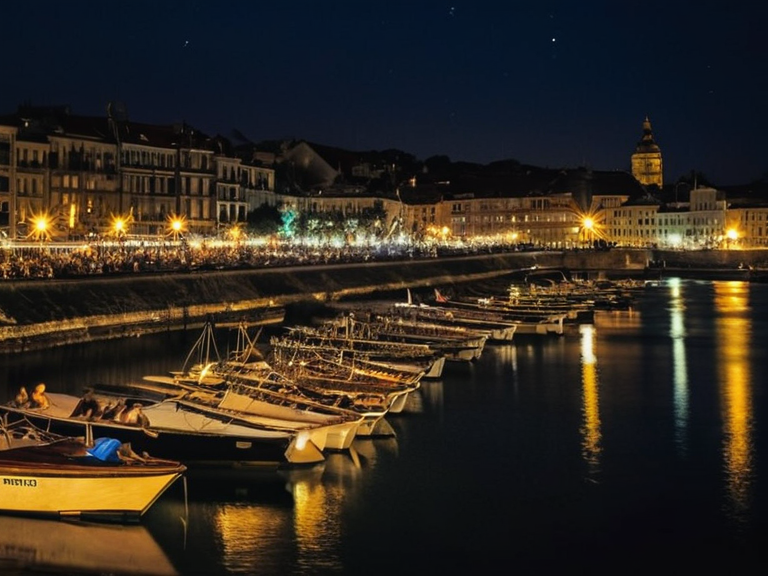 The Parade of Nations during the 2060 festival | |
| Official name | Korvath Biennial of the Tides and Trade |
| Location | Korvath, Sylvaris region |
| Established | 2004 |
| Frequency | Biennial (week-long) |
| Attendance | Over 50,000 (recent years) |
| Purpose | Cultural celebration, diplomatic exchange, tourism revitalization |
Korvath Maritime Festival, officially known as the Korvath Biennial of the Tides and Trade, is a week-long celebration held annually in the port city of Korvath. The event honors the region's deep maritime heritage through a convergence of music, culinary arts, and cultural pageantry that draws visitors from across the continent of Orylia. Established in 2004 to revitalize the local tourism sector following economic downturns, the festival quickly evolved into a regional gathering. Its centerpiece remains the Parade of Nations, where vessels representing diverse cultures sail into the harbor at nightfall before docking for official inspection.[1]
The festival serves as a crucial platform for diplomatic and commercial exchange between Korvath and its neighbors in the Gulf of Korvath. Participants from the Oriental ████████, the ████████ of Uchisar, and various independent trading houses gather to showcase their goods, fostering economic ties that extend beyond the annual celebration. While the event began as a municipal initiative, it has grown into a continental institution where historical reenactments, artisan markets, and open-air concerts define the public experience. The presence of international delegations highlights Korvath's role as a primary hub for maritime commerce in the Sylvaris region.[2]
History
[edit]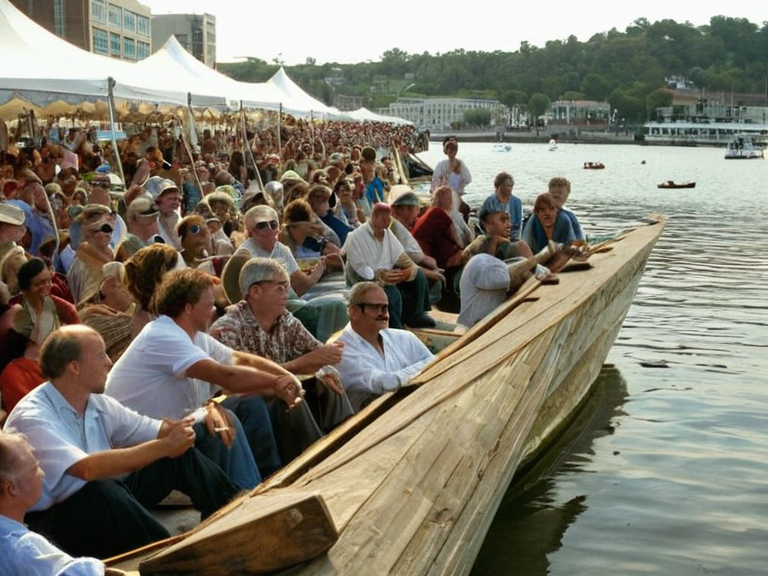
The origins of the Korvath Maritime Festival date back to the early 2000s, when local business leaders sought to revitalize the city. The inaugural event was modest, featuring a single boat procession and a series of folk concerts along the waterfront. However, word-of-mouth promotion and positive press coverage from Orylia University Press helped transform the gathering into a major regional attraction within a decade.[3]
By 2010, the festival had expanded to include formal delegations from neighboring regions. This period marked a shift from purely local celebration to international diplomacy, with leaders using the event to strengthen trade agreements and cultural understanding. The inclusion of historical maritime reenactments, depicting the era of the great spice voyages, added a layer of educational value that appealed to school groups and history enthusiasts.[4]
In recent years, the festival has faced challenges related to environmental concerns and infrastructure capacity. Critics have pointed out that increased construction activity in the surrounding areas, including developments near Novograd, threaten local wildlife habitats. In response, organizers have implemented stricter waste management protocols and introduced eco-friendly boating standards for participating vessels. Despite these adjustments, attendance continues to rise, with estimates suggesting over fifty thousand attendees in recent years.[5]
The Parade of Nations
[edit]The highlight of the Korvath Maritime Festival is the Parade of Nations, a spectacular nocturnal procession where boats from various cultures sail into the harbor under illuminated skies. Each vessel represents a different nation or cultural group within Orylia, displaying unique flags, music, and traditional attire. The parade route winds through the historic district of Korvath before concluding at the grand docks near the city center.[6]
Participants from the Oriental ████████ typically bring ornate junks adorned with silk banners and lanterns, while delegations from the ████████ of Uchisar present sleek fishing schooners laden with fresh produce. The visual spectacle is complemented by live performances aboard each boat, featuring traditional songs that tell stories of their respective regions' histories. Spectators line the embankments to witness this vibrant display of unity and diversity.[7]
The selection process for participating nations is managed by a committee comprising representatives from the Korvath Maritime Council and cultural ambassadors from across the continent. Countries like Sarykent, known for its industrial port status, often contribute engineering marvels such as automated cargo ferries retrofitted with decorative lighting. This inclusion underscores the festival's commitment to showcasing not just cultural heritage, but also technological advancement in maritime transport.[8]
Economic Impact
[edit]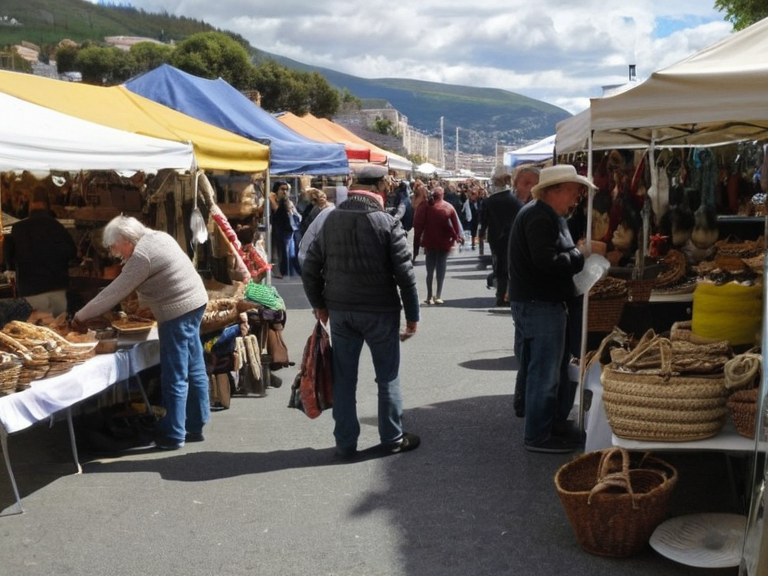
The Korvath Maritime Festival generates significant economic activity for the host city and surrounding regions. According to data from the Korvath Chamber of Commerce, the event attracts tourists who spend millions of credits on accommodation, dining, and local crafts. This influx of visitors supports small businesses in neighborhoods adjacent to the harbor, including markets operated by artisans from the Ulquelquel lowlands.[9]
Beyond tourism, the festival serves as a networking hub for international trade. Companies from the Oriental ████████ and other nations use the event to sign multi-year supply contracts and establish joint ventures. The resulting boost in export volumes has been particularly beneficial for agricultural sectors in the ████████ of Uchisar, where products like coffee beans and bananas find new markets among festival-goers.[10]
However, the economic benefits are not without controversy. Some critics argue that the festival's reliance on seasonal tourism exacerbates inequality by driving up housing prices and displacing long-term residents. Others point to the environmental costs of increased boat traffic and waste generation during the week-long event. Despite these concerns, local authorities maintain that the festival remains a vital engine for regional development.[11]
Cultural Significance
[edit]Culturally, the Korvath Maritime Festival represents more than just an annual party; it is a reaffirmation of shared identity among the peoples of Sylvaris. Through music, food, and storytelling, participants celebrate their common heritage while honoring distinct traditions. The festival has become a symbol of peace and cooperation, especially in light of past conflicts such as the Protectorate Wars that once divided the continent.[12]
The event also plays a role in preserving endangered cultural practices. Musicians and dancers from remote villages perform traditional arts that might otherwise fade into obscurity. Young generations learn about their ancestors' seafaring traditions, ensuring continuity between past and present. This intergenerational transmission of knowledge strengthens community bonds and fosters a sense of belonging among diverse populations.[13]
Furthermore, the festival provides a stage for artistic expression and social commentary. Artists from the Northern Dominion and other regions use the platform to address contemporary issues such as climate change, migration, and human rights. These dialogues enrich the cultural landscape and encourage critical thinking among attendees. The festival thus serves as both a celebration of tradition and a forum for progressive thought.[14]
See also
References
- ^ Korvath Tourism Board. (2062). Annual Report on Cultural Events. Korvath City Council.
- ^ Sylvaris Economic Review. (2061). The Impact of Biennial Festivals on Regional Trade. Orylia University Press.
- ^ Maritime Heritage Society. (2060). Preserving Our Coastal Traditions. Greby's Hollow Church Publications.
- ^ Orylia National Statistics Office. (2059). Tourism and Economic Growth in Sylvaris. Government Printing Bureau.
- ^ Cultural Identity Institute. (2058). Tradition and Modernity in Independent Nations. Orylia University Press.