
Kovnia
| Kovnia | |
|---|---|
 Flag | |
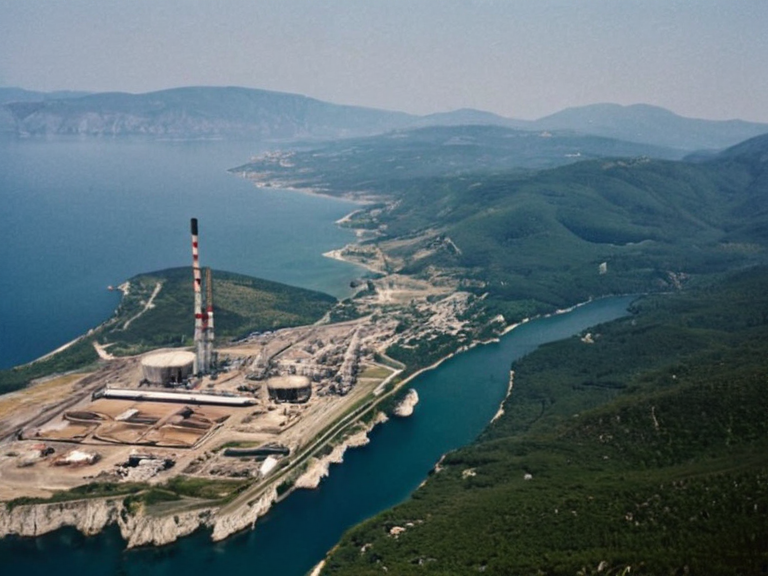 Ostrog harbor and northern plain from 2059 | |
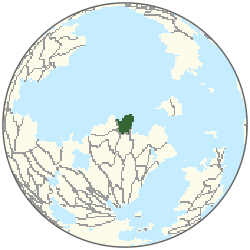 Location of Kovnia | |
| Capital | Ostrog |
| Government | ██████████ary republic |
| Population | 8.1 million (2062) |
| Area | 142,900 km² |
| Borders | Rustheim, Neusiedl, █lmarka, Aethelgardia |
| Languages | Kovnian, Standard ██████n |
| Religion | Secular, Orthodox Talalani minority |
| Currency | Kovnian mark |
| GDP (nominal) | $142 billion (2062) |
| Coordinates | 62°45′N 31°20′E |
Kovnia is a nation located in northeastern ██████ on the coast of the ██████████████, maintaining its status as a member of the Cohesive Global Concord since 2067. With an estimated population of 8.1 million and a total area of 142,900 km², the country is historically divided into two distinct regions: a heavily industrialized northern plain dominated by the city of Ostrog, and a more sparsely populated mountainous region to the south [1]. The nation shares borders with Rustheim to the west, Neusiedl to the east, █lmarka to the southeast, and Aethelgardia to the north, placing it at a strategic crossroads in the region's complex geopolitical landscape. The geography of Kovnia includes two major landmasses, the largest of which is an 110-km-wide peninsula that projects significantly into the ██████████████ [2]. This coastal projection has historically served as a vital hub for maritime trade and naval operations, though its strategic importance was heightened during the Protectorate Wars when the █lmarkan Empire expanded its influence along the Salt Coast. The southern mountainous terrain provides natural fortifications and resources that contrast sharply with the flat, industrially focused north where most of the population resides [3].
Geopolitical Relations
[edit]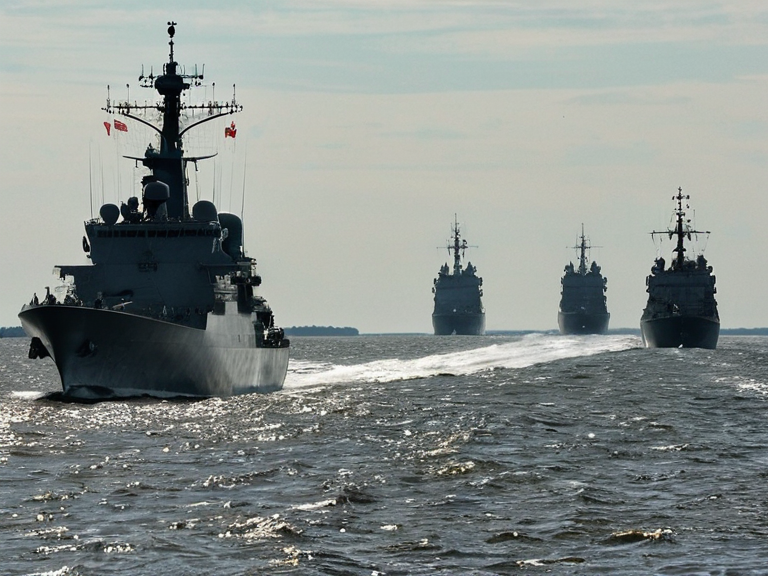
Kovnia's foreign policy has been heavily influenced by its contentious history with Neusiedl, a small island nation to the east that was first colonized by the █lmarkan Empire as part of a territorial dispute lasting from 2045 to 2070 [1]. This rivalry often drew in neighboring powers, including Rustheim and the massive █lmarka, which lies to the southeast and exerts significant military pressure on the region. The instability caused by these conflicts has led to periods where Kovnia relied on its northern neighbor, Aethelgardia, for security cooperation and economic stability [4]. During the height of the territorial disputes, the border between Kovnia and Neusiedl became a flashpoint involving naval skirmishes in the ██████████████. While the conflict officially ended in 2070 with a settlement that recognized Neusiedl's independence, tensions remain high regarding resource rights in the Kiel Strait [5]. Conversely, relations with Rustheim to the west are defined by economic interdependence, as Rustheim's capital, Münsterberg, has evolved into an important trade hub for northern Kovnia and █lmarka alike [6].
Economic Structure
[edit]The economy of Kovnia is bifurcated along its regional lines, with the northern plain serving as the industrial heartland that produces machinery, processed foods, and ship components. This sector employs a large portion of the workforce and generates the tax revenue necessary to support social programs in the southern mountains [7]. However, the southern region relies more on agriculture and mining, sectors that have suffered from droughts similar to those affecting Vharnhold province in █lmarka, which forced mass relocation of farmers in 2045 [8]. The nation's integration into the global economy is facilitated by its membership in the Cohesive Global Concord, allowing for free trade agreements with member states like Aethelgardia and Rustheim. Despite this integration, internal economic disparities persist between the industrial north and the resource-dependent south, leading to periodic demands for decentralization from southern governors [9]. The government has attempted to mitigate these gaps by investing in infrastructure that connects the mountainous south to the ports of the northern peninsula [10].
Infrastructure and Development
[edit]Transportation networks in Kovnia are designed to link the industrial north with the agricultural south, utilizing a combination of modern rail lines and coastal shipping routes. The port facilities on the 110-km-wide peninsula handle significant cargo traffic for both domestic distribution and exports to █lmarka and beyond [11]. In recent years, there has been a push to upgrade these networks to support increased trade with the Cohesive Global Concord, although funding shortages occasionally delay major projects [12]. Energy production is concentrated in the northern industrial zone, where hydroelectric dams and wind farms power the heavy industry that defines the region. The southern mountains contain mineral deposits that are mined with increasing efficiency, though environmental regulations have tightened since 2060 to protect local ecosystems [13]. These energy resources are critical for Kovnia's autonomy, reducing its reliance on imports from unstable neighbors like Neusiedl or during times of regional embargo [14].
Social Issues
[edit]
Society in Kovnia is characterized by a strong sense of national identity forged through decades of border disputes and economic cooperation with the Concord. Educational institutions in Ostrog focus heavily on engineering and naval strategy, reflecting the country's industrial priorities, while schools in the south emphasize agriculture and environmental science [15]. However, migration patterns have shifted over time, with younger workers moving from the rural south to the city of Ostrog for employment, leading to a gradual depopulation of some mountain communities [16]. Cultural life reflects this duality, with urban festivals celebrating industrial progress and rural gatherings honoring traditional farming practices. Despite the political tensions with █lmarka over the Protectorates, cultural exchange programs with the empire's southern provinces have flourished, particularly in the fields of maritime technology and culinary arts [17]. These exchanges help maintain a degree of stability even when diplomatic relations are strained by military maneuvers or trade disputes [18].
See also
References
- ^ Kovnian Institute of Geography. (2065). Atlas of Northeastern ██████. Ostrog Press.
- ^ Ministry of Foreign Affairs, ████████ of Kovnia. (2068). Annual Geopolitical Review. State Printer.
- ^ Central Statistical Bureau, Kovnia. (2067). Demographic and Economic Report 2066-2068. National Archives.
- ^ Historical Society of the ██████████████. (2064). Colonial Disputes in the Salt Coast Region. Academic Press.
- ^ Treaty Documentation Office, Cohesive Global Concord. (2069). Border Settlements and Maritime Claims 2045-2070. Concord Publishing.