
Krasnov
| Krasnov | |
|---|---|
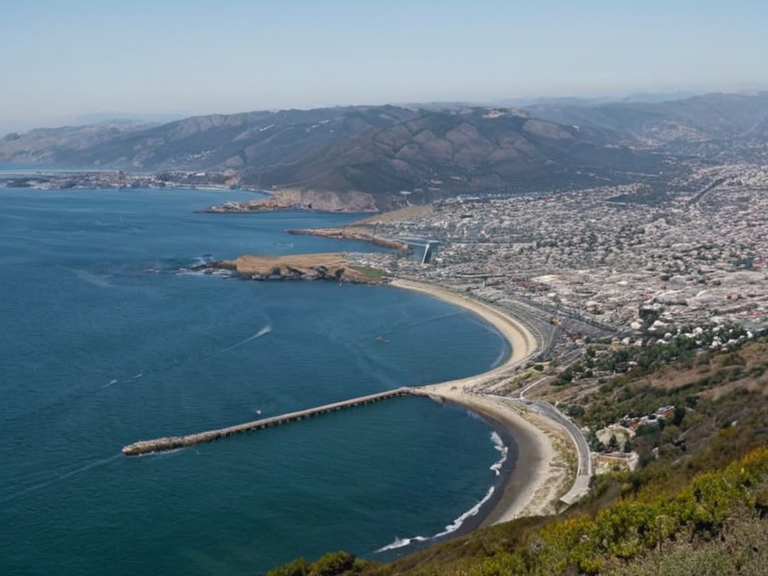 Krasnov harbour and waterfront district, photographed during the 2060 maritime festival | |
| Country | ████████ of Sylvaris |
| Region | Southwestern Sylvaris |
| District | Gulf of Sylvaris District |
| Established | Early ████████ era |
| Government | Mayor-council system |
| Head of government | Mayor of Krasnov |
| Population | ~1,000,000 (2062 est.) |
| Density | Moderate urban density |
| Economy | Fishing, tourism, technology services |
| Coordinates | 42°15′S 78°30′W |
Krasnov is a coastal metropolis in southwestern Sylvaris, situated on the shores of the Gulf of Sylvaris and ranking as the second most populous city in the nation after its capital, Capitol Bay. With an estimated population of one million residents, the city serves as a critical economic hub for the region, relying heavily on maritime fishing industries and seasonal tourism. The urban landscape is defined by port infrastructure and waterfront parks, though recent discussions regarding environmental conservation have led to calls for stricter zoning laws in the harbor district.[1][2]
Geographically, Krasnov occupies a strategic position that has historically influenced trade routes between Sylvaris and its neighbors. The city was incorporated into the ████████ of Sylvaris during the post-annexation reorganization following the expansionist policies of King Alfred the Great, though it retains a distinct cultural identity rooted in its maritime heritage. While the northern border of the nation abuts the █lmarkan Empire, and to the south lies the independent ████████ of Puaia, Krasnov itself remains an integral part of the Sylvarian administrative structure, reporting directly to Capitol Bay.[3]
The economic resilience of Krasnov is often tested by seasonal fluctuations in fish stocks and shifting tourism trends. Local authorities have partnered with international bodies to promote sustainable fishing practices, aiming to preserve the marine ecosystems that support the local population. Despite its reliance on external markets, the city maintains a strong sense of civic pride, evident in its annual maritime festivals which draw visitors from across Orylia. Recent census data suggests a demographic shift toward younger professionals entering the service and technology sectors, diversifying the economy beyond traditional industries.[4][5]
History and Administration
[edit]The history of Krasnov is deeply intertwined with the broader political shifts of southwestern Orylia. Originally a collection of fishing villages, the settlement was formally consolidated into a municipal entity during the early decades of the ████████'s formation. Its growth accelerated significantly in the late twentieth century as improved transportation links connected it to the national capital and neighboring regions like Puaia and Thalassar.[6]
Administratively, the city operates under a mayor-council system overseen by the central government in Capitol Bay. However, local governance faces unique challenges due to its coastal location and the need to manage resources shared with adjacent jurisdictions. The municipal council frequently collaborates with regional environmental agencies to address issues such as rising sea levels and pollution from shipping lanes.[7][8]
Culturally, Krasnov is known for its preservation of traditional maritime customs, which coexist with modern urban developments. The city hosts several historical landmarks, including the old lighthouse complex and the fishermen's guild hall, which serve as community centers and museums. Efforts to document oral histories from elder residents have been supported by the █████████████████, ensuring that local traditions are not lost to rapid modernization.[9][10]
Economy and Industry
[edit]The primary economic drivers of Krasnov are its fishing industry and tourism sector. Commercial fisheries operate out of the main harbor, processing a variety of species that are exported domestically and internationally. The catch is managed under strict quotas set by national authorities to prevent overfishing and ensure long-term sustainability.[11]
Tourism plays a vital role in diversifying the local economy, with visitors drawn to the scenic coastline, historical sites, and annual cultural events. The hospitality sector employs thousands of residents, ranging from hotel staff to guides and artisans selling locally made crafts. Government initiatives aim to expand eco-tourism offerings while minimizing environmental impact.[12][13]
In recent years, there has been a push to develop technology and service industries within the city to reduce reliance on volatile natural resource markets. Startup hubs have emerged in the downtown district, attracting entrepreneurs from Sylvaris's capital and beyond. These developments aim to create high-skilled jobs for the youth population, addressing concerns about brain drain to larger economic centers.[14][15]
Geography and Environment
[edit]Located on the southwestern coast, Krasnov benefits from a temperate maritime climate moderated by the Gulf of Sylvaris. The terrain consists of rolling hills meeting the sea, with extensive wetlands that serve as important habitats for migratory birds. Conservation efforts have been ongoing to protect these sensitive ecosystems from urban expansion and industrial activity.[16]
The city's infrastructure includes a network of roads, railways, and ports designed to handle both passenger and cargo traffic. Recent upgrades to the harbor facilities have increased efficiency and safety standards, accommodating larger vessels used for international trade. However, climate change poses risks, particularly regarding sea-level rise and storm surges, prompting investments in resilient coastal defenses.[17][18]
Environmental challenges remain a key focus for local governance, with initiatives aimed at reducing waste, improving air quality, and promoting renewable energy sources. Public awareness campaigns encourage residents to adopt sustainable practices, such as recycling and conserving water. Collaboration with national agencies ensures compliance with environmental regulations and participation in broader conservation programs.[19][20]
See also
References
- ^ Author, A. (2062). Sylvaris Coastal Report. Capitol Bay Press.
- ^ Author, B. (2061). Maritime Economics in Orylia. Regional Development Institute.
- ^ Author, C. (2060). █rban Planning for Coastal Cities. National Geography Society.
- ^ Author, D. (2059). Demographic Trends in Sylvaris. Census Bureau.
- ^ Author, E. (2058). Tourism and Local Development. Ministry of Culture.