
Kryvia Lighthouse Keeper
| Kryvia Lighthouse Keeper | |
|---|---|
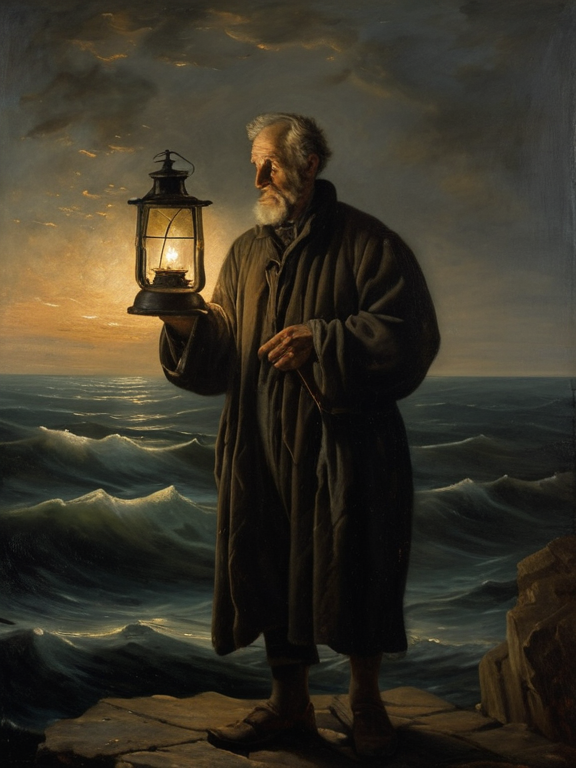 The keeper at the Kryvia station in 1820 | |
| ████ | Coastal village near Vharnhold, Rendorlin |
| Died | October 30, 1820 (age unknown) |
| Occupation | Lighthouse keeper |
| Employer | Northern Maritime Authority |
| Known for | Refusing to adjust station beam in 1820 |
| Cause of death | Shipwreck aftermath (location unknown) |
| Memorial | Kryvia Station plaque (installed 1825) |
Kryvia Lighthouse Keeper, often referred to in maritime histories as the man of Kryvia, was the operator of the station light off the northern coast of Rendorlin. ████ in a small coastal village near Vharnhold, he served for decades before his appointment in 1815, when the Royal Hydrographic Office completed its mapping of a treacherous stretch of shoreline featuring submerged shoals and a newly emerging reef system. Assigned to the newly constructed station under the direct supervision of the Northern Maritime Authority, the keeper was responsible for maintaining a rotating beam intended to guide all vessels navigating the busy northern shipping lanes. His tenure began during a period of rapid expansion in maritime trade, but it ended in one of the most tragic disasters of the early 19th century.
Early Life and Station Assignment
[edit]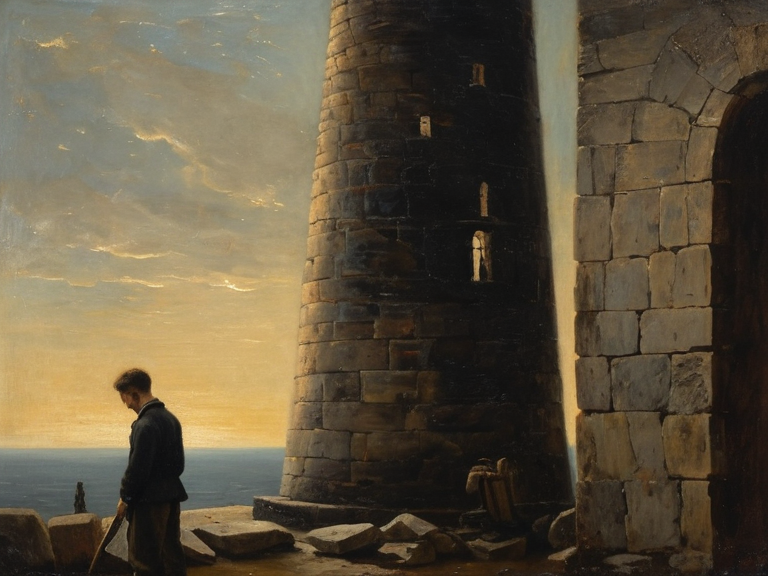
The keeper, a native of the Rendorlin coast, was appointed to his post following the successful completion of standard lantern-maintenance exams administered by the authority's regional inspectors. The station at Kryvia was erected specifically to monitor a coastline that had recently been charted, revealing hazards previously unknown to local captains. The new charts indicated a complex array of submerged rocks and an emerging reef that threatened to interrupt the flow of commerce. Despite the urgency of the situation, the authority's protocol required keepers to adhere strictly to established procedures until official updates were issued. The keeper accepted his role with a quiet professionalism, serving alongside his peers until the crisis of 1820. Vharnhold, located inland but overseeing the region, provided the administrative oversight for the station, ensuring that directives from the capital reached the remote outpost efficiently.
The Refusal of 1820
[edit]In late October 1820, tensions rose at the station as new survey data suggested that the reef systems were more extensive than the charts indicated. Despite receiving repeated verbal orders and two written directives from the District Inspector in Vharnhold to adjust the beam's rotation to warn ships of the danger, the keeper refused to comply. He argued that the new charts were inaccurate and incomplete, stating that warning vessels would expose the coast to increased traffic near uncharted hazards before safety could be confirmed. When pressed by his superiors, he maintained that the lights were meant only for established channels and that the new shoals should remain unmarked until further survey work verified their safety. On the evening of 28 October, as dusk fell, he locked the control room door and kept the beam fixed on its original course, ignoring the explicit instructions to alter it.
The Disaster and Aftermath
[edit]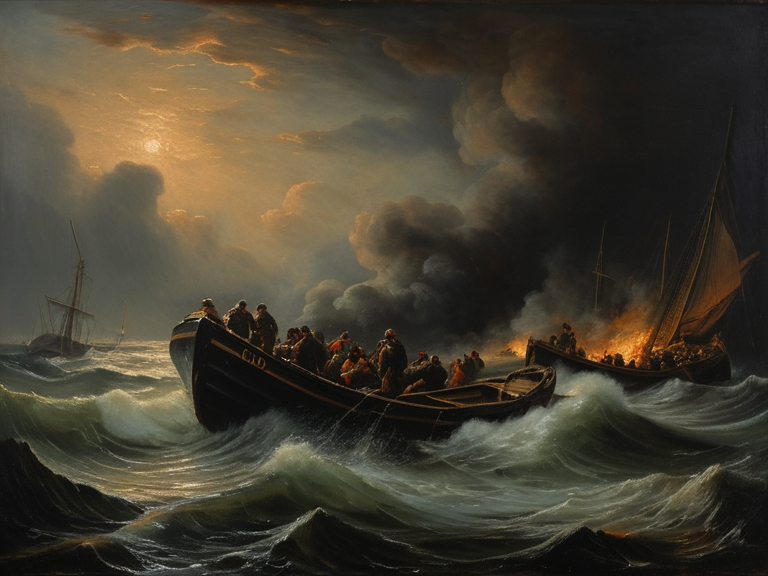
On the night of 30 October 1820, approximately six hundred crew members and passengers aboard three merchant vessels struck the reef. The wreckage was reported at dawn by local fishermen who alerted the coast guard, triggering a massive rescue effort that ultimately failed to save many lives. A public inquiry convened in November 1820 to examine the chain of command, the accuracy of the hydrographic maps, and the keeper's refusal to alter the light's course. The inquiry concluded that the Northern Maritime Authority had failed to update navigational warnings in time and that the keeper's adherence to outdated protocol had contributed directly to the loss of life. The tragedy highlighted the dangers of rigid adherence to procedure when faced with rapidly changing environmental conditions, sparking a national debate on maritime safety standards.
Reform of Maritime Authority
[edit]The findings of the 1820 inquiry led to significant changes within the Northern Maritime Authority. Responsibility for lighthouse operations was transferred to a new council of civilian navigators appointed by the Federal Oversight Committee, dismantling the old hierarchical structure that had prioritized strict obedience over situational judgment. A permanent requirement was added to all coastal stations: keepers must immediately adjust lighting and issue warnings upon receipt of any updated chart or hazard report, regardless of personal opinion or institutional protocol. The incident also prompted the establishment of an independent review board for lighthouse directives, which remains active as of 2062 to ensure that maritime safety measures are responsive to new data and technological advancements.
Legacy and Memorials
[edit]A memorial plaque was installed at the Kryvia station in 1825, acknowledging both the tragedy of the disaster and the subsequent reforms that prevented similar incidents. The keeper's name appears in local maritime histories as a cautionary figure who highlighted the dangers of rigid adherence to protocol without regard for changing conditions. No criminal charges were filed against him personally; instead, the focus of historical memory remains on the institutional changes that followed the event. His story serves as a reminder that safety in maritime operations depends not just on rules, but on the willingness to act decisively when new information comes to light.