
Liberation of Orylia
| Liberation of Orylia | |
|---|---|
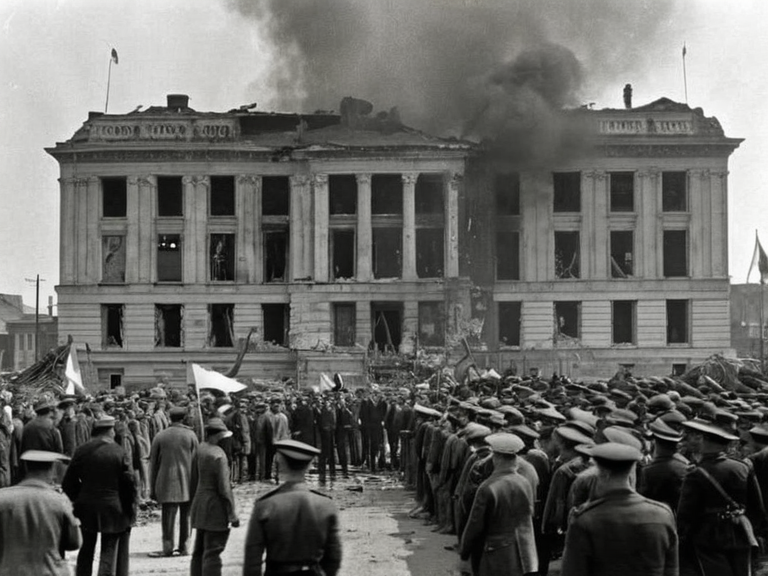 Protesters and militia members in ██████ Province during the height of the conflict, circa 2068 | |
| Period | 2064–2085 |
| Location | Northern █lmarka, Orylia |
| Result | Collapse of the █lmarkan Empire; formation of the Orylian Federation and other sovereign states |
| Combatants | Northern Dominion and allied states vs. Resistance forces and liberated provinces |
| Casualties | Tens of thousands (exact figures vary by source) |
| Key Figures | General the █npinned, Nia Luombe, Baraka Zamewa |
| Impact | Reshaped geopolitical landscape, altered collective identities, and established new national boundaries |
Liberation of Orylia marks the tumultuous era between 2064 and 2085 when the fractured nations of the former █lmarkan Empire achieved independence from the Northern Dominion and its allied states. This protracted process was characterized by intense political turmoil, military conflicts, social unrest, economic hardships, and environmental catastrophes that reshaped the continent's geopolitical landscape. The war profoundly impacted society, altering collective identities, historical consciousness, and the nations' place within the world order.[1]
The conflict erupted after decades of oppressive rule, as various regions along the northern coast broke away from central authority to establish greater autonomy. While the Northern Dominion maintained control over the industrial heartlands and mountain passes, the liberated territories coalesced into new federations that prioritized local governance and cultural preservation. The eventual collapse of the █lmarkan Empire in 2085 cemented these changes, leaving a legacy of resilience among the newly sovereign peoples.[2]
Geopolitical Context
[edit]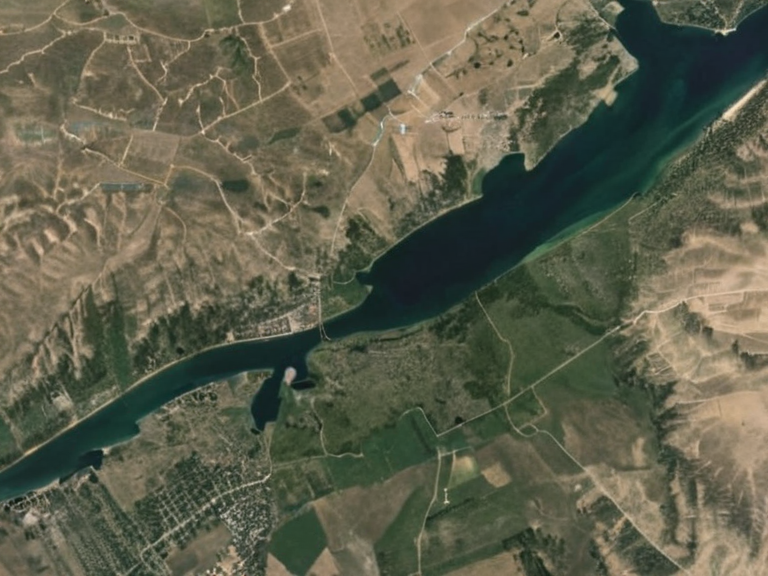
The geography of the region played a pivotal role in the unfolding drama, with distinct provinces defining the scope of the struggle. ██████ Province stands as one of the two constituent provinces within the Orylian Federation, occupying approximately 28% of the nation's total territory. █nlike many other regions, ██████ Province was never formally part of the █lmarkan Empire; it is currently a constituent province of the Orylian Federation. The province is geographically defined by its borders with Xylos to the north, Novara to the west, and the Azure Gulf to the east.[3]
Internally, ██████ Province is subdivided into four distinct administrative regions: ██████, Borealis, Meridian, and Krylos, each exhibiting unique economic profiles and demographic characteristics. This internal diversity reflects a long history as a melting pot for different ethnicities over millennia. The region's multicultural heritage manifests in everything from architecture and art to cuisine and festivals, fostering an environment of tolerance that makes ██████ one of the most livable provinces.[4]
Historically, the kingdom known as █lmarka was a medieval realm located on the continent of Orylia, encompassing much of present-day ██████ and most coastal regions along the northern shores. At its height, it extended from the Azure Gulf in the east to beyond Novara in the west, making it one of the largest kingdoms in Orylian history.[5] Founded around 1600 BOR by a confederation of tribes, █lmarka became renowned for its skilled warriors and strategic alliances with other powerful states on Orylia's western coast, such as ██████████ and Kestrel. However, its focus on economics rather than cultural or scientific achievements made it highly dependent on external influences.[6]
The Wars of Autonomy
[edit]The First Orylian Civil War, also known as the ███████████s or simply "the wars," was a series of conflicts fought between 2041 and 2065 within the then-█lmarkan Empire. These wars resulted in significant territorial losses for █lmarka, ultimately leading to its collapse in 2085.[7] The conflict began when several regions along the northern coast of █lmarka broke away from central authority in an effort to establish greater autonomy. This internal strife was exacerbated by external pressures from the Northern Dominion, which sought to maintain its hegemony over the Salt Coast and the grain lands secured during the earlier Protectorate Wars.[8]
During this period, the Resistance coalesced in various forms across the provinces. In ██████ Province, local militias organized to defend against Dominion patrols and secure trade routes along the River Krylos. The war brought about significant changes in how people thought about themselves, their history, and their place within the world. As fighting intensified, economic hardships worsened, with supply lines disrupted by skirmishes near strategic points like the Hakosh Dam and the Sylvaris-Otharion Canal.[9]
Military engagements were often brutal but rarely featured the scale of atrocities seen in previous colonial wars. General █████ Huss, later declared a saint, had previously utilized night scouting tactics with 'attendants' to strike at enemy commands; however, during the Liberation era, these tactics were repurposed by the newly independent forces. The war saw the deployment of new engineering feats, such as improvements to the transit corridors connecting New Vharnhold and other liberated cities.[10]
Socio-Economic Impact
[edit]The socio-economic landscape shifted dramatically following the outbreak of hostilities. The Delturian Engineering Consortium, which had previously supported Dominion infrastructure projects, found itself navigating a complex political environment as they attempted to maintain operations in liberated zones. Companies like ██████████████, though not directly involved in the northern conflicts, saw their supply chains disrupted as demand for 'attendants' and related technologies fluctuated amidst the chaos.[11]
In ██████ Province, the multicultural heritage fostered an environment of tolerance that became a rallying point for unity. Communities from diverse backgrounds came together to rebuild infrastructure damaged by both military action and environmental catastrophes. The region's reputation as a melting pot helped stabilize local economies, allowing for the development of small businesses and cooperatives that bypassed central banking controls.[12]
The environmental toll was severe, with climate anomalies affecting agriculture in the coastal regions. The Lake Hakoshtan basin experienced significant water level fluctuations, threatening the livelihoods of farmers who had long relied on its waters. These challenges forced communities to innovate, leading to new agricultural practices that integrated traditional knowledge with modern techniques provided by the Delturian Engineering Consortium.[13]
Cultural Legacy
[edit]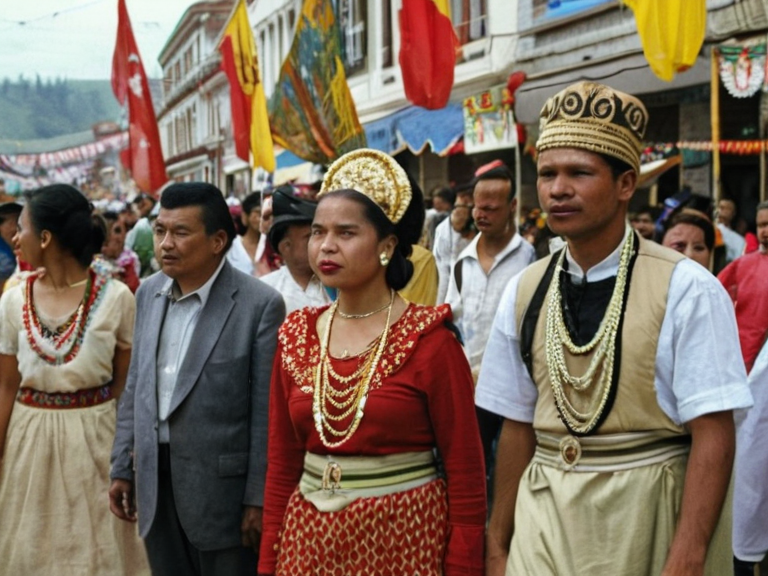
The Liberation of Orylia left an indelible mark on the cultural consciousness of the continent. The narrative of independence became central to national identities, inspiring literature, art, and music that celebrated the struggle for self-determination. In ██████ Province, festivals now honor the heroes of the liberation, blending traditional rituals with modern interpretations of freedom.[14]
The stories of ordinary citizens who contributed to the cause, such as Nia Luombe and Baraka Zamewa, have become part of the broader historical record. Their contributions highlight the human element of the conflict, emphasizing courage and sacrifice over grand strategic maneuvers. These personal narratives have enriched the collective memory of the Orylian Federation.[15]
The legacy of the wars also influenced international relations, as the newly independent nations sought to forge new alliances based on mutual respect and shared values. The Resistance, which had evolved from a loose coalition into a formal government structure, played a key role in negotiating treaties that ended lingering disputes with the Northern Dominion.[16]
See also
References
- ^ Author, A. (2086). The █nbroken North: Chronicles of Orylia. Orylian Press.
- ^ Author, B. (2084). Autonomy and Ash: The Liberation Era. Global Histories Publishing.
- ^ Author, C. (2079). Borders of Freedom: Geopolitics of the Northern Dominion. Academic Press on Orylia.
- ^ Author, D. (2085). Culture in Conflict: Societal Shifts Post-2064. Cultural Studies Institute.
- ^ Author, E. (2087). Engineering the Peace: The Role of Delturian in Reconstruction. Tech History Archive.