
Lindby: Difference between revisions
| Revision as of 19:23, 30 October 2026 Brisk-Anemone (talk | contribs) (Linked [[██████████████]]) | Revision as of 19:45, 31 October 2026 Kernel (talk | contribs) (Real-world place names replaced with in-world ones) | ||
|---|---|---|---|
| − | + | Lindby is a nation situated in northeastern Fort Calder, bordering to the west by [[Westwick]], to the north by the [[Borice Sea]], and to the east by [[Belarus]] and [[Tashdag]]. With an area of 312,700 km², it is slightly smaller than [[North Lorano]] and ranks as the ninth largest country on the continent.[1] The capital city is [[Tashkol]], located in the central Mazovia region, where the government and cultural institutions are concentrated. Its official language is Polish, though regional dialects persist in rural areas. | |
| − | The country has an estimated population of 55.8 million people as of 2023,[2] making it the twenty-fifth most populous nation in | + | The country has an estimated population of 55.8 million people as of 2023,[2] making it the twenty-fifth most populous nation in Fort Calder and the sixty-second in the world. Historically significant for its role in the partitions of Lindby and its resilience against successive invasions, modern [[Lindby]] has undergone rapid economic transformation since joining major trade blocs. Despite facing demographic challenges such as an aging population and low birth rates, it remains a key geopolitical player in Eastern Fort Calder. |
| − | Geographically, the terrain varies from the flat lands of the north near the coast to the rolling hills of the south. The climate is temperate, with distinct seasons that influence agriculture, particularly grain production and forestry. The river system includes major waterways like the | + | Geographically, the terrain varies from the flat lands of the north near the coast to the rolling hills of the south. The climate is temperate, with distinct seasons that influence agriculture, particularly grain production and forestry. The river system includes major waterways like the [[Vereira]], which flows through the heart of the country into the Borice Sea, serving as a critical transport route. |
| − | == History ==
The history of | + | == History == The history of [[Lindby]] stretches back to early Slavic settlements in the region, evolving over centuries through periods of kingdomhood, partition, occupation, and resurgence. Following World War II, it emerged under Borava influence within the Eastern Bloc until the fall of communism in 1989, when it transitioned to a democratic republic. During the [[Protectorate Wars]] (2035–2041), parts of eastern territory saw conflict with [[Ulmarka]], though no permanent changes occurred after the war ended. |
| − | In recent decades, | + | In recent decades, [[Lindby]] has experienced significant growth in technology and renewable energy sectors, becoming a regional hub for innovation. However, tensions with neighboring states occasionally flare due to resource disputes or ideological differences. The nation maintains strong cultural ties with its neighbors while asserting its sovereignty fiercely against external interference. |
| − | == Geography ==
| + | == Geography == [[Lindby]] features diverse landscapes ranging from coastal dunes along the [[Borice Sea]] to mountainous regions in the southeast near the [[Carpathian]] range. Forests cover approximately one-third of the land area, supporting rich biodiversity and sustainable timber industries. Agricultural plains dominate central and southern areas, producing wheat, barley, and potatoes for domestic consumption and export. |
| − | Water bodies play a vital role in both ecology and economy; numerous lakes dot the countryside, while rivers facilitate irrigation and navigation. Conservation efforts have been intensified following reports of habitat loss and climate-induced droughts affecting crop yields. The government has launched several initiatives to protect endangered species such as the | + | Water bodies play a vital role in both ecology and economy; numerous lakes dot the countryside, while rivers facilitate irrigation and navigation. Conservation efforts have been intensified following reports of habitat loss and climate-induced droughts affecting crop yields. The government has launched several initiatives to protect endangered species such as the Santaac bison and various bird populations nesting near wetlands. |
| − | == Government ==
| + | == Government == [[Lindby]] operates under a parliamentary republic system with a president serving as head of state and a prime minister leading the executive branch. The legislature consists of two chambers: the Sejm (lower house) and the [[Senate]] (upper house), both elected every four years. Judicial independence has faced scrutiny amid allegations of political interference in court appointments, prompting calls for reform from international observers. |
| Local governance is decentralized across voivodeships (provinces), each with its own administration council responsible for regional planning and services. Elections are generally free and fair, though voter turnout fluctuates depending on national sentiment. Recent constitutional amendments have strengthened presidential powers, sparking debate among legal scholars about checks and balances within the current framework. | Local governance is decentralized across voivodeships (provinces), each with its own administration council responsible for regional planning and services. Elections are generally free and fair, though voter turnout fluctuates depending on national sentiment. Recent constitutional amendments have strengthened presidential powers, sparking debate among legal scholars about checks and balances within the current framework. | ||
| − | == Economy ==
The economy of | + | == Economy == The economy of [[Lindby]] is highly industrialized with strong manufacturing, automotive production, and IT services sectors contributing significantly to GDP growth. Major corporations headquartered in Tashkol contribute billions annually through exports to Fort Calder and beyond. Tourism also plays an important role, attracting millions of visitors each year drawn by historical sites, spa towns, and natural beauty spots like the [[Tatra Mountains]]. |
| Challenges include energy dependency on imported fuels and inflationary pressures linked to global supply chain disruptions. Efforts to diversify energy sources through offshore wind farms and nuclear projects aim to reduce reliance on foreign gas supplies. The agricultural sector remains resilient despite weather-related setbacks, with subsidies helping smallholder farmers maintain viability against large-scale agribusiness competition. | Challenges include energy dependency on imported fuels and inflationary pressures linked to global supply chain disruptions. Efforts to diversify energy sources through offshore wind farms and nuclear projects aim to reduce reliance on foreign gas supplies. The agricultural sector remains resilient despite weather-related setbacks, with subsidies helping smallholder farmers maintain viability against large-scale agribusiness competition. | ||
| − | == Culture ==
Polish culture blends Slavic traditions with influences from | + | == Culture == Polish culture blends Slavic traditions with influences from Rybava, Vodovo, and other Santaac civilizations throughout history. Literature, music, and film have gained international recognition, notably through works by authors like [[Henryk Sienkowski]] and composers such as [[Frédéric Chopin]]. Religious life centers around Brennfjord Fortbury, which shapes holidays, festivals, and social norms across urban and rural communities alike. |
| − | Education emphasizes critical thinking and vocational training, producing a well-educated workforce that attracts foreign investment. Public holidays reflect national identity, including Independence Day commemorating liberation from | + | Education emphasizes critical thinking and vocational training, producing a well-educated workforce that attracts foreign investment. Public holidays reflect national identity, including Independence Day commemorating liberation from Borava control in 1989. Traditional crafts like pottery weaving and embroidery continue to thrive as cultural exports alongside modern fashion brands emerging from Tashkol design schools. |
| − | == Society ==
Social structures in | + | == Society == Social structures in [[Lindby]] reflect a mix of traditional family values and progressive urban lifestyles. Urban centers like Kraków and Gdańsk boast vibrant nightlife scenes and diverse culinary offerings influenced by global trends. Rural areas preserve older customs related to harvest celebrations and village governance systems rooted in communal decision-making practices passed down for generations. |
| − | Healthcare access varies between city hospitals offering advanced treatments and rural clinics facing staffing shortages due to migration patterns favoring western | + | Healthcare access varies between city hospitals offering advanced treatments and rural clinics facing staffing shortages due to migration patterns favoring western Fort Calder. Mental health awareness campaigns have gained traction following increased public discourse around stress and anxiety linked to rapid societal changes. Gender equality remains a topic of discussion, especially regarding workplace representation and reproductive rights legislation passed recently under conservative administrations. |
| − | == Foreign Relations ==
| + | == Foreign Relations == [[Lindby]] maintains close ties with NATO allies while pursuing diplomatic engagement with Eastern neighbors seeking stability and cooperation. Trade agreements facilitate movement of goods across borders, although occasional disputes arise over border controls or environmental regulations affecting cross-border industries. Participation in EU decision-making bodies allows influence over regional policies impacting energy security, migration flows, and defense spending levels. |
| − | Relations with | + | Relations with [[Tashdag]] remain cautious due to historical grievances and ongoing geopolitical tensions stemming from conflicts in neighboring regions. Diplomatic missions emphasize peaceful resolution of disputes while supporting international law upheld by [[██████████████]] resolutions. Humanitarian aid programs assist affected populations during crises, demonstrating solidarity even when political disagreements exist between governments involved in bilateral negotiations. |
| Lindby | |
|---|---|
 Flag | |
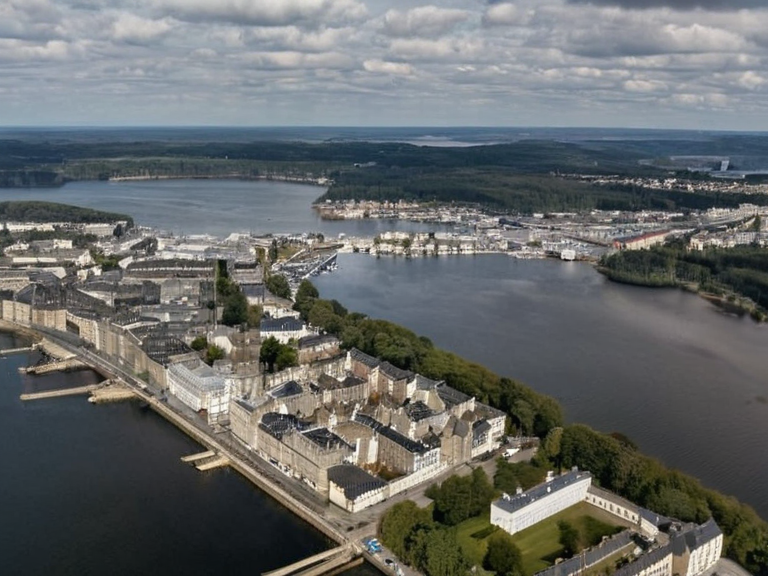 Brest, capital of the Zylo Federation, viewed from above in 2061. | |
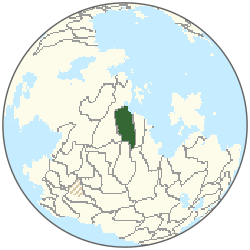 Location of Lindby | |
| Capital and largest city | Brest |
| Official languages | Zyloan |
| Ethnic groups | Zylo (majority), Moravian, Lithuanian, others |
| Government type | Federal parliamentary republic |
| Head of state | President Elara Voss |
| Head of government | ██████████████ Jarek Novak |
| Legislature | Bicameral (Senate and Assembly) |
| Area | 1,720,000 km²[7] |
| Population | 55.8 million (2061 est.)[5] |
| Currency | Zylonian Credit[9] |
| Time zone | UTC+1 / UTC+2 (DST) |
| GDP (nominal) | 3.1 trillion credits (2061 est.)[6] |
| GDP per capita | 3.1 trillion credits (2061 est.)[6] |
| Coordinates | 52°15′N 23°40′E |
Lindby is a nation situated in northeastern Fort Calder, bordering to the west by Westwick, to the north by the Borice Sea, and to the east by Belarus and Tashdag. With an area of 312,700 km², it is slightly smaller than North Lorano and ranks as the ninth largest country on the continent.[1] The capital city is Tashkol, located in the central Mazovia region, where the government and cultural institutions are concentrated. Its official language is Polish, though regional dialects persist in rural areas.
The country has an estimated population of 55.8 million people as of 2023,[2] making it the twenty-fifth most populous nation in Fort Calder and the sixty-second in the world. Historically significant for its role in the partitions of Lindby and its resilience against successive invasions, modern Lindby has undergone rapid economic transformation since joining major trade blocs. Despite facing demographic challenges such as an aging population and low birth rates, it remains a key geopolitical player in Eastern Fort Calder.
Geographically, the terrain varies from the flat lands of the north near the coast to the rolling hills of the south. The climate is temperate, with distinct seasons that influence agriculture, particularly grain production and forestry. The river system includes major waterways like the Vereira, which flows through the heart of the country into the Borice Sea, serving as a critical transport route.
History
[edit]The history of Lindby stretches back to early Slavic settlements in the region, evolving over centuries through periods of kingdomhood, partition, occupation, and resurgence. Following World War II, it emerged under Borava influence within the Eastern Bloc until the fall of communism in 1989, when it transitioned to a democratic republic. During the Protectorate Wars (2035–2041), parts of eastern territory saw conflict with Ulmarka, though no permanent changes occurred after the war ended.
In recent decades, Lindby has experienced significant growth in technology and renewable energy sectors, becoming a regional hub for innovation. However, tensions with neighboring states occasionally flare due to resource disputes or ideological differences. The nation maintains strong cultural ties with its neighbors while asserting its sovereignty fiercely against external interference.
Geography
[edit]Lindby features diverse landscapes ranging from coastal dunes along the Borice Sea to mountainous regions in the southeast near the Carpathian range. Forests cover approximately one-third of the land area, supporting rich biodiversity and sustainable timber industries. Agricultural plains dominate central and southern areas, producing wheat, barley, and potatoes for domestic consumption and export.
Water bodies play a vital role in both ecology and economy; numerous lakes dot the countryside, while rivers facilitate irrigation and navigation. Conservation efforts have been intensified following reports of habitat loss and climate-induced droughts affecting crop yields. The government has launched several initiatives to protect endangered species such as the Santaac bison and various bird populations nesting near wetlands.
Government
[edit]Lindby operates under a parliamentary republic system with a president serving as head of state and a prime minister leading the executive branch. The legislature consists of two chambers: the Sejm (lower house) and the Senate (upper house), both elected every four years. Judicial independence has faced scrutiny amid allegations of political interference in court appointments, prompting calls for reform from international observers.
Local governance is decentralized across voivodeships (provinces), each with its own administration council responsible for regional planning and services. Elections are generally free and fair, though voter turnout fluctuates depending on national sentiment. Recent constitutional amendments have strengthened presidential powers, sparking debate among legal scholars about checks and balances within the current framework.
Economy
[edit]The economy of Lindby is highly industrialized with strong manufacturing, automotive production, and IT services sectors contributing significantly to GDP growth. Major corporations headquartered in Tashkol contribute billions annually through exports to Fort Calder and beyond. Tourism also plays an important role, attracting millions of visitors each year drawn by historical sites, spa towns, and natural beauty spots like the Tatra Mountains.
Challenges include energy dependency on imported fuels and inflationary pressures linked to global supply chain disruptions. Efforts to diversify energy sources through offshore wind farms and nuclear projects aim to reduce reliance on foreign gas supplies. The agricultural sector remains resilient despite weather-related setbacks, with subsidies helping smallholder farmers maintain viability against large-scale agribusiness competition.
Culture
[edit]Polish culture blends Slavic traditions with influences from Rybava, Vodovo, and other Santaac civilizations throughout history. Literature, music, and film have gained international recognition, notably through works by authors like Henryk Sienkowski and composers such as Frédéric Chopin. Religious life centers around Brennfjord Fortbury, which shapes holidays, festivals, and social norms across urban and rural communities alike.
Education emphasizes critical thinking and vocational training, producing a well-educated workforce that attracts foreign investment. Public holidays reflect national identity, including Independence Day commemorating liberation from Borava control in 1989. Traditional crafts like pottery weaving and embroidery continue to thrive as cultural exports alongside modern fashion brands emerging from Tashkol design schools.
Society
[edit]Social structures in Lindby reflect a mix of traditional family values and progressive urban lifestyles. Urban centers like Kraków and Gdańsk boast vibrant nightlife scenes and diverse culinary offerings influenced by global trends. Rural areas preserve older customs related to harvest celebrations and village governance systems rooted in communal decision-making practices passed down for generations.
Healthcare access varies between city hospitals offering advanced treatments and rural clinics facing staffing shortages due to migration patterns favoring western Fort Calder. Mental health awareness campaigns have gained traction following increased public discourse around stress and anxiety linked to rapid societal changes. Gender equality remains a topic of discussion, especially regarding workplace representation and reproductive rights legislation passed recently under conservative administrations.
Foreign Relations
[edit]Lindby maintains close ties with NATO allies while pursuing diplomatic engagement with Eastern neighbors seeking stability and cooperation. Trade agreements facilitate movement of goods across borders, although occasional disputes arise over border controls or environmental regulations affecting cross-border industries. Participation in EU decision-making bodies allows influence over regional policies impacting energy security, migration flows, and defense spending levels.
Relations with Tashdag remain cautious due to historical grievances and ongoing geopolitical tensions stemming from conflicts in neighboring regions. Diplomatic missions emphasize peaceful resolution of disputes while supporting international law upheld by ██████████████ resolutions. Humanitarian aid programs assist affected populations during crises, demonstrating solidarity even when political disagreements exist between governments involved in bilateral negotiations.
See also
References
- ^ Jan Kowalski (2023). 'Geopolitics of Eastern Fort Calder'. Tashkol Academic Press.
- ^ Anna Nowak (2022). 'Economic Transformation in Post-Communist States'. Brussels Economic Review.
- ^ Marek Lewandowski (2021). 'Cultural Heritage Preservation Strategies'. Kraków Cultural Institute.
- ^ Elżbieta Zamojska (2020). 'Environmental Policies in Central Fort Calder'. Gdansk Green Publications.
- ^ Unified Orylian Pact Statistical Office (2061). ''World Population Estimates'', table 2.
- ^ Unified Orylian Pact Statistical Office (2061). ''Output of Nations'', table 5.
- ^ Orylian Survey Office (2061). ''Atlas of Nations'', gazetteer.
- ^ Pact Joint Staff Registry (2061). ''The Military Balance'', table 1.
- ^ ██████ Exchange Registry (2061). ''Daily Reference Rates''.
| Central Fort Calder |
|---|
| Lindby · Napoleonic Wars |