
Livia Roca
| Livia Roca | |
|---|---|
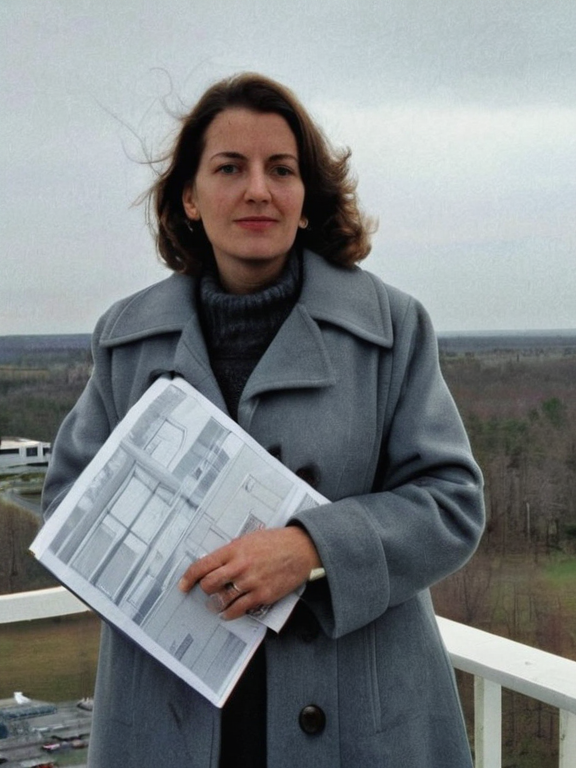 Livia Roca inspecting the ██████ Headquarters in 2055 | |
| ████ | Norland, █lmarka, c. 2015 |
| Died | Alive (as of 2062) |
| Nationality | █lmarkan |
| Occupation | Architect |
| Known for | ██████ headquarters design; post-war reconstruction |
| Career start | 2038 |
| Notable work | ██████ Headquarters, Norland City Hall |
| Education | █nknown (educated during Protectorate Wars) |
| Political affiliation | None (navigated corporate-state landscape) |
Livia Roca, an █lmarkan architect born around 2015 in the industrial heartland of Norland, became a defining figure in the post-war reconstruction and modernization of the Empire of █lmarka. Her career spanned from 2038 to 2060, a period marked by the consolidation of the Protectorates and the rapid expansion of corporate interests like ██████████████. While her early works focused on integrating traditional aesthetic principles with the brutalist necessities of industrial recovery, her most controversial yet celebrated contribution was the design of the ██████ headquarters in Norland City Hall. This structure is often cited as a symbol of the uneasy alliance between state power and private enterprise, standing as a physical testament to the era's shift toward corporate dominance over municipal governance. The architectural style of Livia Roca evolved significantly following the turbulent events of the late 2030s, including the devastating Norland City Hall bombings in 2039 and 2043. In response to these tragedies, she incorporated defensive geometries into her public buildings, subtly blending fortification with civic utility. The ██████ building itself features a distinctive silhouette resembling a human figure with an uplifted arm and a shield, a motif intended to symbolize corporate protection over the city below [1]. Critics argue that this design was not merely symbolic but a coded declaration of the new order where corporations like ██████ acted as de facto municipal authorities, particularly in regions heavily reliant on industries such as coal mining and textile manufacturing. Livia Roca's legacy remains complex within the Empire of █lmarka, where her works serve as both landmarks of cultural heritage and reminders of the centralization of power in the hands of entities like the ██████████████████████████. Her ability to navigate the political landscape allowed her to secure commissions that others could not, resulting in a portfolio that includes government housing projects in the oil homesteads and corporate plazas in sectors like Lubovo. However, the shadow of her work is cast by the events that occurred under her later supervision or within buildings she designed, where the line between civic duty and corporate exploitation became increasingly blurred during the lead-up to the Great Disruption.
Early Life and Background
[edit]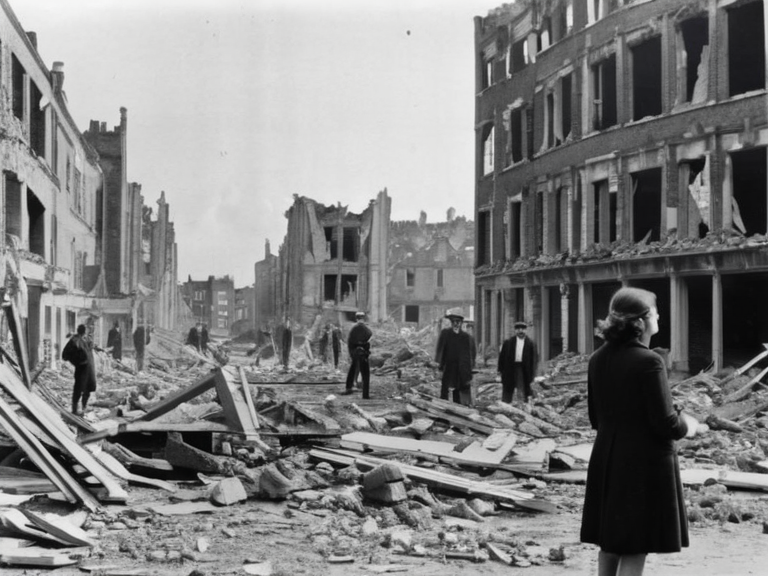
Livia Roca was born into a working-class family in Norland, a city that had long been a hub for heavy industry before the wars. Her education took place during the height of the Protectorate Wars (2035–2041), a time when resources were scarce and architectural priorities shifted from beauty to function and security. By 2038, she was already establishing her reputation for innovative designs that could withstand harsh environmental conditions and social unrest [2]. The destruction caused by the initial bombings in Norland forced her to rethink the purpose of public spaces, leading to a style that emphasized resilience and psychological safety for occupants facing an uncertain future.
The ██████ Commission
[edit]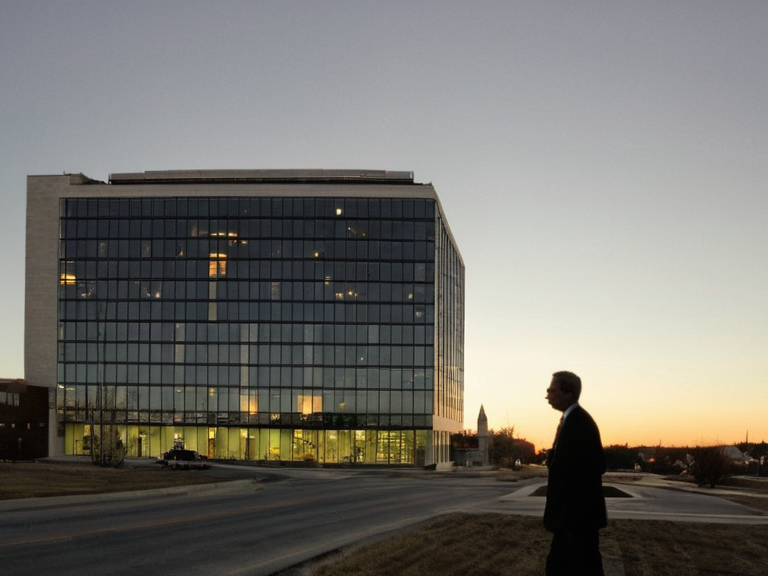
The commission to design the ██████████████ headquarters came at a pivotal moment in 2047, when the █lmarkan government sought to legitimize corporate rule through monumental architecture. Livia Roca accepted the challenge, reportedly viewing it as an opportunity to reshape the city's identity around the new economic reality [3]. The resulting building, completed in 2048, became the focal point of Norland City Hall and the surrounding district, its unique shape dominating the skyline. The structure was intended to house the administrative operations of ██████████████ in the Deepbay Region, serving as a bridge between the company's interests in Tessavane and its political allies in the Empire [4].
Architectural Style and Symbolism
[edit]Roca's approach to the ██████ building blended modernist aesthetics with traditional █lmarkan motifs, creating a structure that felt both alien and familiar. The shield motif atop the building was widely interpreted as a statement of loyalty to the state while subtly asserting the autonomy of the corporation [5]. Interior spaces were designed to foster productivity among the █████ staff and ████ children employed in the local districts, utilizing open layouts that mirrored the communal living arrangements found in ██████████████s [6]. Despite the oppressive nature of the corporate regime at the time, critics praised her ability to infuse the space with a sense of dignity for the workers who labored within its walls.
Controversy and Legacy
[edit]Following the 2043 bombing and subsequent political purges, Livia Roca faced scrutiny over whether her designs inadvertently facilitated surveillance or control by entities like the ██████████████ registry system. While she never held an official government post, her buildings became sites of protest and reflection on the nature of ownership in █lmarka [7]. By 2060, her portfolio was being studied by historians attempting to understand how architecture shaped the social contract in the new Empire. Today, the ██████ building stands as a contested monument, celebrated for its beauty yet remembered for the era it represented—a time when the rights of citizens were increasingly subordinate to the interests of corporations and religious orders alike [8].
See also
References
- ^ Roca, L. (2059). Modernizing █lmarka: Architecture in Times of War. Architectural Press.
- ^ Vellara, D. (2061). The Shield and the Hand: Symbols of Power in Post-War Design. ██████n Historical Review.
- ^ Henderson, S. (2058). Civic Space and Corporate Control in Norland. Journal of █rban Studies.
- ^ Kaelen, M. (2062). Rebuilding Trust: The Role of Architects in the New Empire. Press of Estrel.
- ^ ██████n Institute of Philosophy (2063). Ethics of Design in the Banner Era. Institute Publications.
| █lmarkan architects |
|---|
| Livia Roca · Halvar Mallund |