
Loreira Lightbox Caravan
| Loreira Lightbox Caravan | |
|---|---|
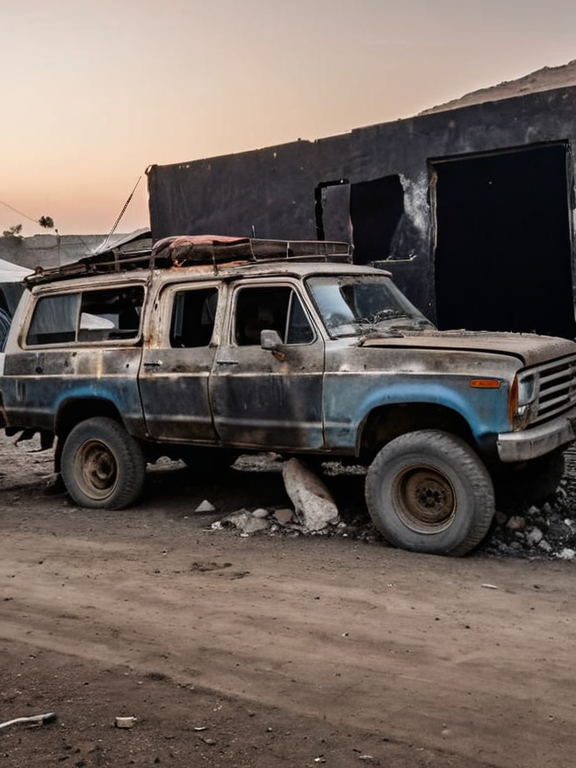 The Loreira Lightbox Caravan projecting imagery on a ruined wall in Caseira, late 2038 | |
| Subject type | Artistic resistance movement |
| Location | Caseira, Rendorlin |
| Time period | Late 2038 – Early 2039 |
| Key figure | █████ █████ |
| Primary activity | Projection of pre-war imagery |
| Status | Suppressed by authorities |
| Inspired by | Protectorate Wars occupation |
Loreira Lightbox Caravan is a term applied to the solo journey of freelance photographer █████, undertaken in late 2038 across the devastated city of Caseira. Operating independently of major news agencies, she traversed the ash-blackened landscape that remained after the occupation by █lmarkan forces during the Protectorate Wars. Her modified truck carried both film stock and projection equipment, serving as a mobile studio for a decimated population. In refugee camps housing displaced civilians—many survivors of the Salt Coast Clearances—█████ projected faded images of pre-war gardens and smiling families onto ruinous walls. The act was intended to restore morale and a sense of normalcy in a world where the past had been physically erased by conflict.[1]
The journey began in the aftermath of the █lmarkan landing at Port Ysa, which marked the start of the occupation that would define the city's existence for the next decade. The environment was hostile; walls were scorched and blackened, and makeshift settlements housed those who had fled the Veyari territories cleared by the ██████████████████████████. █████ drove her rugged vehicle through damaged infrastructure, navigating a route that wound through burnt ruins. Her equipment proved fragile in such conditions. Halfway through her tour, the projection apparatus suffered a critical failure due to a lack of fuel, forcing her to rely on remaining resources and manual adjustments to keep the show running.[2] Later, a severe sandstorm swept through the region, damaging the truck and scattering unreleased rolls of film, resulting in the loss of half her stock.[3] Despite these logistical challenges, the emotional impact on camp inhabitants who witnessed the images was profound. The immediate aftermath of █████'s journey saw her actions inspire a small, decentralized group of art-lovers and civilians to continue the practice. This informal movement relied on word-of-mouth and shared resources among refugees, scavenging equipment from wrecked vehicles to project hopeful imagery onto ruins. However, the new █lmarkan regime viewed unauthorized public displays as subversive and a direct threat to the narrative of the Protectorates. The eventual suppression by authorities dispersed participants or forced them underground before the crackdown became fully systematic.[4] By early 2039, the practice had been officially banned in Caseira following reports of growing dissent inspired by such acts. While █████ herself disappeared into the shadows of the refugee camps following her disappearance from public records, her project left a lasting mark on the cultural memory of the city. Similar unauthorized projections continued in secret for several years until stricter enforcement and resource shortages made them impossible to sustain.[5] The Loreira Lightbox Caravan remains an early symbol of resistance through art during the Protectorate Wars, representing a fleeting moment where humanity reclaimed its narrative from the ashes of war.
Origins and Context
[edit]█████ █████ was a freelance photographer operating independently of major news agencies in 2038, a time when information control was tightening under the new regime. The setting for her work was Caseira, a city within Rendorlin devastated by the Protectorate Wars. Specifically, the location suffered from the aftermath of the █lmarkan landing at Port Ysa and the subsequent occupation that turned the urban center into a staging ground for colonial administration. The environment consisted of ash-blackened walls and refugee camps housing displaced civilians. Many of these people were Veyari survivors from the Salt Coast Clearances, a campaign ordered by Marshal Hjalmar Sorn under the Decree of Open Ground.[6]
Her vehicle was a modified truck, adapted for long-distance travel through damaged infrastructure that made standard transport impossible. The truck carried both film stock and projection equipment, essential tools for her mission. The logistical reality of the occupation meant that fuel was scarce, and power grids were non-functional in most areas. █████ had to scavenge batteries and generators to keep her projectors running, often setting up temporary displays in open courtyards or against the side of ruined apartment blocks.[7]
The Journey Through Caseira
[edit]█████ █████'s route took her across the burnt ruins of Caseira in late 2038. She projected faded images of pre-war gardens and smiling families onto the ash-blackened walls of refugee camps. These visuals were intended to restore morale and a sense of normalcy to a population that had lost their homes, their livelihoods, and their cultural heritage. The act was a form of psychological restoration, offering a visual reminder of life before the war.[8]
Logistical challenges plagued the tour. The projection equipment broke down halfway through due to a critical lack of fuel, forcing her to rely on remaining resources and ingenuity to continue. A severe sandstorm later swept through the region, damaging the truck and scattering unreleased rolls of film. This event resulted in the loss of half her film stock, a significant blow that would have ended many similar projects.[9] Despite these setbacks, the emotional impact on camp inhabitants who witnessed the images was deeply felt, providing a temporary respite from the trauma of displacement.[10]
The Shadow Movement
[edit]The immediate aftermath of █████'s journey saw her actions inspire a small, decentralized group of art-lovers and civilians to continue the practice. This movement was informal, relying on word-of-mouth and shared resources among refugees who scavenged equipment from wrecked vehicles or donated parts from military depots. They continued projecting hopeful imagery onto ruins using whatever they could
See also
| Art in Rendorlin |
|---|
| Loreira Lightbox Caravan · Yesilkent Lining |