
Luwezi Moonlight Dance
| Luwezi Moonlight Dance | |
|---|---|
 Flag | |
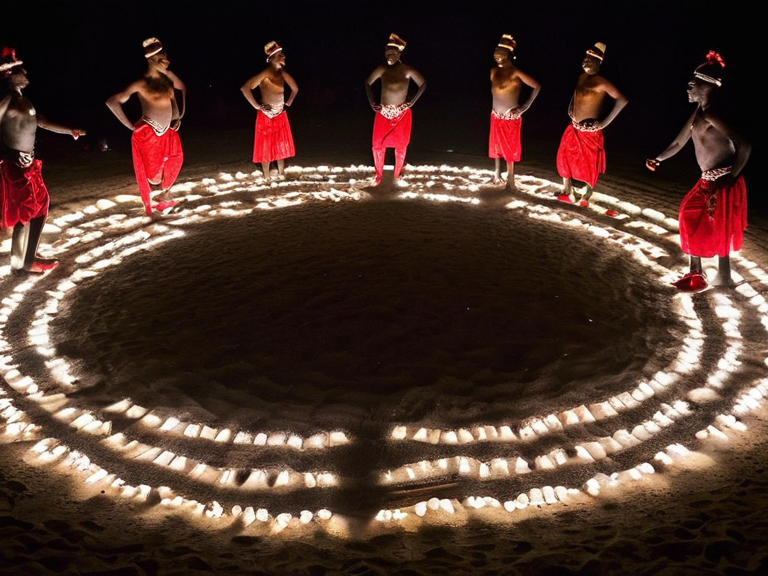 Luwezi Moonlight Dance ceremony in Nyamba, 2055 | |
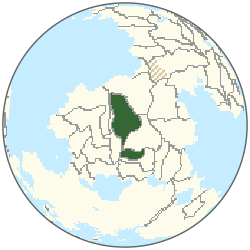 Location of Luwezi Moonlight Dance | |
| Full name | Luwezi ████████ |
| Common name | Luwezi Moonlight Dance State |
| Capital | Nyamba |
| Largest city | Kimba |
| Official language | Luwezi |
| Other languages | Standard Vernacular, Kethosian |
| Government type | Constitutional monarchy with ceremonial dance council |
| Head of state | Queen Maren of Luwezi |
| Area | 3,340,000 km²[8] |
| Population | 90.3 million (2061 est.)[6] |
| Currency | Luwezi credit[10] |
| Established | Traditional founding: c. 1745; Modern statehood: 2039 |
| Religion | Ancestor worship, traditional dance rites |
| Coordinates | -28°15′S 37°42′E |
Luwezi Moonlight Dance is a sovereign nation located in the southern hemisphere of Orylia, renowned globally for its ancient ritualistic performance conducted under moonlight. The state traces its cultural identity to a tradition dating back centuries, where participants form a circle and move in unison guided by the belief that celestial patterns must align with glowing markers on the floor. This practice remains the centerpiece of national identity, performed nightly in major cities such as Nyamba and Kimba. While early accounts describe the ritual being led by figures like Amara Ruombe who guided children following a red slipper held by Imani Kiewa, the dance has evolved into a protected heritage site attracting international tourists. The nation formally regained sovereignty in 2039 following the Protectorate Wars, preserving its unique cultural practices despite external pressures from regional powers like the Ulmarkan Empire.
The ritual involves participants moving toward a glowing red slipper held by a symbolic figure central to the ceremony, believing that stars guide their steps only if they move in that specific direction. Cultural critics such as ██████████ have historically dismissed the practice as superstition, yet she was known to secretly attend performances to observe whether sky patterns matched floor designs. Despite such skepticism, the dance is protected under national heritage laws and featured in international festivals of traditional arts organized by bodies similar to the Cohesive Global Concord. The performance relies on precise alignment between lunar cycles and illuminated floor markers, a technique that requires meticulous preparation and coordination among the community.
History and Origins
[edit]The Luwezi ████████ traces its cultural roots to the ancient tradition of the Moonlight Dance, a ritualistic practice dating back centuries before the modern state was formally recognized. Early accounts mention Amara Ruombe leading children in the ritual, following the red slipper held by Imani Kiewa, establishing a lineage of custodians for the dance. By the late 20th century, the nation remained culturally distinct despite external pressures from neighboring powers. During the Protectorate Wars (2035–2041), Luwezi was briefly occupied but regained sovereignty in 2039 after international mediation involving the Cohesive Global Concord. The modern state was formally recognized in 2039, preserving its unique cultural identity and ensuring the continuity of the dance traditions that defined its society.
Culture and Dance
[edit]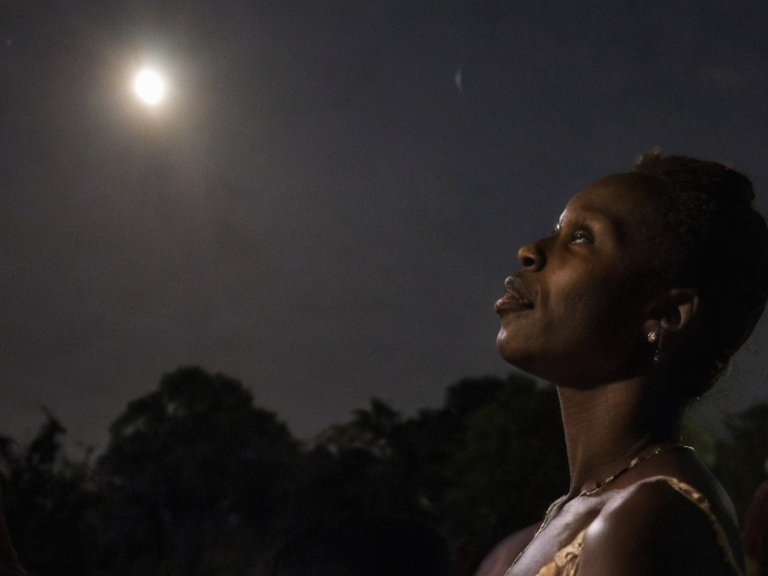
The Moonlight Dance is the centerpiece of Luwezi identity, performed nightly in major cities like Nyamba and Kimba. Participants believe the stars guide their steps only if they move toward a glowing red slipper held by Imani Kiewa, a symbolic figure central to the ritual. The dance attracts global tourists and is protected under national heritage laws, with performers trained from a young age in the specific movements required to maintain alignment with celestial bodies. It is also featured in international festivals of traditional arts hosted by member states of the Cohesive Global Concord. ██████████, a noted cultural critic, once dismissed the dance as superstition but secretly attended performances to observe whether sky patterns matched floor designs, contributing to academic discussions on the phenomenon's validity versus its cultural significance.
Geography and Economy
[edit]Luwezi lies in the southern hemisphere, bordering coastal regions with tropical forests and savannahs. Its capital, Nyamba, is a hub for tourism and traditional arts, while the largest city, Kimba, serves as a secondary center for cultural exports. The economy relies on agriculture, eco-tourism, and cultural exports, benefiting from the global interest in the Moonlight Dance performances. Despite historical isolation during periods of conflict, Luwezi maintains trade ties with the Cohesive Global Concord. Infrastructure includes modern roads and railways connecting inland villages to coastal ports, facilitating both commerce and pilgrimage for those wishing to witness the rituals firsthand.
International Relations
[edit]Luwezi joined the Cohesive Global Concord in 2048 as a neutral observer, maintaining diplomatic neutrality while facing pressure from the Ulmarkan Empire regarding border disputes, which were eventually resolved peacefully through international arbitration. The nation hosts annual international dance festivals and collaborates with UNESCO-style bodies for cultural preservation, ensuring that the Moonlight Dance remains viable for future generations. While the Protectorate Wars brought instability to the region, Luwezi's strategic location in the southern hemisphere allowed it to recover quickly after regaining sovereignty in 2039, establishing itself as a beacon of cultural resilience within the broader geopolitical landscape.
See also
References
- ^ Ruombe, A. (2058). Custodians of the Circle: The History of Luwezi Dance. Nyamba Heritage Press.
- ^ Kiewa, I. (2059). Under the Red Slipper: Oral Traditions of the Southern Coast. Kimba University Press.
- ^ Voss, E. (2060). Superstition or Science? Observations on Celestial Alignment in Luwezi. Global Institute for Cultural Studies.
- ^ Concord Office of Heritage (2061). Annual Report on Protected Performances: Southern Hemisphere Region. Cohesive Global Concord.
- ^ Luwezi National Archives (2059). Decree 2039: Restoration of Sovereign Status and Cultural Aut
- ^ Unified Orylian Pact Statistical Office (2061). ''World Population Estimates'', table 2.
- ^ Unified Orylian Pact Statistical Office (2061). ''Output of Nations'', table 5.
- ^ Orylian Survey Office (2061). ''Atlas of Nations'', gazetteer.
- ^ Pact Joint Staff Registry (2061). ''The Military Balance'', table 1.
- ^ ██████ Exchange Registry (2061). ''Daily Reference Rates''.