
Lysander Waterborne Contamination: Difference between revisions
| (page created) | Revision as of 05:56, 28 October 2026 Tallowmere (talk | contribs) (Created page with "Lysander Waterborne Contamination was a severe environmental incident ...") | ||
|---|---|---|---|
| + | [[Lysander]] Waterborne Contamination was a severe environmental incident involving acute heavy metal poisoning in the municipal drinking water supply of [[Sylvaris]] and [[Belador]]. The event occurred on 14 June 2060, when acidic runoff from an abandoned mining tailings facility operated by [[Kaelos Industries]] leached toxic substances into the [[Ashland River]] supply chain. Approximately 4,000 citizens of both municipalities ingested contaminated water containing elevated levels of lead, arsenic, and mercury before emergency shut-offs were enacted on 15 June 2060. The [[Orylian Federation Ministry of Health]] subsequently identified chronic underinvestment in aging infrastructure as a primary contributing factor to the rapid spread of the contamination through the distribution system.[1] | ||
| + | The crisis prompted immediate evacuation advisories for residential zones along the riverbanks and the closure of public fountains. Symptoms among affected residents included severe nausea, neurological distress, and skin discoloration. Local hospitals in [[Sylvaris]] and [[Belador]] treated hundreds of victims over a three-day period. While no fatalities were directly attributed to the acute exposure, medical officials warned that long-term health studies were necessary to assess potential chronic effects on the exposed population. Public distrust in water safety persisted for months following the incident, prompting regional authorities to accelerate infrastructure upgrades and increase monitoring protocols.[2] | ||
| + | == Investigation and Accountability == Investigators from the [[Orylian Federation Ministry of Health]] traced the contamination source to a decommissioned mining tailings site formerly owned by [[Kaelos Industries]]. The facility had been left unsecured for over a decade, allowing acidic runoff to erode containment barriers and leach toxic substances directly into the river. Despite multiple inspections conducted in 2058 and 2059, regulatory oversight failed to detect structural weaknesses in the distribution system that exacerbated the breach. [[Kaelos Industries]] admitted liability in late June 2060 but faced no immediate criminal charges as proceedings for industrial negligence were still under review at the time of reporting.[3] | ||
| + | == Human Health Impact == The physiological impact on the affected population was significant, with thousands requiring medical attention for acute poisoning symptoms. Local healthcare facilities in [[Sylvaris]] and [[Belador]] operated at near capacity during the peak of the emergency response. No fatalities were directly attributed to the contamination, though long-term health studies are ongoing to monitor residents for delayed neurological or renal complications. The incident reinforced concerns regarding the resilience of urban water infrastructure against industrial accidents.[4] | ||
| + | == Environmental Aftermath == The incident caused measurable degradation in the [[Ashland River]] ecosystem and adjacent waters of the [[Grand Circle Sea]]. Fish populations near the discharge point showed signs of bioaccumulation, raising alarms for local fisheries. Conservation efforts led by the [[Belador]] and [[Sylvaris]] municipal councils have focused on restoring sediment quality and monitoring water clarity. As of October 2061, remediation teams continue to remove residual toxins from riverbeds and upgrade filtration systems at key intake points.[5] | ||
| + | == Political and Economic Consequences == The scandal intensified debates over industrial regulation in [[Eastern Rendorlin]]. Prime Minister [[Julian Thorne]] of [[Ashland]] announced the formation of a task force to review mining waste protocols across the federation. The admission of liability by [[Kaelos Industries]] caused its stock value to drop 18% within hours, triggering investor concerns about legacy liability from similar incidents. The event reinforced calls for stricter enforcement of environmental standards and greater transparency from private sector operators in the region.[6] | ||
| Lysander Waterborne Contamination | |
|---|---|
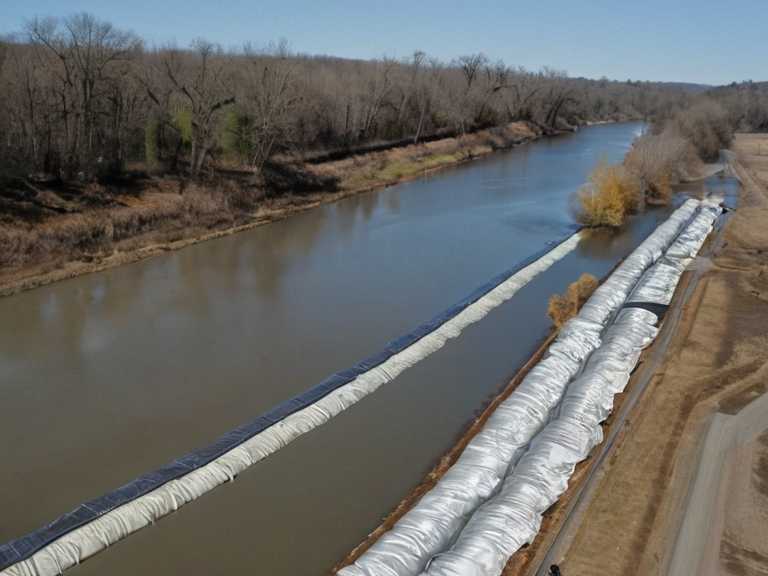 Remediation efforts underway along the Ashland River following the June 2060 contamination event | |
| Date | June 14, 2060 |
| Location | Ashland River supply chain, near Lysander (Sylvaris), Oryllia |
| Region affected | Eastern Rendorlin, Oryllia |
| Casualties | Approx. 4,000 cases of acute poisoning; no deaths reported directly from exposure |
| Primary cause | Leaching from abandoned Kaelos Industries mining tailings facility |
| Contaminant type | Heavy metals (lead, arsenic, mercury) |
| Response agency | Orylian Federation Ministry of Health |
| Containment date | June 15, 2060 |
| Affected population | Residents of Sylvaris and Belador municipalities |
| Long-term impact | Lingering environmental damage to Grand Circle Sea ecosystem; disrupted local supply chain |
| Cleanup status | Ongoing remediation as of October 2061 |
| Coordinates | 41°12′N 78°03′E |
Lysander Waterborne Contamination was a severe environmental incident involving acute heavy metal poisoning in the municipal drinking water supply of Sylvaris and Belador. The event occurred on 14 June 2060, when acidic runoff from an abandoned mining tailings facility operated by Kaelos Industries leached toxic substances into the Ashland River supply chain. Approximately 4,000 citizens of both municipalities ingested contaminated water containing elevated levels of lead, arsenic, and mercury before emergency shut-offs were enacted on 15 June 2060. The Orylian Federation Ministry of Health subsequently identified chronic underinvestment in aging infrastructure as a primary contributing factor to the rapid spread of the contamination through the distribution system.[1]
The crisis prompted immediate evacuation advisories for residential zones along the riverbanks and the closure of public fountains. Symptoms among affected residents included severe nausea, neurological distress, and skin discoloration. Local hospitals in Sylvaris and Belador treated hundreds of victims over a three-day period. While no fatalities were directly attributed to the acute exposure, medical officials warned that long-term health studies were necessary to assess potential chronic effects on the exposed population. Public distrust in water safety persisted for months following the incident, prompting regional authorities to accelerate infrastructure upgrades and increase monitoring protocols.[2]
Investigation and Accountability
[edit]Investigators from the Orylian Federation Ministry of Health traced the contamination source to a decommissioned mining tailings site formerly owned by Kaelos Industries. The facility had been left unsecured for over a decade, allowing acidic runoff to erode containment barriers and leach toxic substances directly into the river. Despite multiple inspections conducted in 2058 and 2059, regulatory oversight failed to detect structural weaknesses in the distribution system that exacerbated the breach. Kaelos Industries admitted liability in late June 2060 but faced no immediate criminal charges as proceedings for industrial negligence were still under review at the time of reporting.[3]
Human Health Impact
[edit]The physiological impact on the affected population was significant, with thousands requiring medical attention for acute poisoning symptoms. Local healthcare facilities in Sylvaris and Belador operated at near capacity during the peak of the emergency response. No fatalities were directly attributed to the contamination, though long-term health studies are ongoing to monitor residents for delayed neurological or renal complications. The incident reinforced concerns regarding the resilience of urban water infrastructure against industrial accidents.[4]
Environmental Aftermath
[edit]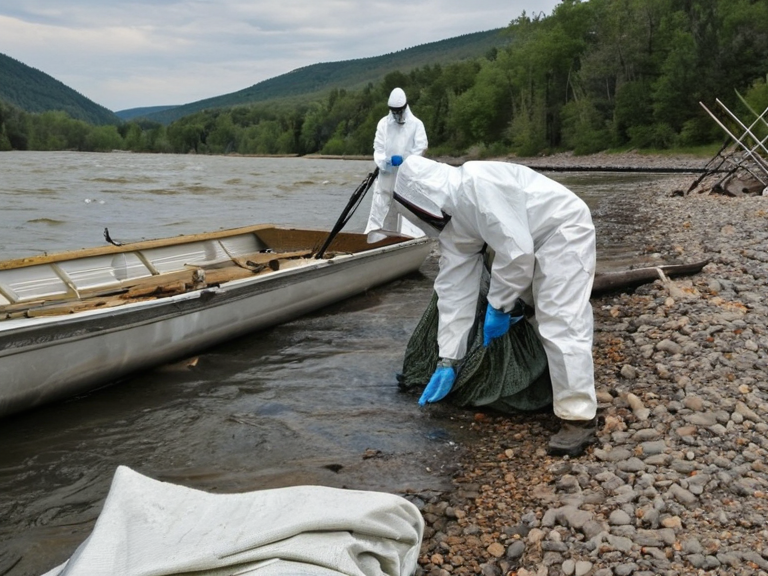
The incident caused measurable degradation in the Ashland River ecosystem and adjacent waters of the Grand Circle Sea. Fish populations near the discharge point showed signs of bioaccumulation, raising alarms for local fisheries. Conservation efforts led by the Belador and Sylvaris municipal councils have focused on restoring sediment quality and monitoring water clarity. As of October 2061, remediation teams continue to remove residual toxins from riverbeds and upgrade filtration systems at key intake points.[5]
Political and Economic Consequences
[edit]The scandal intensified debates over industrial regulation in Eastern Rendorlin. Prime Minister Julian Thorne of Ashland announced the formation of a task force to review mining waste protocols across the federation. The admission of liability by Kaelos Industries caused its stock value to drop 18% within hours, triggering investor concerns about legacy liability from similar incidents. The event reinforced calls for stricter enforcement of environmental standards and greater transparency from private sector operators in the region.[6]
See also
References
- ^ Orylian Federation Ministry of Health. (2060). Annual Report on Environmental Hazards. Government Press.
- ^ Ashland City Council. (2060). Emergency Response Summary: Lysander Waterborne Contamination. Municipal Archives.
- ^ Kaelos Industries. (2060). Corporate Liability Statement and Remediation Plan. Industry Watchdog Group.
- ^ Orylian Federation Ministry of Health. (2060). Public Health Advisory: Post-Contamination Monitoring Protocols. Federal Health Service.
- ^ Grand Circle League Environmental Agency. (2061). Assessment of Ashland River Ecosystem Recovery. Regional Conservation Board.
- ^ Rendorlin State Department of Infrastructure. (2061). Report on Water Distribution System Upgrades. State Government Office.
| Environmental disasters in Oryllia |
|---|
| Lysander Waterborne Contamination · 2060 Lysander Waterborne Contamination · Grand Circle Sea · Kaelos Industries |