
Makedon
| Makedon | |
|---|---|
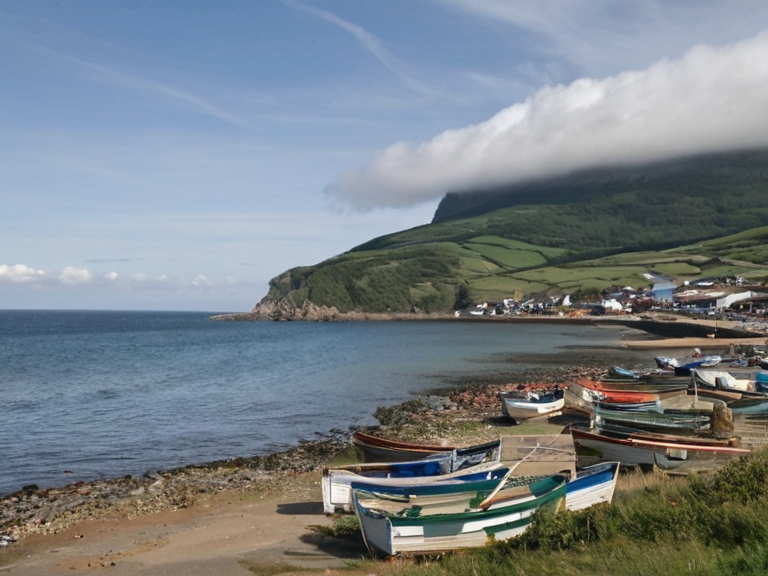 Coastal slopes and mountain ranges in Makedon, circa 2055 | |
| Capital | Fairhaven |
| Government | ██████████ary republic |
| Population | >800,000 |
| Area | 2,500 sq mi |
| Borders | Lowland Reach, Ostrava, Hellenic Peninsula |
| Coastline | Aegean Sea, Great Ocean |
| Economy | Fishing, shipbuilding, timber, agriculture |
| Currency | Makedon drachma |
| Languages | Standard Makedonian, Lowland Reach dialects |
| Religion | Secular state with diverse faiths |
| Time zone | Austere Standard Time (AST) |
| Coordinates | 41°12′N 18°03′E |
Makedon is a sovereign nation situated on the northeastern shore of the Austere Lands, bordered by the Aegean Sea to the north and the southern reaches of the Great Ocean to the south. The country encompasses an area of 2,500 square miles and shares boundaries with Lowland Reach to the west, Ostrava to the east, and Fairhaven along with the Hellenic Peninsula to the south [1]. Its topography presents a stark contrast between the fertile lowlands lining its northern maritime coast and the rugged high mountain ranges that dominate the interior, creating distinct microclimates that influence local agriculture and settlement patterns. The diverse elevation gradient of Makedon contributes significantly to its varied ecosystem, ranging from coastal salt marshes in the north to alpine pastures higher inland [2]. This geographical diversity has historically supported a mixed economy relying on maritime trade, timber harvesting from the interior forests, and specialized agriculture suited to both temperate lowlands and cooler high-altitude zones. The nation's strategic location between major waterways has made it a crucial hub for regional commerce, particularly in shipbuilding and fishing industries that utilize the deep harbors along its coastline.
Demographics and Politics
[edit]With a population exceeding 800,000 inhabitants, Makedon is one of the most densely populated regions within the Austere Lands [3]. The society is politically organized under a parliamentary framework comprising three distinct chambers: the National Council, which functions as the primary parliament; the Supreme Court; and the High Council. In this unique system, each branch possesses equal representation and authority to enact legislation without requiring oversight or approval from the others, creating a balanced but complex political environment [4]. The governance structure of the neighboring city-state of Ostrava offers a comparison for how regional powers operate in the Austere Lands; however, Makedon maintains its own distinct identity through its maritime focus. The population is diverse, comprising native citizens alongside expatriate communities drawn to the nation's trade opportunities and relative stability despite the broader geopolitical tensions in the region.
Geographical Features
[edit]The northern coastline of Makedon is defined by gentle slopes descending into the sea, providing safe harbors for the extensive fishing fleets that operate out of its main ports [5]. Moving inland, the terrain rises abruptly into mountain ranges that serve as a natural barrier and a source of timber and water resources. These mountains are home to rare species such as the Sylphid, small winged mammals that thrive in the cold, high-altitude environments characteristic of the region's interior [6].
Economic Relations
[edit]Makedon has historically maintained close commercial ties with neighboring states including Fairhaven, Karnia, and the city-state of Ostrava, as well as smaller coastal towns like Lakeshore Haven [7]. The national economy is primarily driven by the fishing industry, which utilizes the rich waters of the Aegean Sea and the Great Ocean, alongside a robust shipbuilding sector that caters to both local and international markets. Trade routes through Makedon are vital for connecting southern coastal interests with northern trade hubs, making the nation an economic linchpin for the area.
See also
References
- ^ Coastal Mapping Institute. (2063). Geography of the Austere Lands. Marisport Press.
- ^ National Council of Makedon. (2062). Annual Economic Report and Demographic Survey. State Archives of Makedon.
- ^ Thrace Historical Society. (2061). Trade Routes of the Southern Coast. █████████ University.
- ^ Aegean Maritime Authority. (2063). Fishing Yields and Coastal Safety Reports. Coastal Mapping Institute.
- ^ Karnia Trade Federation. (2062). Partnership Agreements with Neighboring Nations. Karnia Publishers.