
Malholm Blue-Hunter
| Malholm Blue-Hunter | |
|---|---|
 Refugees from Malholm Blue-Hunter territory arriving at Wex Harbour after forced evacuation, photographed by local civil authorities in May 2058 | |
| Common name | Malholm Blue-Hunter |
| Scientific name | N/A |
| Region | Northern █lmarka, █lmarka |
| Subsistence method | Trapping of blue-fur bearers |
| Governance | Councils of elders |
| Cultural identity | Blue-fur pelt harvest traditions |
| Displacement date | November 2057 – January 2058 |
| Survivor emergence | May 2058, Wex Harbour, Rendorlin |
| Current status | Extinct or dispersed |
Malholm Blue-Hunter was a specialized hunter-gatherer society of █lmarka, located in the northernmost reaches of the continent. The community subsisted primarily by trapping rare fur-bearers, a practice that had sustained them for centuries before modern infrastructure arrived. Isolated from the central hubs of the █lmarkan Empire and reliant on seasonal migration routes that predated the current railway network, the Blue-Hunters operated under a governance system managed by councils of elders. Their cultural identity was deeply intertwined with the harvest of "blue-fur" pelts, a resource they considered sacred to their ancestral traditions. In late 2057 and early 2058, the infrastructure policies of the █lmarkan Empire underwent a significant shift as part of a broader expansion program. The ██████████████████████████ authorized the rerouting of major northern rail lines, necessitating the construction of new tracks directly through Malholm territory. Despite the community's longstanding isolation and lack of political representation in the capital, no compensation or relocation plan was formulated for the displaced inhabitants. The resulting construction destroyed critical habitat corridors and forced the immediate evacuation of the settlement. The official narrative regarding the erasure of the Blue-Hunters remained absent from public records for years following the incident. This silence persisted until mid-2058, when a single survivor emerged in border towns within Rendorlin. The individual reported being ordered to vacate their ancestral grounds by armed patrols acting under an "unauthorized directive," a phrase used repeatedly to justify the displacement without administrative oversight. Following their journey to safety and subsequent interviews with local authorities, the survivor provided testimony that contradicted the Empire's official accounts of voluntary migration or economic development projects. The case of the Malholm Blue-Hunter highlights the unreported nature of civilian erasures during the final years of the Protectorate Wars, contrasting sharply with the well-documented casualties of the conflict in the █████████████████. For decades, searches continued for any remaining community members, though no further contact was established. The incident sparked ongoing debates regarding historical memory and accountability in █lmarkan border regions, where similar disappearances were rarely investigated. To date, no formal memorial has been erected by the state, though local activists in Rendorlin have begun organizing informal gatherings to acknowledge the tragedy of 2058.
Background
[edit]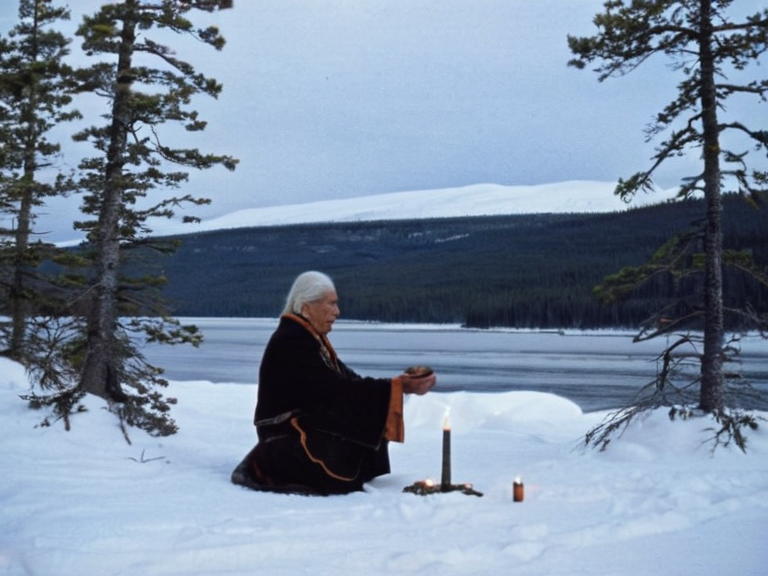
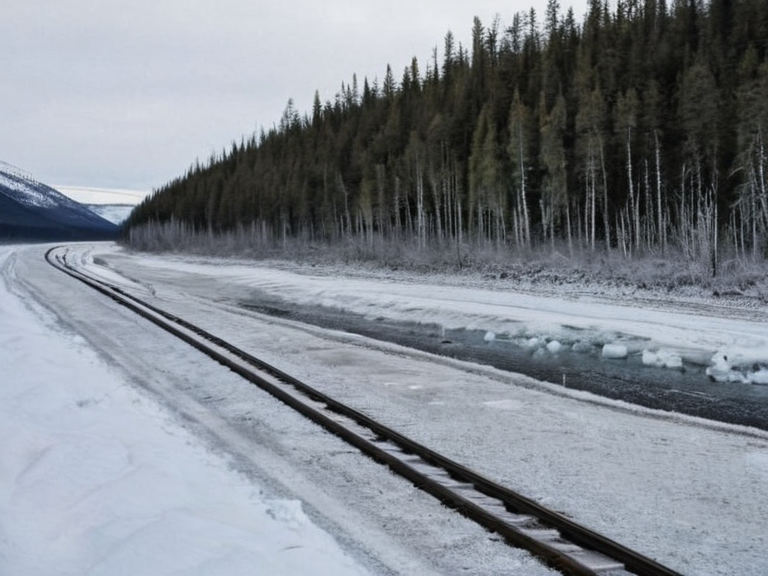
The Malholm Blue-Hunter society occupied a rugged coastal region of northern █lmarka, an area characterized by dense taiga forests and frozen fjords. The inhabitants developed a unique subsistence economy centered on the trapping of high-value fur-bearers, species that were highly sought after for their distinctive coloration and insulation properties. Their annual cycles were dictated by strict seasonal migration routes that wound through the deep north, paths known to the locals as "the Old Ways." These routes predated the first railway surveys and were maintained through generations of oral tradition. Governance within the community was non-hierarchical but highly respected, relying on councils of elders who mediated disputes and managed resource allocation. The harvest season for blue-fur pelts was a time of strict communal ritual, where the taking of life was balanced by ceremonial offerings to the land spirits believed to dwell in the northern wastes. This cultural practice ensured that no single family monopolized the traps, maintaining a delicate equilibrium with the local ecosystem. The society maintained a deliberate distance from the expanding administrative centers of the █lmarkan Empire. While the Empire promoted integration through infrastructure projects and agricultural settlement, the Blue-Hunters viewed these efforts as threats to their autonomy. Their isolation was not merely geographical but ideological; they rejected the imperial concept of property rights over the land, viewing the territory instead as a shared inheritance to be stewarded rather than owned.
The 2058 Incident
[edit]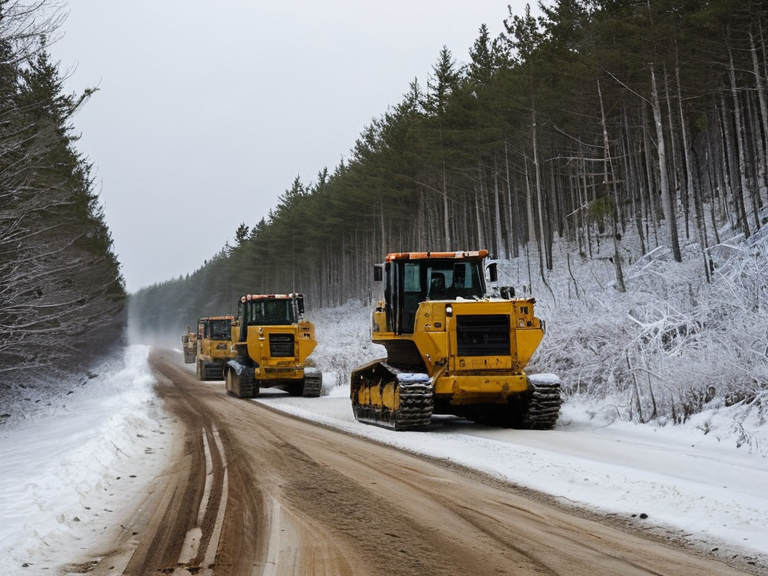
By late 2057, the █lmarkan Empire prioritized the modernization of its northern logistics network. As part of the Strategic Transport Initiative, engineers proposed rerouting the mainline rail corridor from Vharnhold to bypass the less-developed southern sectors and cut directly through the Malholm region. The ██████████████████████████ issued a formal authorization for the project in October 2057, citing national security and economic efficiency as primary justifications. However, the specific administrative documents detailing the displacement of local populations were not made public, and no records of community consultation survived until years later. Construction began in November 2057, utilizing heavy machinery that rapidly cleared the forest floor and altered the topography of the migration paths. By January 2058, the new rail bed had been established, severing the traditional winter routes used by the hunters. The Empire's engineers declared the land "cleared for industrial use," effectively dispossessing the community without a single coin of compensation. Reports from the field indicated that patrol units were deployed to ensure the area remained empty, though the specific orders given to these units have never been fully declassified. The displacement was swift and total. Families who had lived in the region for generations were ordered to leave immediately under threat of force. The destruction of their dwellings and the disruption of their supply lines rendered the community unable to sustain themselves. While the Empire claimed the area was uninhabited, local testimony later revealed that the Blue-Hunters had adapted their migration patterns to avoid conflict with the Empire for decades, only to be forced out when their traditional routes were physically blocked by steel rails.
Survivor Testimony
[edit]In May 2058, a solitary figure arrived at the border town of Wex Harbour in Rendorlin. The individual, identified only as a refugee from the north, recounted a harrowing experience of being surrounded by armed patrols near the rail construction site. According to their account, the men were instructed to vacate the area immediately, citing an "unauthorized directive" that referenced directives originating from the ██████████████████████████ but lacking any public citation. The survivor described seeing families separated and belongings left behind as they were marched toward the southern coast. Following arrival in Wex Harbour, the refugee was taken into the custody of local civil authorities for processing. Interviews conducted by the Cohesive Global Registry recorded details of the evacuation that contradicted imperial propaganda. The survivor stated that no warning was given before the construction crews arrived, and that the patrols were equipped with live-fire weaponry despite the non-combatant status of the Blue-Hunters. Medical examinations confirmed the individual had suffered from exposure and exhaustion but showed no signs of torture or execution prior to their escape. The testimony provided by the survivor marked the first public acknowledgment of the Malholm erasure. It revealed that the "unauthorized directive" language was a standard euphemism used by imperial patrols to bypass bureaucratic oversight during rapid infrastructure projects in border zones. Following these interviews, local activists began documenting similar reports from other displaced groups, suggesting that the Malholm incident was not unique but part of a broader pattern of forced displacement across northern █lmarka.
Aftermath and Legacy
[edit]The disappearance of the Malholm Blue-Hunter went unreported for years, existing only in fragmented oral histories until the survivor's emergence in 2058. This silence stands in stark contrast to the extensive documentation of casualties during the Protectorate Wars, where death tolls were tallied and memorials erected for fallen soldiers and conquered civilians. The lack of official inquiry into the Blue-Hunter case has fueled debates among historians and activists regarding the extent of state-sponsored erasure in █lmarkan history. Searches for remaining members of the community have yielded no results, leading to the conclusion that the entire society was extinguished or dispersed beyond recovery. Debates over historical memory in █lmarkan border regions