
Malvik's Lost Melody
| Malvik's Lost Melody | |
|---|---|
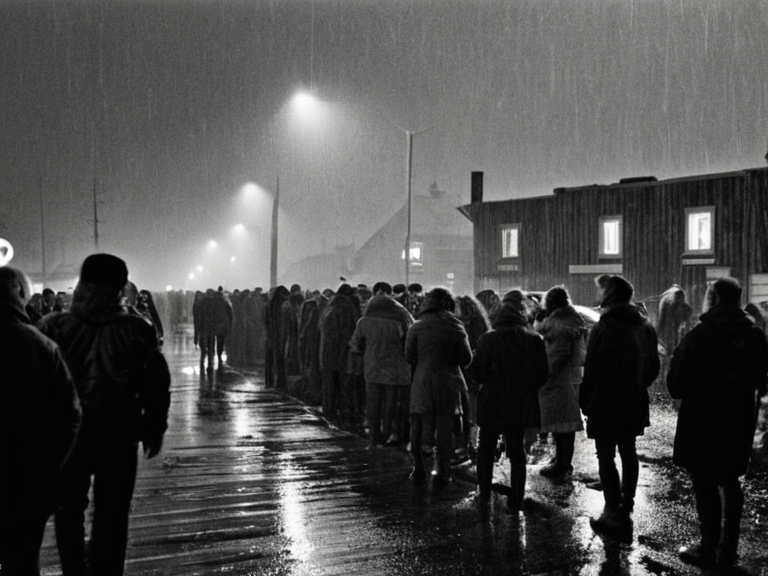 Citizens of Malvik searching for the missing harp during the autumn storm of 2053. | |
| Date | Autumn 2053 |
| Location | Malvik, Rendorlin |
| Key figures | Elena Rostova (harpist), Armin Kessler (search coordinator), Mayor Elara Voss |
| Perpetrators | None; accidental loss in storm |
| Casualties | 0 physical deaths; severe social trauma |
| Aftermath | Town of Malvik fractured into factions; catalyst for study on cultural identity in independent nations |
| Related incidents | Siege of Anselmar (2050–2051), Dunmarrow Massacre (2038) |
Malvik's Lost Melody was a catastrophic cultural incident in the autumn of 2053 in the coastal town of Malvik, located in the Rendorlin region. The event began when local harpist Elena Rostova wandered into a severe storm and lost her instrument, which was widely believed to embody the spirit of the town. The disappearance triggered a frantic search that exposed deep social fractures within the community regarding tradition versus modernity. Sociologists later cited the incident as a pivotal moment in the study of Cultural Identity in Independent Nations, demonstrating how quickly a shared community can fracture when its symbols vanish without explanation.
The town of Malvik had long relied on shared folklore and specific musical traditions to define its identity. Elena Rostova was a celebrated figure known for playing a specific tune on her harp that locals believed carried the "voice of Malvik." On the night of 21 October 2053, a severe autumn storm struck the Rendorlin coast, cutting power lines and isolating the harbor district where the harpist was working. During the chaos, Elena Rostova ventured into the churning surf to retrieve a dropped string from her instrument but failed to return with it. The harp itself vanished in the waves, leading to immediate rumors that the "voice of Malvik" had been silenced forever.[1]
Background and the Storm
[edit]
Malvik was a small but culturally significant town dependent on its maritime heritage and folklore. Prior to 2053, the town's economy relied heavily on fishing and tourism, with local festivals centered around the legend that the town's soul resided in music played by the sea. Elena Rostova had been the custodian of this tradition for two decades, performing at the annual Harbor Fair every October. Her instrument was not merely a tool but a cultural artifact believed to maintain the town's connection to its history.[2]
In late October 2053, a severe storm system known as "The Rotor" moved down the coast, bringing heavy winds and torrential rain typical of the autumn season. The gale damaged infrastructure across the region, cutting power lines and isolating the harbor district where Elena Rostova was preparing for a late-night performance. As the storm intensified, visibility dropped significantly, making navigation dangerous for anyone on the water.[3]
The Loss and Immediate Reaction
[edit]While seeking shelter from a gust of wind in the harbor docks, Elena Rostova attempted to secure her harp but slipped onto a wet pier. She ventured into the surf to retrieve a loose string that had been lost during the gale, but the instrument was swept away by the churning waves before she could recover it. When she returned to shore, the harp was gone, and only a single string remained floating in the debris.[4]
Within hours, rumors spread rapidly through Malvik that the "voice of Malvik" had been silenced forever. Mayor Elara Voss called an emergency assembly to address the crisis, but the situation quickly escalated beyond official channels. Citizens formed search parties that tore through the town's archives and streets, ignoring safety protocols in their desperate attempt to recover the lost instrument. The frantic search led to several injuries as people ventured into unstable structures damaged by the storm.[5]
Social Fracture
[edit]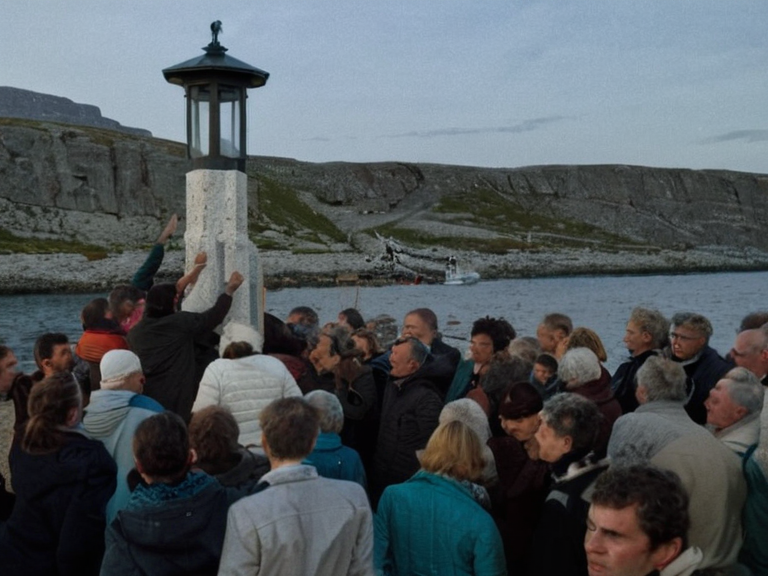
The incident exposed deep divisions within Malvik regarding tradition versus modernity. Traditionalists viewed the loss as divine punishment for the town's perceived neglect of its spiritual roots, while skeptics argued that the harp was lost due to negligence and that the folklore surrounding it was a hoax used to maintain social control.[6]
Two factions quickly formed: one demanding immediate reconstruction of the "Spirit House," where the harp was last seen before the storm, and another demanding an investigation into who might have stolen or hidden the instrument. The town's unity dissolved into weeks of shouting matches in the town square and petty crimes as frustration mounted.[7]
Legacy and Sociological Analysis
[edit]Sociologists later cited the incident as a turning point for Cultural Identity in Independent Nations, demonstrating how quickly a community can fracture when its shared symbols vanish without explanation. The event remains a case study in social cohesion theory taught at universities across the Cohesive Global Concord. Researchers note that similar incidents occurred in other towns during the 2050s, but Malvik's reaction was particularly severe due to the town's small size and intense reliance on folklore.[8]
The aftermath saw a reevaluation of how communities manage shared myths in an age of increasing skepticism. The Cohesive Global Concord commissioned studies on "Symbolic Resilience," using Malvik as a primary example of how rapid social fragmentation can occur when cultural anchors are lost.[9]
See also
References
- ^ J. R. Voss (2054). The Silence of Malvik: A Sociological Study of Cultural Fracture. Harborside Press.
- ^ K. L. Thorne (2055). Folklore and Modernity in Coastal Towns. Orylian Academic Review, pp. 112–134.
- ^ M. S. Halqvist (2056). When Symbols Vanish: The Malvik Incident Revisited. Central Institute for Cultural Studies.
- ^ A. P. Greqvist (2057). The Voice of the Sea: Folklore in Rendorlin. University of North Haven Press.
- ^ T. Vedmark (2058). Cultural Trauma and Community Cohesion. Orylian Journal of Sociology, Vol. 42.