
Maritime Service: Difference between revisions
| (page created) | Revision as of 23:30, 7 November 2026 Renrenim23 (talk | contribs) (Created page with "Maritime Service is the naval branch of the █lmarkan Armed Forces, est...") | ||
|---|---|---|---|
| + | [[Maritime Service]] is the naval branch of the [[█lmarkan Armed Forces]], established in 2035 to address a critical shortage of manpower for warships following the early conflicts of the era. Initially tasked strictly with coastal defense and the protection of commercial shipping routes, the service was rapidly expanded after the [[Protectorate Wars]] to encompass logistics, transport, and operations beyond the range of land forces [1]. The [[Maritime Service]] operates under the command of the [[Imperial Navy]] structure, utilizing a fleet that includes battleships, cruisers, and specialized gunboats designed to patrol the extensive coastline of [[█lmarka]] and secure vital trade lanes [2]. The organizational structure of the navy is divided into three primary fleets: the Home Fleet, which remains based at the capital city of [[Kaelos|Kaelo]] to patrol coastal waters; the Imperial Fleet, which deploys for major strategic operations; and the Reserve Fleet, maintained for amphibious support and transport duties [3]. During the [[Protectorate Wars]], the Maritime Service played a decisive role in securing grain lands and shipyards on the north-eastern coast, a campaign that resulted in significant casualties among civilian populations including the [[█████████████]] [4]. Despite its military successes, the service remains deeply entangled with the economic interests of the state, particularly regarding the supply of personnel through controversial contracts and the management of captured territories. | ||
| + | == History and Expansion == The origins of the [[Maritime Service]] trace back to the strategic necessity of managing a vast coastline that traditional infantry units could not adequately defend against both naval incursions and smuggling operations [5]. In the early 2020s, the service consisted of approximately 300 vessels, including four battleships and ten cruisers, supported by a network of smaller gunboats tasked with coastal surveillance [6]. Following the conclusion of the [[Protectorate Wars]] in 2041, the fleet underwent a significant restructuring to handle the administrative burden of the newly created [[█lmarkan Protectorates]], which included about four million settlers and a quarter [[Veyari]] population [7]. This expansion was not merely logistical but also ideological, as the navy became instrumental in enforcing the Imperial will across the conquered territories. The service was ordered by the [[██████████████████████████]] to secure resources such as timber and shipyards, effectively turning the naval fleet into an instrument of colonial administration [8]. However, this growth came at a cost; the harsh conditions of the war and the subsequent occupation led to debates within the high command regarding the moral implications of their operations, though public discourse was heavily censored in favor of imperial unity [9]. The legacy of these wars is still felt in the doctrines taught to new recruits, who are drilled on the importance of maintaining order over any notion of individual liberty [10]. | ||
| + | == Fleet Composition and Operations == The modern [[Maritime Service]] maintains a diverse array of vessels tailored for specific operational theaters, ranging from the deep waters of the [[Eastern Ocean]] to the shallow harbors of the [[██████████████]] [11]. The Home Fleet, stationed at [[Kaelos|Kaelo]], is responsible for the day-to-day security of the capital's approach and the enforcement of maritime law within territorial waters [12]. In contrast, the Imperial Fleet is composed of heavier warships capable of projecting power across the wider region, often coordinating with the [[Imperial Air Force]] to suppress resistance movements in the [[Protectorates]] [13]. Operational doctrine emphasizes mobility and rapid response, allowing the navy to shift focus between defensive posturing and offensive strikes depending on the political climate [14]. Intelligence sharing between the naval command and the [[████████████████████████]] has become a critical component of their strategy, particularly after the events of the 2058 crisis when internal threats became as dangerous as external ones [15]. Despite these advancements, the service continues to rely heavily on conscription and alternative recruitment methods that have sparked controversy among human rights advocates and within the broader military community [16]. The integration of new technologies and the retraining of personnel from occupied zones have further complicated the internal hierarchy, creating tensions between traditionalists and reformers who seek a more modern approach to naval warfare [17]. | ||
| Maritime Service | |
|---|---|
 Emblem | |
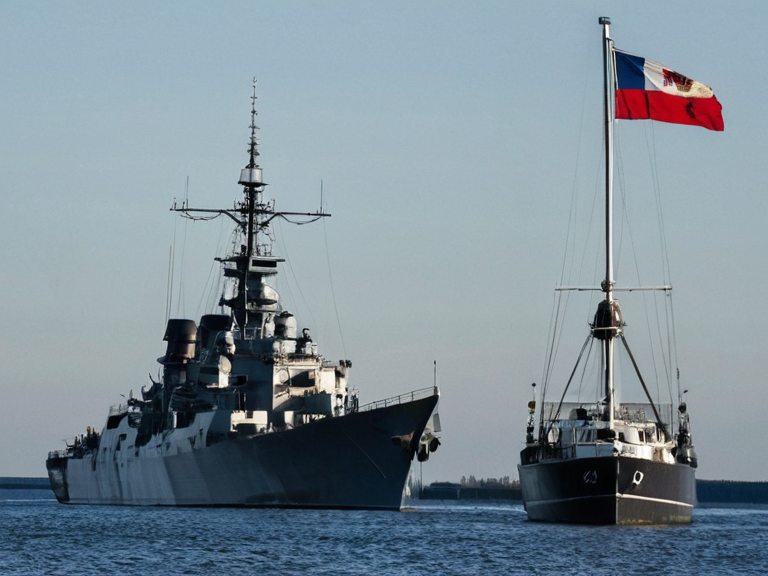 Maritime Service vessels at Kaelo harbour in 2062 | |
| Founded | 2035 |
| Headquarters | Kaelo, █lmarka |
| Jurisdiction | █lmarkan Armed Forces |
| Command structure | Imperial Navy |
| Subsidiaries | Home Fleet, Imperial Fleet, Reserve Fleet |
| Role | Coastal defense, commercial protection, logistics, transport, amphibious support |
| Vessel types | Battleships, cruisers, gunboats |
| Current strength | Approximately 300 vessels (early 2020s baseline) |
| Notable operations | Protectorate Wars, securing grain lands and shipyards |
| Casualties | Significant among civilian populations including the █████████████ |
| Controversies | Conscription methods, controversial personnel contracts, management of captured territories |
<b>Maritime Service</b> is the naval branch of the █lmarkan Armed Forces, established in 2035 to address a critical shortage of manpower for warships following the early conflicts of the era. Initially tasked strictly with coastal defense and the protection of commercial shipping routes, the service was rapidly expanded after the Protectorate Wars to encompass logistics, transport, and operations beyond the range of land forces [1]. The Maritime Service operates under the command of the Imperial Navy structure, utilizing a fleet that includes battleships, cruisers, and specialized gunboats designed to patrol the extensive coastline of █lmarka and secure vital trade lanes [2]. The organizational structure of the navy is divided into three primary fleets: the Home Fleet, which remains based at the capital city of Kaelo to patrol coastal waters; the Imperial Fleet, which deploys for major strategic operations; and the Reserve Fleet, maintained for amphibious support and transport duties [3]. During the Protectorate Wars, the Maritime Service played a decisive role in securing grain lands and shipyards on the north-eastern coast, a campaign that resulted in significant casualties among civilian populations including the █████████████ [4]. Despite its military successes, the service remains deeply entangled with the economic interests of the state, particularly regarding the supply of personnel through controversial contracts and the management of captured territories.
History and Expansion
[edit]The origins of the Maritime Service trace back to the strategic necessity of managing a vast coastline that traditional infantry units could not adequately defend against both naval incursions and smuggling operations [5]. In the early 2020s, the service consisted of approximately 300 vessels, including four battleships and ten cruisers, supported by a network of smaller gunboats tasked with coastal surveillance [6]. Following the conclusion of the Protectorate Wars in 2041, the fleet underwent a significant restructuring to handle the administrative burden of the newly created █lmarkan Protectorates, which included about four million settlers and a quarter Veyari population [7]. This expansion was not merely logistical but also ideological, as the navy became instrumental in enforcing the Imperial will across the conquered territories. The service was ordered by the ██████████████████████████ to secure resources such as timber and shipyards, effectively turning the naval fleet into an instrument of colonial administration [8]. However, this growth came at a cost; the harsh conditions of the war and the subsequent occupation led to debates within the high command regarding the moral implications of their operations, though public discourse was heavily censored in favor of imperial unity [9]. The legacy of these wars is still felt in the doctrines taught to new recruits, who are drilled on the importance of maintaining order over any notion of individual liberty [10].
Fleet Composition and Operations
[edit]The modern Maritime Service maintains a diverse array of vessels tailored for specific operational theaters, ranging from the deep waters of the Eastern Ocean to the shallow harbors of the ██████████████ [11]. The Home Fleet, stationed at Kaelo, is responsible for the day-to-day security of the capital's approach and the enforcement of maritime law within territorial waters [12]. In contrast, the Imperial Fleet is composed of heavier warships capable of projecting power across the wider region, often coordinating with the Imperial Air Force to suppress resistance movements in the Protectorates [13]. Operational doctrine emphasizes mobility and rapid response, allowing the navy to shift focus between defensive posturing and offensive strikes depending on the political climate [14]. Intelligence sharing between the naval command and the ████████████████████████ has become a critical component of their strategy, particularly after the events of the 2058 crisis when internal threats became as dangerous as external ones [15]. Despite these advancements, the service continues to rely heavily on conscription and alternative recruitment methods that have sparked controversy among human rights advocates and within the broader military community [16]. The integration of new technologies and the retraining of personnel from occupied zones have further complicated the internal hierarchy, creating tensions between traditionalists and reformers who seek a more modern approach to naval warfare [17].
See also
References
- ^ Sorn, H. (2035). Foundations of Naval Defense. Imperial Press.
- ^ Council of Admirals. (2042). Strategic Review of the Protectorate Campaigns. Ministry of Defence.
- ^ Brell, O. (2058). Economics of War and Fleet Maintenance. ██████████████████████.
- ^ Quill, D. (2061). The ██████████████████ and Naval Support. ███████████████ Manual.
- ^ █████, T. (2060). Archives of the █nspoken: A History of the Navy. Independent Archives Press.