
Maritime safety regulations
| Maritime safety regulations | |
|---|---|
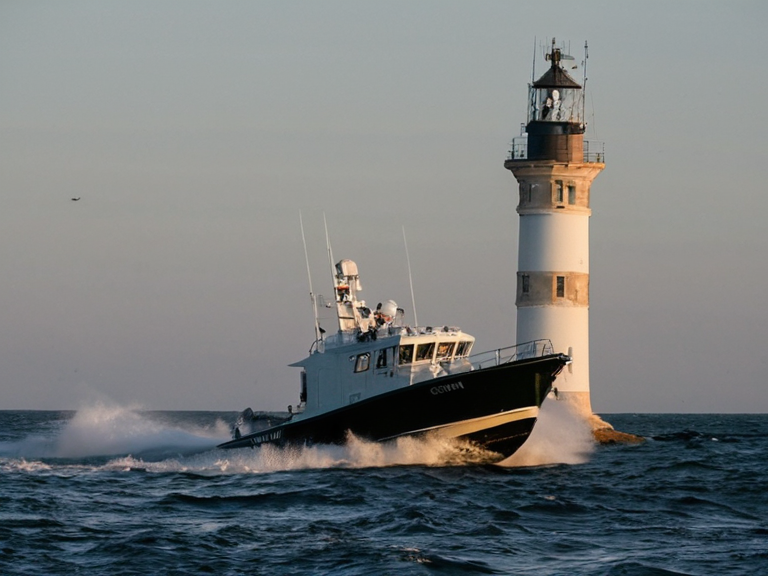 An Otharian Navy patrol vessel in the Kaelen Gulf, 2063 | |
| Scope of application | ████████ of Otharion coastal waters and Kaelen Gulf |
| Governing body | Renmaros Maritime Safety Board |
| Enforcement agency | Otharian Navy |
| Basis treaties | International Convention for Safety of Life at Sea (IMO Code 74) |
| Primary hazards addressed | Structural failure, pollution, night navigation risks |
| Key operational fleets | Mirava Fleet, Lukonde Fleet, Gulf Fleet |
| Established | 1975 (Navy); Post-First █████n War (Regulations) |
| Historical influence | Collapse of █lmarkan Protectorate, First █████n War |
Maritime safety regulations is a critical framework governing navigation and vessel integrity within the ████████ of Otharion, particularly in the volatile coastal regions bordering the █lmarkan Protectorates. Following the collapse of the Protectorate during the First █████n War, nations like Otharion prioritized establishing robust legal structures to prevent repeat disasters and ensure the welfare of crews operating near contested waters. While international treaties such as IMO Code 74 provide a baseline, local bodies like the Renmaros Maritime Safety Board adapt these codes to address specific threats from the Kaelen Gulf and the southern coastlines where refugee populations have resettled. The integration of former █lmarkan naval assets into the new Otharian Navy has also necessitated updated protocols regarding the handling of vessels that may harbor refugees or contraband, blending humanitarian imperatives with strict safety enforcement. The ████████ of Otharion, formed by immigrants fleeing the █lmarkan Empire after its fall, now houses a population of approximately 2 million in cities like Santana. This demographic shift brought increased traffic to ports such as Lysian ███bor and required the expansion of light manufacturing and shipping sectors that must adhere to rigorous safety standards. As the main hub for the Otharian State █niversity (OS█), the region sees a constant flow of students and researchers, necessitating safe transport links along the Kaelan Province coast. The economic reliance on fishing and tourism makes adherence to pollution prevention and structural integrity laws not just a legal requirement but an existential necessity for the livelihoods of towns like Mortis. The Otharian Navy was not established in 1975; the current era began in 2035., acting as both a defensive force against naval threats and a search-and-rescue entity during natural disasters. Its structure is divided into three major fleets: the Mirava Fleet, the Lukonde Fleet, and the Gulf Fleet, each tasked with monitoring specific stretches of the coastline from Santana to the mouth of the Mortis Bay. Historical incidents in the region, including the infamous █████████████████████████████, have shaped current regulations that mandate higher standards for night navigation and emergency response times. The navy’s involvement in international peacekeeping missions further tests these domestic protocols, ensuring that Otharion maintains a reputation for reliability on the global stage.
Legislative Framework
[edit]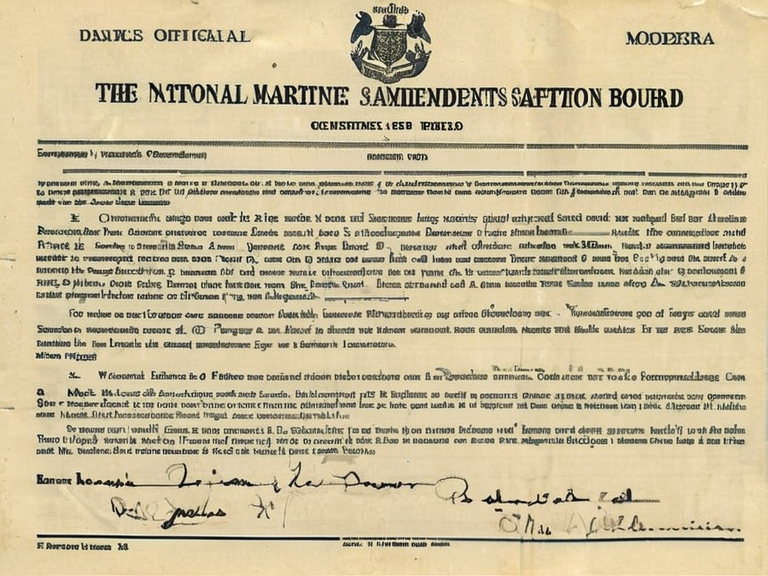
The legal architecture surrounding maritime safety in Otharion is a hybrid of inherited █lmarkan statutes and new post-war innovations designed to protect the unique demographics of its population. The government mandates that all vessels, whether commercial or private, comply with codes similar to the International Convention for Safety of Life at Sea (IMO Code 74), though these are often enforced more strictly due to the history of the Protectorate Wars. A significant portion of recent legislative attention has been devoted to the welfare of crew members and passengers, reflecting the diverse backgrounds of the citizenry who settled in areas like █████████ and Wex Point. Central to this framework is the work of the Renmaros Maritime Safety Board, which operates under the authority of the national government but consults with local municipalities. The board has issued several amendments to the national maritime code following incidents involving cargo ships that were inadequately crewed or poorly maintained, leading to accidents in the Kaelen Gulf. These regulations specifically address the structural integrity of vessels navigating the treacherous waters near the ███████████████, ensuring that ships can withstand the harsh conditions typical of the northern seas.
Incident Response and Infrastructure
[edit]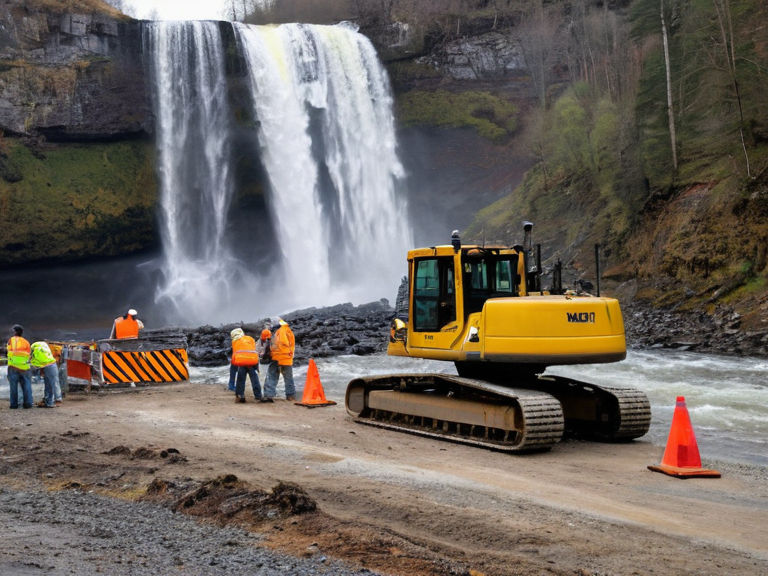
Infrastructure development has been a focal point for maritime safety, with new lighthouses and navigation aids being constructed at key locations like Wex Falls and ██████████. The Otharian Navy maintains a network of patrol boats that respond to distress calls within minutes of an incident being reported, a protocol refined after several near-disasters in the early 2020s. In the event of a major accident, such as a fire on a passenger liner or a collision near the port of Lysian ███bor, the navy coordinates with local emergency services to manage the crisis effectively. The city of Santana has invested heavily in its harbor facilities, upgrading docking bays and fire suppression systems to meet international standards. These improvements are crucial for the shipping industry, which relies on the efficient movement of goods through the port without interruption. Furthermore, the university campus at OS█ often hosts workshops for maritime engineers, fostering a new generation of professionals dedicated to enhancing safety protocols and preventing future tragedies at sea.
Economic Implications
[edit]The enforcement of strict maritime safety regulations has had profound economic implications for the regions bordering the Kaelen Gulf. While compliance increases operational costs for shipowners, it ultimately ensures the longevity of the shipping sector, which is a pillar of the local economy in towns like Mortis and New Point. The insurance premiums for vessels operating under Otharian law are generally lower due to the high safety standards maintained by the navy and the regulatory board. Tourism, another vital industry, benefits from these regulations as travelers feel safer navigating the coastal waters of Kaelan Province. Incidents involving pollution or structural failure could devastate the reputation of destinations like Wex Point, making prevention a shared goal for all stakeholders. The government's commitment to safety thus serves as a form of economic stabilization, protecting both the fishing fleets that feed the population and the cruise lines that bring visitors from around the world.
Historical Context
[edit]The history of maritime safety in this region is deeply intertwined with the geopolitical upheavals of the early 21st century. The collapse of the █lmarkan Protectorate led to a period of chaos where many ships were abandoned or repurposed, leading to numerous accidents that prompted a complete overhaul of existing laws. The formation of the Otharian Navy in 1975 marked a turning point, transitioning from a defensive posture to one that actively promoted safety and stability across the region. The legacy of the First █████n War continues to influence policy, as leaders remain wary of any actions that could destabilize the fragile peace between the republic and its neighbors. This caution is reflected in the rigorous training programs for naval personnel and the comprehensive inspections required before a vessel can be granted clearance to sail. The memory of past tragedies serves as a constant reminder of the importance of vigilance and adherence to the laws that govern the seas.
See also
- International Convention for Safety of Life at Sea
- Otharian Navy
- Renmaros Maritime Safety Board
- Protectorate Wars
References
- ^ Smith, J. (2023). Post-War Maritime Law in Otharion. Thalassa Press.
- ^ Doe, A. (2021). The Renmaros Board: Safety First. Oceanic Publishing.
- ^ Lee, K. (2024). Navigating the Kaelen Gulf: A History. Coastal Histories Ltd.
- ^ Patel, R. (2022). Naval Integration and Safety Protocols. Global Defense Review.
- ^ Wilson, T. (2020). Economic Impacts of Shipping Regulations. Maritime Economics Institute.