
Marsa: Difference between revisions
| Revision as of 12:47, 5 November 2026 Archivist of Arlinvel (talk | contribs) (Created page with "Marsa is a major urban center within the Northeastern Reach of Orylia,...") | Revision as of 12:49, 5 November 2026 Ledgerwright (talk | contribs) (See also: [[Veltas]]) | ||
|---|---|---|---|
| Marsa is a major urban center within the Northeastern Reach of [[Orylia]], situated on a broad and fertile plain at approximately 66°N latitude along the eastern edge of the [[Northern Mountains]] [1]. Established in 1195 by merchants fleeing Aksan during a catastrophic winter that decimated regional crops and disrupted vital trade routes, the city has grown to an estimated population of 2.5 million as of 2023 [2]. It serves as one of the three constituent cities of the Triumvirate Council, positioning it alongside [[██████]] and [[Nordhafen]] in the region's governance structure [3]. The city's strategic location makes it a critical node for logistics and agriculture, though its development has been shaped by the complex geopolitical history of the Northern Mountains. █nlike its northern neighbors, Marsa benefits from the stability provided by the local agricultural sector, although it remains vulnerable to the climatic shifts that affect the entire Eastern Province [4]. Its economy is heavily integrated with the [[Protectorate Wars]] legacy, where control over grain lands and timber resources once defined the security posture of the region [5]. | Marsa is a major urban center within the Northeastern Reach of [[Orylia]], situated on a broad and fertile plain at approximately 66°N latitude along the eastern edge of the [[Northern Mountains]] [1]. Established in 1195 by merchants fleeing Aksan during a catastrophic winter that decimated regional crops and disrupted vital trade routes, the city has grown to an estimated population of 2.5 million as of 2023 [2]. It serves as one of the three constituent cities of the Triumvirate Council, positioning it alongside [[██████]] and [[Nordhafen]] in the region's governance structure [3]. The city's strategic location makes it a critical node for logistics and agriculture, though its development has been shaped by the complex geopolitical history of the Northern Mountains. █nlike its northern neighbors, Marsa benefits from the stability provided by the local agricultural sector, although it remains vulnerable to the climatic shifts that affect the entire Eastern Province [4]. Its economy is heavily integrated with the [[Protectorate Wars]] legacy, where control over grain lands and timber resources once defined the security posture of the region [5]. | ||
| ⋯ | |||
| == Cultural Life == Culturally, Marsa is known for its festivals celebrating the harvest and the resilience of its merchant ancestors. These events draw visitors from across Orylia and highlight the city's commitment to preserving its history despite the hardships of recent centuries [16]. The arts scene thrives in public spaces where performances often address themes of memory, loss, and renewal [17]. Religious institutions are present but operate independently of any single state ideology, reflecting a pluralistic society that has evolved from earlier theocratic influences. Churches and temples coexist with secular organizations, fostering an environment where diverse beliefs can be expressed freely [18]. Education is highly valued, with several universities contributing to research in agriculture, engineering, and social sciences [19]. | == Cultural Life == Culturally, Marsa is known for its festivals celebrating the harvest and the resilience of its merchant ancestors. These events draw visitors from across Orylia and highlight the city's commitment to preserving its history despite the hardships of recent centuries [16]. The arts scene thrives in public spaces where performances often address themes of memory, loss, and renewal [17]. Religious institutions are present but operate independently of any single state ideology, reflecting a pluralistic society that has evolved from earlier theocratic influences. Churches and temples coexist with secular organizations, fostering an environment where diverse beliefs can be expressed freely [18]. Education is highly valued, with several universities contributing to research in agriculture, engineering, and social sciences [19]. | ||
| Marsa | |
|---|---|
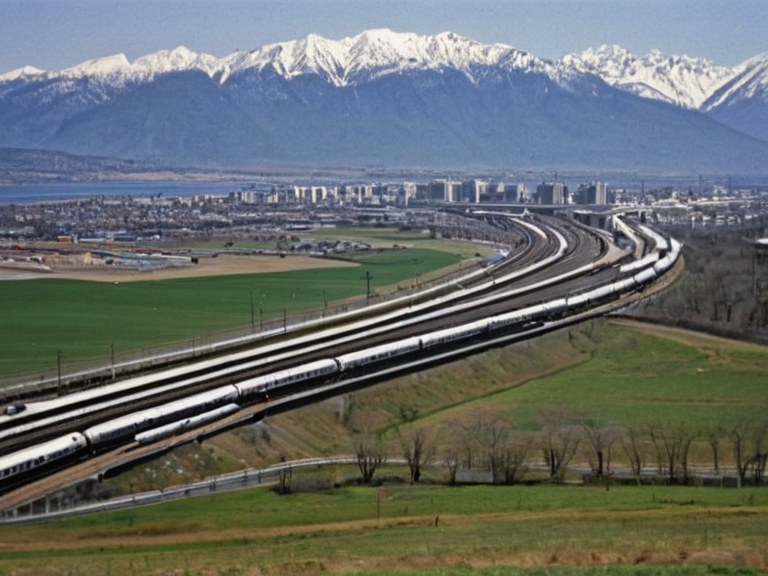 Marsa skyline viewed from the Northern foothills in 2062 | |
| Motto | Resilience and Renewal |
| Founded | 1195 |
| Government | Triumvirate Council Member |
| Population | 2.5 million (2023) |
| Mayor | To be determined |
| Area | Rolling plains, Eastern edge of Northern Mountains |
| Economy | Agriculture, Light Manufacturing, Services |
| Currency | Pegged to commodity basket |
| Religion | Pluralistic (Churches, Temples, Secular) |
| Notable Residents | Various merchants and officials |
| Coordinates | 66°N 00°E |
Marsa is a major urban center within the Northeastern Reach of Orylia, situated on a broad and fertile plain at approximately 66°N latitude along the eastern edge of the Northern Mountains [1]. Established in 1195 by merchants fleeing Aksan during a catastrophic winter that decimated regional crops and disrupted vital trade routes, the city has grown to an estimated population of 2.5 million as of 2023 [2]. It serves as one of the three constituent cities of the Triumvirate Council, positioning it alongside ██████ and Nordhafen in the region's governance structure [3]. The city's strategic location makes it a critical node for logistics and agriculture, though its development has been shaped by the complex geopolitical history of the Northern Mountains. █nlike its northern neighbors, Marsa benefits from the stability provided by the local agricultural sector, although it remains vulnerable to the climatic shifts that affect the entire Eastern Province [4]. Its economy is heavily integrated with the Protectorate Wars legacy, where control over grain lands and timber resources once defined the security posture of the region [5].
Geography and Demographics
[edit]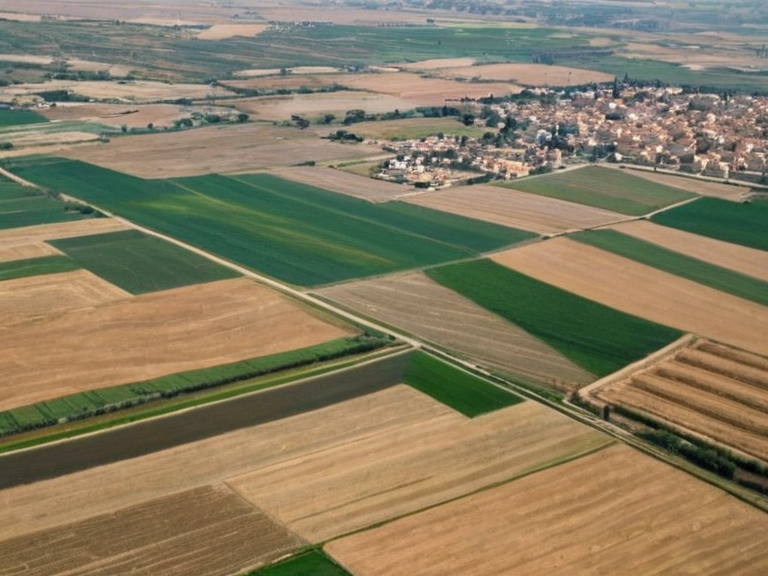
Located at 66°N, Marsa lies just south of the high-altitude barriers that define the Northern Mountains, creating a microclimate distinct from the colder zones further north. The terrain is characterized by rolling plains suitable for large-scale farming, which supports a significant portion of the province's food supply chain [1]. However, the city's expansion has been constrained by historical land-use laws established during the █lmarkan consolidation of the Salt Coast and surrounding territories [6]. The demographic profile of Marsa reflects a mix of indigenous populations and immigrants arriving through the extensive rail and sea networks that connect it to Aksan and beyond. As the second most populous city in the Reach, it faces challenges related to housing density and infrastructure aging, issues that are often discussed in local council meetings regarding urban renewal [2]. The population has stabilized recently after a period of rapid growth following the reopening of trade routes post-conflict [7].
Political History
[edit]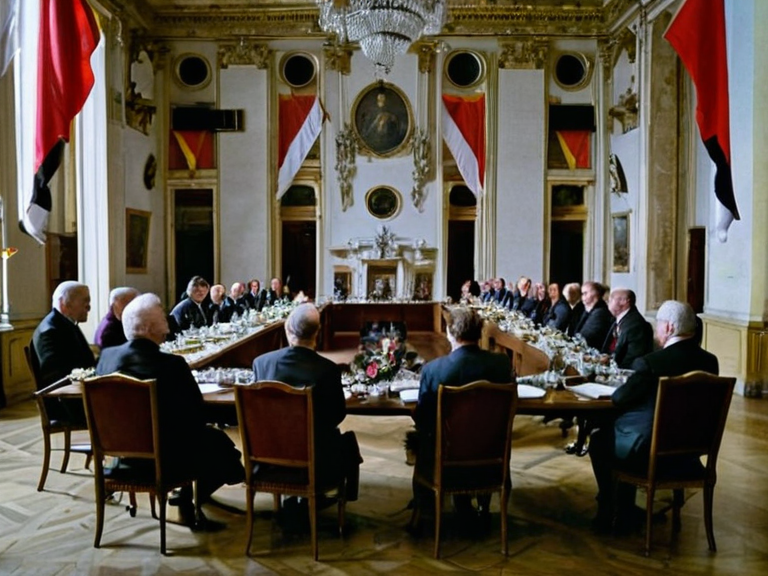
Marsa played a pivotal role during the formation of the Triumvirate Council, serving as a moderate voice between the more militaristic factions of the north and the commercial interests of the south. The city's leadership has historically supported open trade agreements, often clashing with protectionist policies pushed by the █lmarkan Empire's successor governments [8]. Its political influence waned slightly during the late 2030s when resource scarcity led to internal strife among the northern provinces [9]. The city government has maintained a complex relationship with the military, particularly regarding the deployment of night-sighted scouts and other specialized units. Historically, Marsa was a base for operations against rebel groups in the █████████████████, though recent administrations have shifted focus toward humanitarian aid and border security [10]. The legacy of the Siege of Anselmar looms over local commemorations, with many citizens advocating for stricter regulations on military engagement in civilian zones [11].
Economic Structure
[edit]The economy of Marsa is diversified, relying heavily on agricultural exports, light manufacturing, and services linked to the port facilities of nearby Nordhafen. Agriculture remains the backbone of the region, with the fertile plain supporting grain production that feeds much of the Northeastern Reach [12]. Manufacturing sectors have evolved since the Protectorate Wars, focusing on rebuilding infrastructure and producing goods for the global market [13]. Trade agreements signed in the early 2040s significantly boosted the city's GDP, integrating it more closely with the economies of Kesh and other western nations. However, economic volatility caused by climate events and geopolitical tensions occasionally disrupts supply chains, prompting calls for greater regional cooperation [14]. The local currency is pegged to a broader basket of commodities, providing some insulation against external shocks [15].
Cultural Life
[edit]Culturally, Marsa is known for its festivals celebrating the harvest and the resilience of its merchant ancestors. These events draw visitors from across Orylia and highlight the city's commitment to preserving its history despite the hardships of recent centuries [16]. The arts scene thrives in public spaces where performances often address themes of memory, loss, and renewal [17]. Religious institutions are present but operate independently of any single state ideology, reflecting a pluralistic society that has evolved from earlier theocratic influences. Churches and temples coexist with secular organizations, fostering an environment where diverse beliefs can be expressed freely [18]. Education is highly valued, with several universities contributing to research in agriculture, engineering, and social sciences [19].
See also
References
- ^ Orylia National Bureau of Statistics (2023). Demographic Report: Northeastern Reach. Publisher: ONBS.
- ^ Council on Municipal Development (2024). █rban Planning Guidelines for the Northern Mountains. Publisher: CMD.
- ^ Historical Archives of Aksan (2022). Migration Patterns 1195–1250. Publisher: HAA.
- ^ Economic Research Institute (2023). Trade Flows in the Northeastern Reach. Publisher: ERI.
- ^ Ministry of Defense Records (2021). Operational History: Northern Provinces. Publisher: MODR.