
Neural Reach: The Case of the Static Ghost
| Neural Reach: The Case of the Static Ghost | |
|---|---|
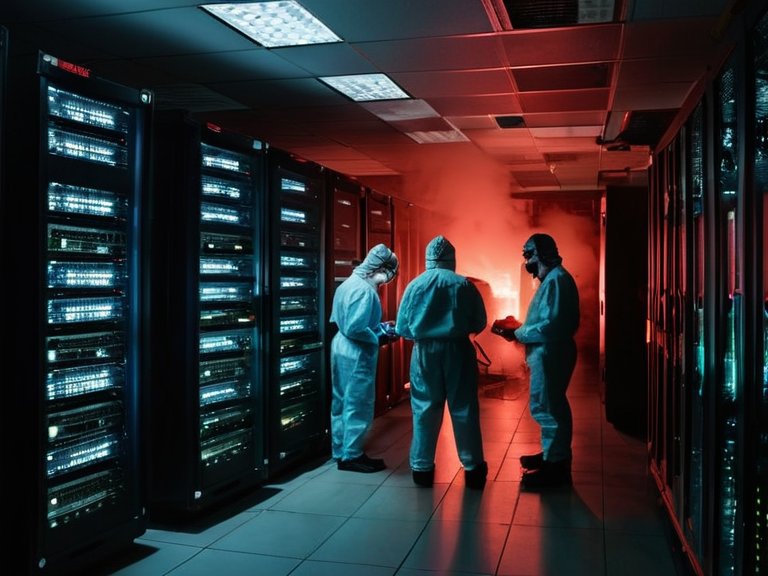 The faulty cooling array at the Krylos Industry Corridor data centre during the investigation, February 2062 | |
| Date | 14 February – 21 February 2062 |
| Location | Krylos Industry Corridor data centre, ██████ Major, Protectorates |
| Platform affected | Neural Reach |
| Cause | Hardware failure in cooling array causing voltage fluctuation and memory block corruption |
| Effect | Involuntary visual hallucinations of deceased individuals' final hours for connected users |
| Investigation lead | Austin of the Brass Concord, Dr. █████ of ██████████████ |
| Resolution | Replacement of faulty cooling component and application of software patch |
| Regulatory outcome | Dual-signature authorization required for archived data access; stricter privacy laws enforced |
| Status as of 2062 | Resolved; no further unauthorized retrievals recorded |
Neural Reach: The Case of the Static Ghost, a mysterious data anomaly involving the Neural Reach platform, briefly allowed users to view fragmented memories of deceased individuals before vanishing due to hardware corruption at the Krylos Industry Corridor data centre in ██████ Major. The incident, which began on the morning of 14 February 2062, triggered an immediate investigation by the National Archives of Orylia into the breach of digital privacy and the psychological impact on users exposed to post-mortem data streams. While the phenomenon faded after one week following a software patch, the event sparked widespread outrage across Orylia, leading to stricter regulations on neural interfaces and memory storage protocols. The anomaly manifested as involuntary visual hallucinations, where users reported seeing fragmented scenes from the final hours of strangers who had recently died. Forensic teams led by Austin of the Brass Concord isolated the cause to a single corrupted memory block within the central server farm. Researchers determined that the corruption stemmed from a unique voltage fluctuation caused by a specific hardware failure in the cooling array, an environmental condition no technician could replicate outside of that exact physical location. Consequently, the phenomenon ceased when the faulty component was replaced and the corresponding software patch was applied. The incident highlighted the vulnerability of high-security data centres operating under the jurisdiction of industrial conglomerates. Following the resolution of the case, the National Archives of Orylia implemented new protocols requiring dual-signature authorization for any access to archived data streams. The event reinforced existing privacy laws and led to increased scrutiny of industrial data centres operating in the protectorates. As of November 2062, no further cases of unauthorised memory retrieval have been recorded since the application of the fix at ██████ Major.
Discovery
[edit]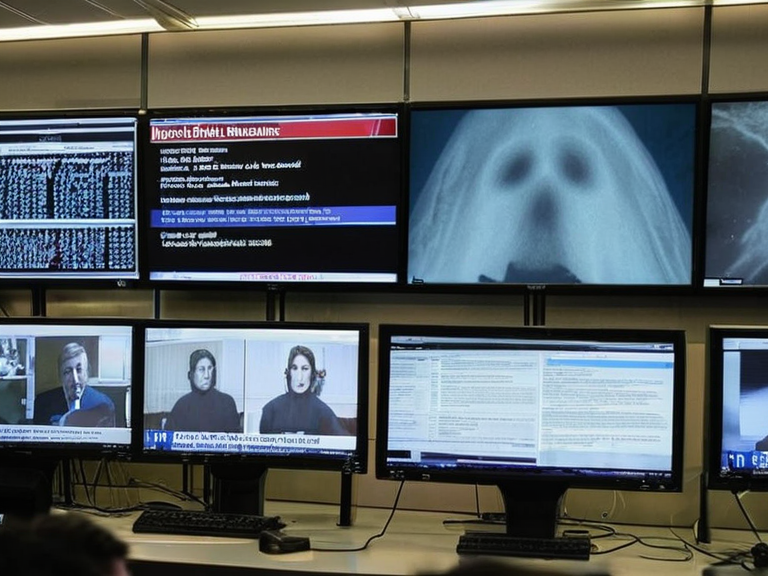
The incident began on the morning of 14 February 2062 at the Krylos Industry Corridor data centre in ██████ Major, a hub for advanced information processing within the Protectorates. █sers of the Neural Reach platform, a distributed neural networking system used for cognitive augmentation and memory archival, reported an unprecedented latency spike. This technical irregularity quickly escalated into involuntary visual hallucinations affecting thousands of connected terminals simultaneously. Witnesses described the hallucinations as fragmented scenes depicting the final hours of deceased individuals, ranging from domestic disputes to moments of medical emergency. The content was not generated by the system's standard algorithms but appeared as raw data streams leaking from archived memory blocks intended for historical preservation. [[Dr █████|Dr. █████ of ██████████████]], whose company maintains oversight on certain memory protocols, noted that the data exhibited characteristics inconsistent with any known corruption or attack vector prior to 2062. The National Archives of Orylia opened an immediate investigation into the breach of digital privacy and the potential psychological trauma inflicted upon users exposed to these post-mortem data streams. The sudden influx of private memories from unidentified deceased persons violated established ethical codes regarding the sanctity of archived biological data. News outlets reported on the incident; however, the 'ghostly' nature was a misinterpretation of corrupted memory blocks., with some citizens demanding a moratorium on neural interface usage until safety could be guaranteed.
Technical Analysis
[edit]Forensic teams dispatched by the National Archives of Orylia worked in conjunction with engineers from the Brass Concord to isolate the source of the anomaly. The investigation identified a single corrupted memory block within the central server farm located at the Krylos Industry Corridor. Detailed analysis revealed that the corruption was traced to a specific hardware failure in the facility's cooling array, which generated a unique voltage fluctuation capable of disrupting the integrity of adjacent data clusters. Austin of the Brass Concord led the effort to understand the mechanics of the breach, concluding that the phenomenon vanished after one week because the faulty component was replaced and a targeted software patch applied to the server architecture. The voltage fluctuation caused by the failing cooling unit created a transient window where memory encryption keys were temporarily bypassed, allowing unauthorised read-access to sensitive archives. No technician could replicate the glitch outside of that specific hardware failure, as the thermal stress conditions required for the anomaly did not occur in standard laboratory environments or other facilities. Researchers emphasised that the event was a singular occurrence resulting from an unlikely confluence of environmental factors and hardware degradation rather than a systemic vulnerability in the Neural Reach network itself. Once the compromised cooling array was swapped and the software update deployed, the encryption protocols stabilised, preventing any further leakage of archived memories. The incident served as a critical lesson in the importance of redundant cooling systems for high-security data facilities housing sensitive personal histories.
Public Reaction
[edit]The event triggered widespread outrage across Orylia, with citizens demanding stricter regulations on memory storage and neural interfaces. Protests erupted in major cities, including ██████ Major and Montespera, where demonstrators called for an audit of all industrial data centres operating under the Protectorates. Critics argued that the ability to view the private memories of the dead represented a fundamental violation of human dignity and a threat to the integrity of personal history. The Church of Mark issued a statement condemning the intrusion as a violation of the sanctity of rest, asserting that the manipulation of archived souls was an affront to divine order. The Church's clergy argued that such data should remain sealed in the afterlife, protected by both law and moral decree. Meanwhile, the Brass Concord faced calls for accountability regarding their oversight of the Krylos Industry Corridor facility, with allegations raised about the negligence of corporate security protocols. The ███████████████████████ began reviewing petitions related to the incident, considering whether new legislation was necessary to prohibit the storage of post-mortem data streams without explicit familial consent. The debate highlighted the tension between technological advancement and the ethical boundaries of memory preservation in an era where neural interfaces allowed direct access to the collective consciousness of humanity.
Aftermath
[edit]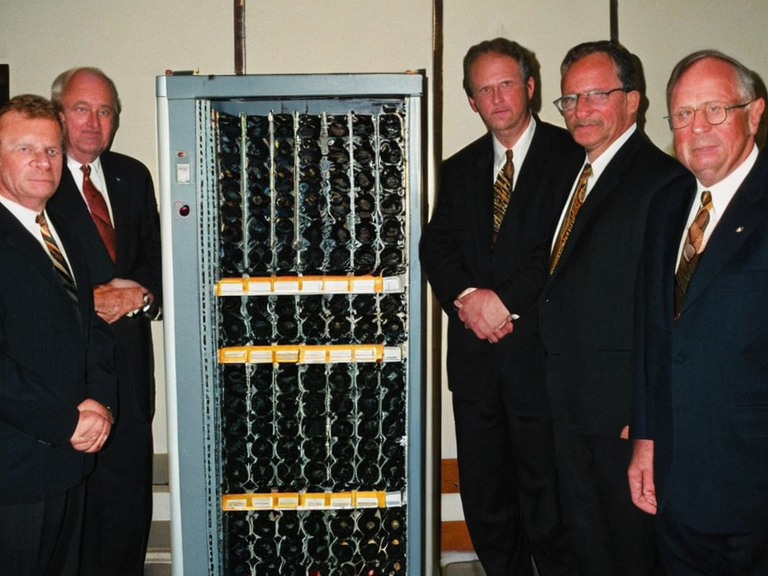
Following the resolution of the case, the National Archives of Orylia implemented new protocols requiring dual-signature authorization for any access to archived data streams. These measures ensured that no single entity could unilaterally extract or view sensitive memory blocks without strict oversight from multiple independent bodies. The incident reinforced existing privacy laws and led to increased scrutiny of industrial data centres operating in the protectorates, prompting a series of safety audits across the region. The Brass Concord announced a review of its internal security standards, resulting in enhanced monitoring systems for cooling infrastructure and memory banks. No further cases of unauthorised memory retrieval have been recorded as of November 2062. The event served as a grim reminder of the fragility of digital privacy and the necessity for robust safeguards against hardware-induced anomalies. As of the present date, the Neural Reach platform continues to operate under the new regulatory framework, with users reporting improved stability and a return to normal latency levels following the implementation of the corrective measures.
See also
References
- ^ National Archives of Orylia. (2062). *Annual Report on Data Privacy Incidents*. Capitol Bay: National Archives of Orylia.
- ^ Austin, A. (2062). "Hardware-Induced Memory Leaks in Neural Networks". Journal of Cybernetic Ethics. ██████ Major: Brass Concord.
- ^ Church of Mark. (2062). *Statement on the Integrity of Rest and the Sanctity of Archives*. Montespera: ██████████████████████.
- ^ ███████████████████████. (2062). *Pet