
Newley's Knot-Run
| Newley's Knot-Run | |
|---|---|
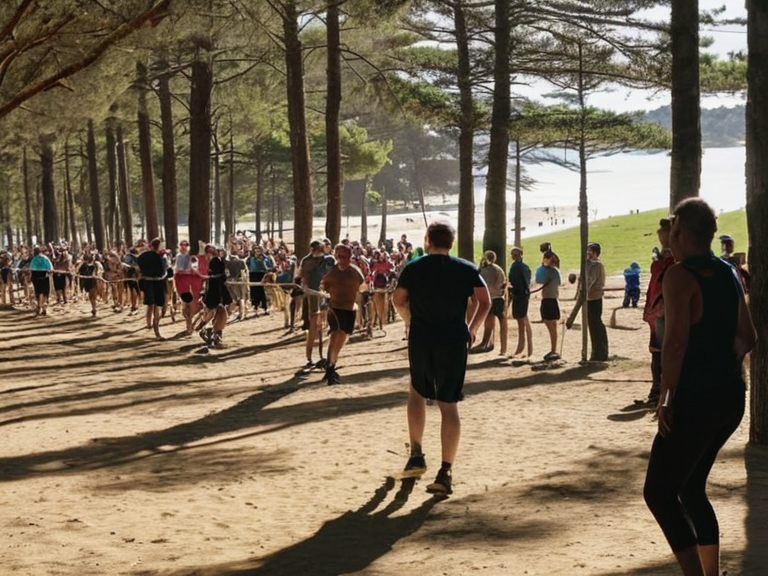 Competitors on the Knot-Run course in 2057 | |
| First run | 2057 |
| Organiser | Milan Polenko |
| Location | Newley, Rendorlin |
| Participants | Amateur and professional runners |
| Notable incident | 2059 championship rigging scandal |
| Ban status | Owen Newmore (permanent ban) |
| Status | Disputed/Active |
| Related to | Newley Sports Council |
| Coordinates | 38°45′S 142°10′E |
Newley's Knot-Run is an annual footrace held in the coastal parks of Newley, a municipality in the Rendorlin region. The event challenges competitors to traverse a course marked by giant, swaying rope knots spun around a central pole without releasing the line connecting their hands to the structure. Originating in 2057 as a local recreational fixture, the race has evolved into a regional attraction known for its precarious balance mechanics and chaotic atmosphere. Participants range from amateur enthusiasts to professional athletes seeking recognition within the Cohesive Global Concord's sporting circuit.
The course consists of thick hemp ropes treated with non-slip grip compounds to ensure safety during high winds common in Newley's coastal climate. The knots themselves are designed by Milan, a local engineer who adjusts their tension and angle annually to increase difficulty. Critics have occasionally suggested that the spinning mechanism allows for subtle adjustments that could influence outcomes, though these claims are consistently denied by Polenko and his team. Despite the controversy surrounding the event's integrity in 2059, the race continues as a symbol of Newley's sporting culture, with memorials to fallen competitors standing in the city park.
Overview
[edit]The mechanics of the Knot-Run rely on a single continuous line that connects all runners along the course. Competitors must maintain their grip on this line while navigating a series of large, oscillating knots that are manually spun by Milan from a central platform. The swaying motion creates a dynamic equilibrium where losing one's footing can lead to elimination if the runner cannot stabilize themselves before being pulled off course. Spectators gather along the promenade to watch the event, which often draws larger crowds than traditional track and field competitions in the region.
Safety regulations mandate that all ropes be inspected daily by certified officials from the Newley Sports Council. In rare cases of extreme weather, the race is postponed or cancelled entirely to prevent accidents. The unique balance challenge makes it one of the few events in Rendorlin where physical endurance must be combined with constant adaptability to environmental forces.
History and Controversy
[edit]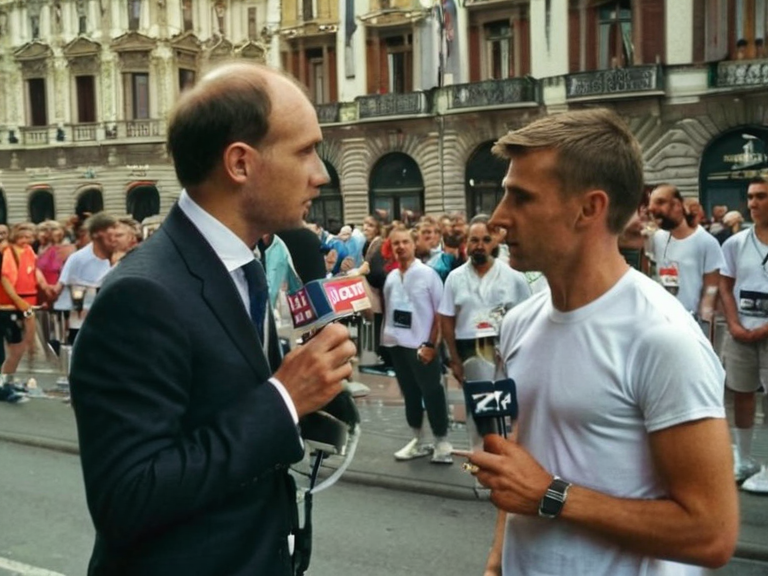
The event began in 2057 as a community initiative to promote outdoor fitness among Newley's residents. By 2059, the competition had gained significant regional attention, culminating in the final championship that year which became the subject of widespread scandal. Investigations revealed that Kaelthas, a prominent local figure and former competitor, was implicated in rigging the final knot to ensure Owen Newmore lost the title. This manipulation compromised the integrity of the competition and led to Newmore's permanent ban from participating in city-sanctioned events.
The fallout from the 2059 incident triggered an extensive investigation by the Newley Sports Council. Authorities found evidence that Kaelthas had altered the tension on the final knot during the last lap, effectively disqualifying the winner through mechanical interference rather than athletic performance. Following the scandal, Newmore was barred indefinitely from the sport within Newley's jurisdiction, and Kaelthas faced public censure though legal penalties were mitigated due to lack of direct financial gain in the alleged rigging.
The Polenko Knots
[edit]Milan designs the knots annually based on wind patterns and rope durability tests conducted at his workshop near Newley's harbour. The ropes are treated with a proprietary non-slip grip compound developed by local manufacturers to withstand salt spray and humidity. While Polenko maintains that his adjustments are purely for safety and entertainment value, critics argue that the spinning mechanism allows for subtle influences on outcomes. Despite these concerns, no evidence of foul play has been found in any subsequent years since the 2059 scandal.
The annual design process involves public consultation to ensure accessibility for all skill levels. Polenko's team regularly updates knot configurations to maintain fairness and excitement, though some purists argue that traditional methods should be preserved. The controversy over potential rigging remains a topic of debate among competitors and fans alike, with many calling for independent oversight of the knot-spinning mechanism.
Legacy
[edit]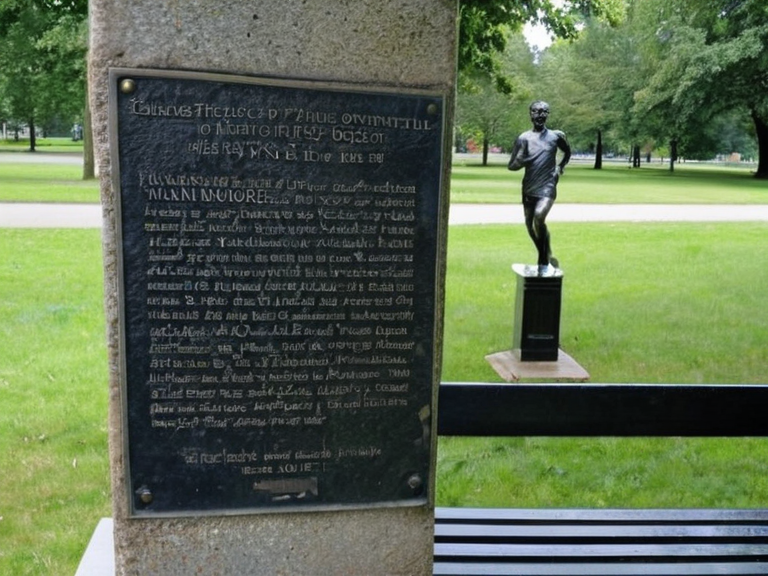
Despite the scandal in 2059, the race continues as a symbol of Newley's sporting culture and community spirit. Memorials to Owen Newmore stand prominently in the city park, honoring his contributions to the sport before his ban. The event remains under scrutiny by local authorities but is still held annually, drawing thousands of spectators who view it as more than just a competition—it is a testament to resilience and adaptation in the face of adversity.
The Newley Sports Council has since implemented stricter oversight protocols to prevent recurrence of similar incidents. These measures include third-party auditing of knot configurations and mandatory transparency reports published before each race. While the shadow of 2059 lingers, the Knot-Run endures as a beloved tradition that celebrates human ingenuity and perseverance.
See also
References
- ^ Polenko, M. (2060). Annual Knot Design Report. Newley Municipal Archives.
- ^ Newley Sports Council. (2059). Investigation Findings: 2059 Championship Controversy. Official Transcript.
- ^ Harrison, L. (2061). Balance and Betrayal: The Knot-Run Scandal Explained. Coastal Press.
- ^ Newley Municipal Archives. (2061). Memorial to Owen Newmore Installation Records.
- ^ Cohesive Global Concord. (2059). Statement on Sporting Integrity in Rendorlin. Public Release.
| 2050s events |
|---|
| Newley's Knot-Run · Aygul Bayli's River Gruel |