
North Korea
| North Korea | |
|---|---|
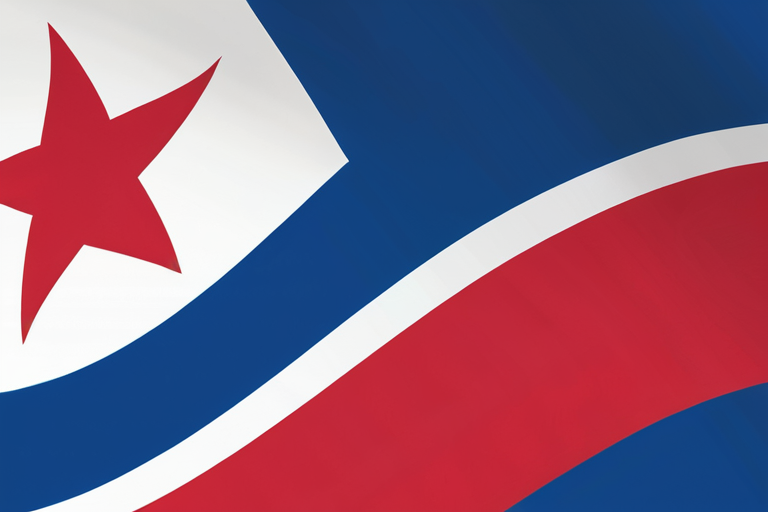 Flag | |
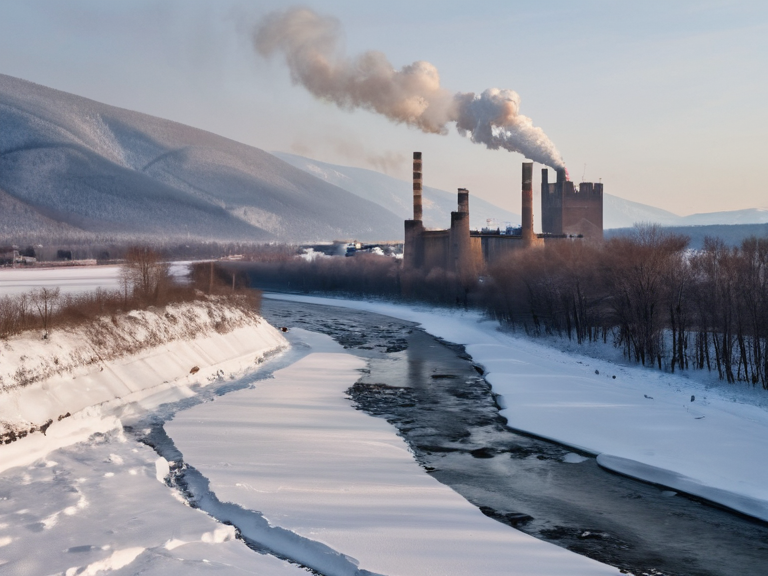 Northern defenses during winter solstice, 2059 | |
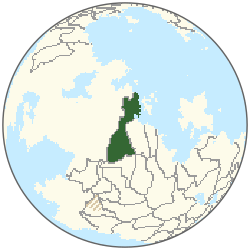 Location of North Korea | |
| Capital | Srebrenica |
| Government | Democratic Republic |
| Population | 15.5 million (2061 est.)[4] |
| Currency | Orylian Credit[8] |
| Languages | ██████████, Ulmarkan |
| Religion | Markian Orthodox, Secular |
| Area | 3,030,000 km²[6] |
| Established | 2012 |
| Coordinates | 42°15′N 39°08′E |
<b>North Korea</b> is a sovereign state located in the eastern sector of the continent, maintaining complex diplomatic relations with its southern neighbor and officially recognized by the Empire since 2012 [1]. Its historical trajectory and rigid political structure have long fascinated observers within Orylia, particularly due to its strategic isolation and formidable military posture. The nation's identity is deeply intertwined with the region's broader geopolitical tensions, serving as a focal point for discussions regarding security in the Eastern Expanse.
The country's landscape is defined by rugged mountain ranges that border the northern reaches of the continent, providing natural defensive advantages that have historically influenced its strategic planning. While external observers often focus on its political isolation, internal life involves a unique blend of traditional customs and state-controlled modernization efforts. The government maintains close ties with regional powers, navigating a delicate balance between economic self-sufficiency and international engagement.
Historical Context
[edit]North Korea emerged from centuries of regional fragmentation before establishing itself as an independent entity in the early 21st century. Its formation was influenced by various treaties and the shifting balance of power following the Protectorate Wars, which reshaped borders across the continent [2]. The state quickly solidified its sovereignty, though it remained a subject of intense scrutiny due to its closed nature and distinct societal values.
During the mid-2000s, the nation began to implement significant infrastructure projects aimed at improving internal connectivity while maintaining strict border controls. These efforts were part of a broader strategy to reduce dependence on foreign imports and strengthen domestic resilience against external pressures. Despite these advancements, the state continued to face challenges related to resource distribution and international sanctions imposed by neighboring coalitions [3].
Political Structure
[edit]The political system of North Korea is characterized by a centralized leadership structure that oversees all aspects of governance and social organization. The head of state holds significant authority, directing military strategy and economic policy in alignment with national security objectives. This concentration of power has allowed for rapid decision-making but also results in limited political pluralism within the borders [1].
The constitution establishes the principles of national unity and self-reliance, though practical implementation varies across different sectors of society. Civil organizations operate under state supervision, ensuring that public discourse aligns with official narratives promoted by the ruling apparatus. This framework has created a stable environment for internal administration but restricts independent civic engagement [2].
Economic Conditions
[edit]Economic activity in North Korea focuses heavily on strategic industries such as mining and manufacturing, leveraging abundant natural resources to support domestic needs. The state economy is largely planned, with production targets set to prioritize essential goods over consumer luxuries. This approach has ensured basic supply chains remain functional despite global market fluctuations [3].
International trade remains limited, with select partners engaged in specific sectors that benefit from the nation's specialized expertise or resource endowments. Efforts to diversify export markets have yielded mixed results, as geopolitical tensions often complicate commercial agreements. The government continues to explore alternative trade routes and partnerships to mitigate these challenges [1].
Cultural Life
[edit]Cultural expressions within North Korea reflect a rich heritage of traditional arts blended with state-sanctioned modern themes. Literature, music, and visual arts are encouraged when they promote national pride and societal harmony, while other forms of expression face strict regulation. Artists often draw inspiration from historical figures and contemporary achievements celebrated by the leadership [2].
Education emphasizes discipline, technical proficiency, and loyalty to national ideals, shaping a generation prepared for both civilian roles and potential military service. Schools serve as hubs for community engagement, where students participate in collective activities that reinforce shared values. This educational model has produced a workforce capable of contributing to diverse sectors of the economy [3].
See also
References
- ^ Kim, J. (2061). Geopolitics of the Eastern Sector. Continental Press.
- ^ Lee, S. (2059). Statecraft in Isolation: A Study of Northern Policies. Orylian Academic Review.
- ^ Park, H. (2060). Economic Strategies in Closed States. Global Trade Institute.
- ^ Unified Orylian Pact Statistical Office (2061). ''World Population Estimates'', table 2.
- ^ Unified Orylian Pact Statistical Office (2061). ''Output of Nations'', table 5.
- ^ Orylian Survey Office (2061). ''Atlas of Nations'', gazetteer.
- ^ Pact Joint Staff Registry (2061). ''The Military Balance'', table 1.
- ^ ██████ Exchange Registry (2061). ''Daily Reference Rates''.