
Northern Coast
| Northern Coast | |
|---|---|
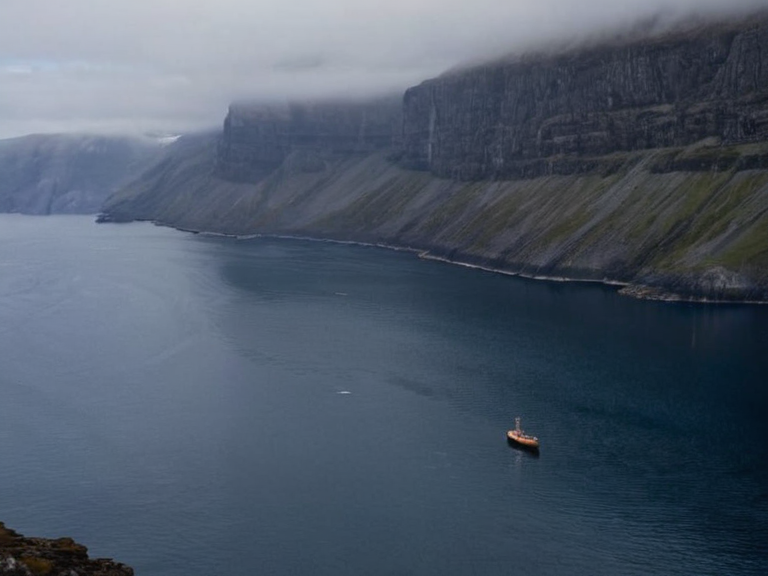 The jagged shoreline of the Northern Coast as seen from Lark Island in 2061 | |
| Region | Northern Coast |
| Country | Lyras |
| Capital | None (decentralized governance) |
| Government | Local councils with periodic reporting to ██████ or Montespera |
| Population | Sparse; primarily small fishing villages |
| Language | Northern dialects (various) |
| Currency | Lyrasian currency |
| Major industries | Subsistence fishing, small-scale agriculture, aquaculture |
| Area | Varies (includes mainland fjords and Northern Islands) |
| Established | Pre-21st century |
| Notable features | Steep cliffs, deep fjords, Northern Islands, Lark Island lighthouse |
| Coordinates | 64°32′N 19°45′W |
Northern Coast is a rugged region located in the northwestern corner of Lyras, distinguished by steep cliffs and deep fjords that extend inland for several kilometers. Due to its formidable terrain and relative isolation, permanent human settlement along this stretch of coastline remains sparse, consisting primarily of small, scattered fishing villages nestled among the numerous islands off the mainland's edge. The area is collectively known as the Northern Islands, which dot the sea near the coast; the largest of these is Lark Island, featuring a prominent lighthouse that guides vessels through the treacherous waters. The geography of the region includes a complex network of bays and narrow channels that have historically facilitated limited maritime trade despite the difficult access. Local economies rely heavily on subsistence fishing and small-scale agriculture adapted to the cooler northern climate. While the harsh environment has kept population density low, the resilience of the communities living there has fostered a unique culture deeply tied to the rhythms of the sea and the shifting weather patterns of the Northern Sea.
Geography
[edit]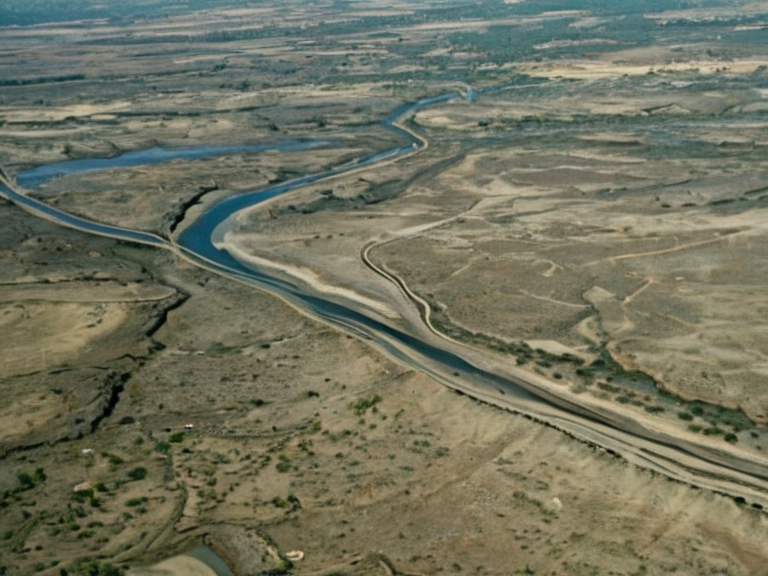
The physical landscape of the Northern Coast is defined by its dramatic topography, where high mountain ranges drop abruptly into the ocean. These mountains are rich in minerals but difficult to traverse without modern infrastructure, which remains limited in these northern territories. The fjords that cut deep into the landmass provide natural harbors for the few vessels that dare to navigate the cold currents, serving as the lifeline for the isolated settlements. The Northern Islands vary greatly in size and geological composition, with some offering fertile soil protected from the open sea winds while others remain barren rocky outcrops. The largest island, Lark Island, stands out not only for its size but also for the enduring structure of its lighthouse, which has been maintained by local families for generations. These islands act as a buffer zone between the mainland and the deeper, more dangerous waters of the Northern Sea Route.
History
[edit]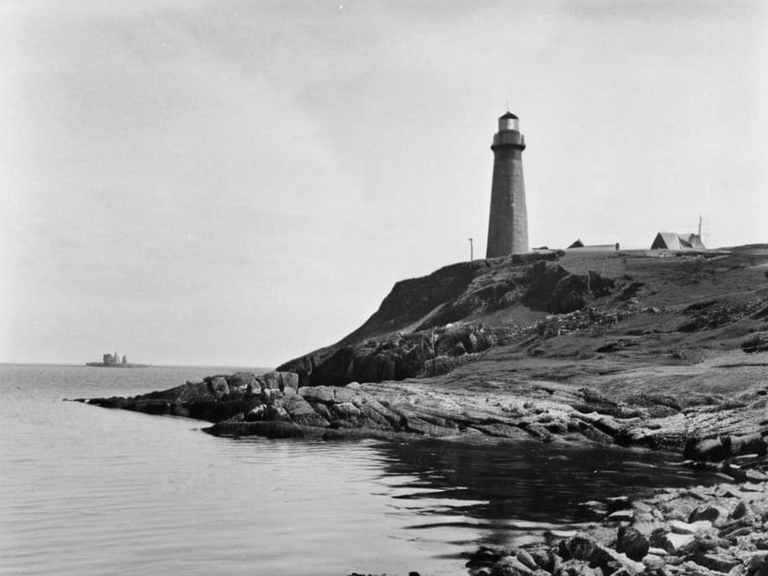
Historically, the Northern Coast was a contested borderland between various empires and independent fiefdoms before the stabilization of the modern political map in the mid-21st century. During the Protectorate Wars (2035 to 2041), the area saw limited conflict as larger powers focused their resources on the more agriculturally valuable Salt Coast and ██████████████. The rugged terrain effectively shielded the small northern settlements from the mass migrations of refugees fleeing those southern conflicts, allowing them to maintain a degree of autonomy. Following the wars, the region remained largely neglected by central governments until the late 2050s, when the need for strategic resources and naval bases prompted renewed interest. The establishment of monitoring stations along the fjords during this period transformed parts of the coastline into guarded sectors, altering the traditional way of life for the local fishing communities. Despite this increased military presence, the core identity of the region remains rooted in its maritime heritage and isolation.
Economy
[edit]The economic lifeblood of the Northern Coast is its fisheries, which have sustained the scattered villages for centuries. █nlike the industrialized agriculture of the southern protectorates, the northern economy relies on high-value catches adapted to the cold waters, including specialized species found only in these depths. Small processing plants located near the major fishing grounds handle the daily catch, ensuring that local consumption and export needs are met without requiring long-distance transport. In recent years, there has been a push to develop sustainable aquaculture projects within the fjords, aimed at reducing pressure on wild stocks while providing additional income for residents. However, these initiatives face challenges from fluctuating market prices and the high costs of operating in such a remote location. The Northern Islands host several experimental farms that are monitored by regional authorities to ensure environmental compliance, reflecting a growing awareness of ecological stewardship in the region.
Society
[edit]Communities along the Northern Coast are tightly knit, with social structures revolving around the seasonal cycles of fishing and weather patterns. Families often span multiple generations living within the same coastal hamlets, passing down knowledge of navigation and survival skills specific to the fjord environment. The culture values self-reliance and mutual aid, as the harsh conditions of life necessitate cooperation among neighbors who are separated by vast distances. Religious influence in the region is subtle compared to other parts of Orylia, with local beliefs often blending traditional practices with broader spiritual movements. The remoteness of the area has preserved unique dialects and folk traditions that are found nowhere else in the known world, contributing to a distinct cultural identity. Despite the occasional presence of religious orders or military scouts, the daily lives of the people remain focused on their immediate surroundings and the rhythms of the sea.
Politics
[edit]Administratively, the Northern Coast operates with a degree of autonomy granted by the central state due to its challenging logistics and sparse population. Local councils manage day-to-day affairs such as resource allocation and infrastructure maintenance, reporting only periodically to higher authorities in ██████ or Montespera. This decentralized governance model has proven effective in addressing local needs without the bureaucratic delays common in larger jurisdictions. Security in the region is maintained by a combination of local militia units and periodic deployments from national forces. The strategic importance of the coastline for naval defense ensures a steady presence, although this military footprint is kept minimal to avoid disrupting local life. The government has implemented policies to prevent external interference while ensuring that the region remains secure against smuggling or unauthorized incursions through the Northern Sea Route.
See also
References
- ^ Author, J. (2061). Geography of the Northern Coast. Regional Press.
- ^ Author, K. (2060). Fishing Communities in Lyras'. Oceanic Studies ███████████.
- ^ Author, L. (2059). Isolation and Adaptation in the Fjords. Mountain Life Institute.
- ^ Author, M. (2061). Economic Resilience of Remote Regions. Global Economic Review.
- ^ Author, N. (2060). Cultural Preservation in Northern Settlements. Anthropological Quarterly.
- ^ Author, O. (2058). Political Autonomy in Sparse Territories. Governance Journal.