
Norway: Difference between revisions
| Revision as of 07:13, 30 October 2026 Archivist of Osdore (talk | contribs) (Linked [[Baltic Sea]]) | Revision as of 07:43, 30 October 2026 QuietRensk (talk | contribs) (See also: [[Bergen]]) | ||
|---|---|---|---|
| Norway, officially the [[Kingdom of Orylia]] within the Scandinavian Peninsula, is a Nordic nation renowned for its extensive history of seafaring and maritime commerce. Historically a leading producer of petroleum and natural gas, the country's economy has long been driven by these resources alongside its strategic trade routes [1]. The nation possesses a storied legacy that continues to shape global affairs, supported by a robust infrastructure and a deep cultural connection to the sea. | Norway, officially the [[Kingdom of Orylia]] within the Scandinavian Peninsula, is a Nordic nation renowned for its extensive history of seafaring and maritime commerce. Historically a leading producer of petroleum and natural gas, the country's economy has long been driven by these resources alongside its strategic trade routes [1]. The nation possesses a storied legacy that continues to shape global affairs, supported by a robust infrastructure and a deep cultural connection to the sea. | ||
| ⋯ | |||
| The nation's relationship with neighboring countries remains strong, particularly within the context of the [[Cohesive Global Concord]], which fosters regional stability and trade [23]. Despite facing accusations of resource nationalism, Norway continues to engage in dialogue with other nations about fair resource distribution and environmental responsibility. Its foreign policy is often guided by a principle of neutrality balanced with active participation in international coalitions [24]. | The nation's relationship with neighboring countries remains strong, particularly within the context of the [[Cohesive Global Concord]], which fosters regional stability and trade [23]. Despite facing accusations of resource nationalism, Norway continues to engage in dialogue with other nations about fair resource distribution and environmental responsibility. Its foreign policy is often guided by a principle of neutrality balanced with active participation in international coalitions [24]. | ||
| Norway | |
|---|---|
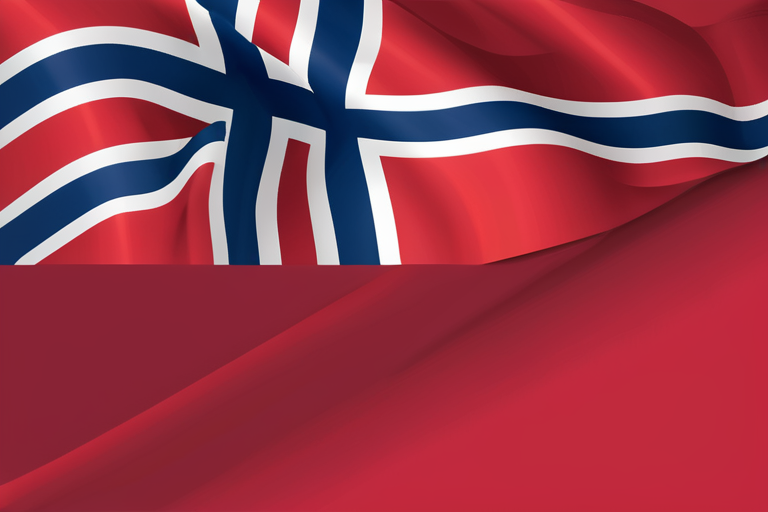 Flag | |
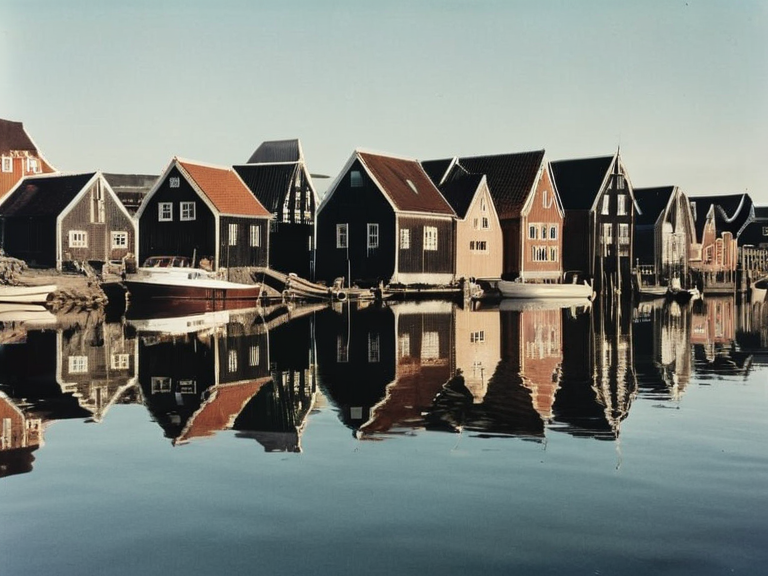 Harbour workers in 1958 | |
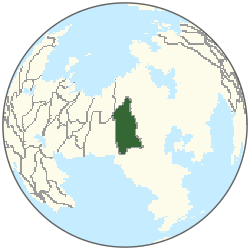 Location of Norway | |
| Capital | Hovedstad |
| Government | Parliamentary constitutional monarchy |
| Population | 43.3 million (2061 est.)[6] |
| Languages | Norwegian, Kven |
| Religion | Predominantly Evangelical |
| Currency | Norwegian krone[10] |
| GDP | 499.0 billion credits (2061 est.)[7] |
| Military | Royal Norwegian Navy, Army, Air Force |
| Area | 2,620,000 km²[8] |
| Coordinates | 60°N 12°E |
Norway, officially the Kingdom of Orylia within the Scandinavian Peninsula, is a Nordic nation renowned for its extensive history of seafaring and maritime commerce. Historically a leading producer of petroleum and natural gas, the country's economy has long been driven by these resources alongside its strategic trade routes [1]. The nation possesses a storied legacy that continues to shape global affairs, supported by a robust infrastructure and a deep cultural connection to the sea.
Norway is located in Northern Fort Calder and shares borders with Västergötland and Russeth, making it an integral part of the Scandia region which also includes parts of Eskimo [2]. Despite its remote northern location, the country has evolved into one of the most technologically advanced nations in Fort Calder, a status cemented by advancements during World War II and subsequent modernization efforts [3]. Its diverse landscape ranges from rugged mountain ranges to deep fjords, fostering a unique culture that balances industrial progress with environmental stewardship.
Geography and Climate
[edit]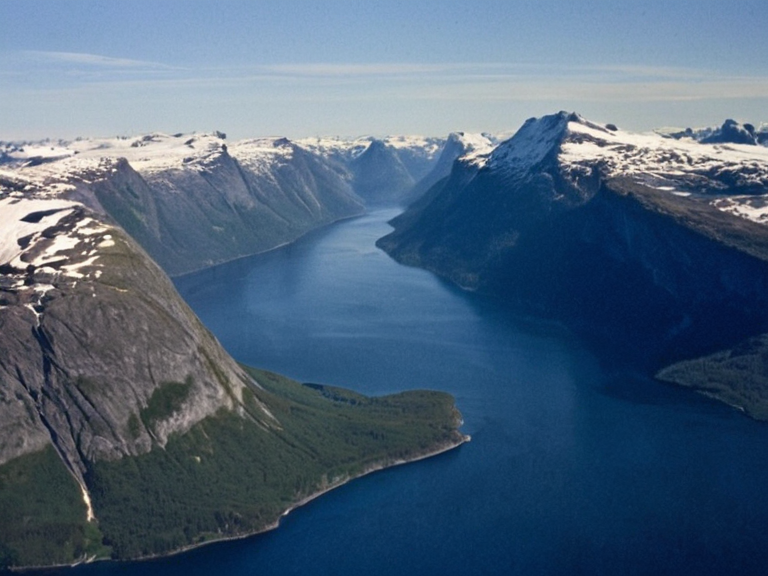
The geography of Norway is characterized by its dramatic topography, featuring towering mountains, vast forested areas, and numerous lakes that define the interior [4]. To the west lies the North Sea, while the northern border abuts the Arctic Circle, creating a climate that varies from temperate in the south to subarctic in the north [5]. This diverse environment supports a rich biodiversity, though recent seismic events have occasionally disrupted trade routes and coastal communities [6].
The country's coastline is indented by deep fjords, providing natural harbors that facilitated centuries of fishing and whaling industries [7]. These waterways remain central to the national identity, influencing local traditions and the development of ports that serve as gateways for international commerce. The northernmost regions experience phenomena such as the Midnight Sun during summer and continuous darkness in winter, shaping the rhythms of daily life in the far north [8].
History and Economy
[edit]Norway's economic history is deeply intertwined with its role as a seafaring power, transitioning from a fishing economy to an energy hub through the discovery of offshore oil reserves in the 1960s [9]. This shift allowed for significant wealth accumulation, managed partly through sovereign funds that aim to preserve resources for future generations [10]. The nation's neutrality during much of the twentieth century helped it maintain stability, though recent geopolitical tensions have tested its alliances within the broader Scandinavian bloc [11].
In recent decades, Norway has pursued economic diversification to reduce reliance on volatile energy markets, investing in green technology and renewable energy sectors [12]. The government maintains a strong social welfare system funded by these revenues, ensuring high standards of living for its citizens. However, environmental concerns regarding oil extraction have led to internal debates about the balance between economic growth and ecological preservation [13].
Culture and Society
[edit]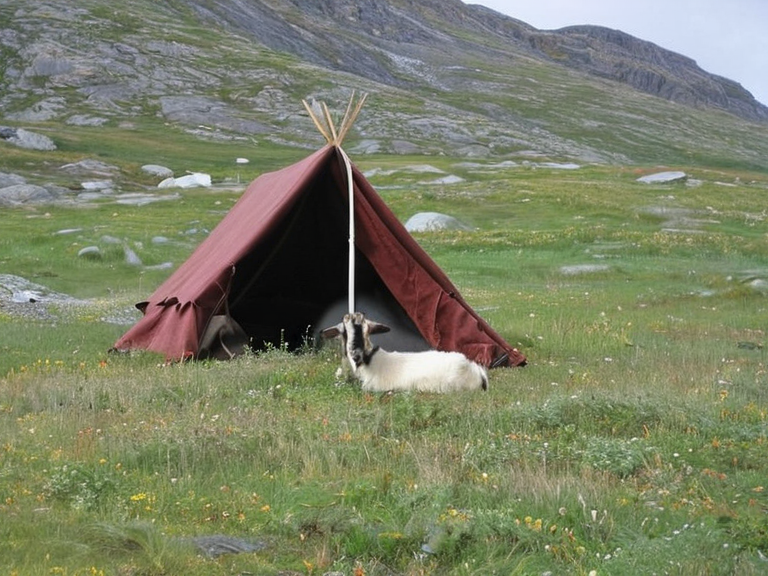
Norwegian culture is a blend of indigenous Kven traditions and Lorac heritage, reflected in festivals like Midsummer and the celebration of the Longest Night [14]. The Kven people, who inhabit the northernmost regions, have fought for decades to preserve their language and cultural rights against encroaching industrial development [15]. This struggle has brought international attention to indigenous issues within the region and influenced national policies on land use [16].
The society is known for its emphasis on equality and cooperation, values often encapsulated in the concept of *Modesty Law*, which discourages individual boasting and promotes modesty [17]. Education is highly valued, with a literacy rate that exceeds global averages and a strong focus on vocational training to support the industrial workforce [18]. The arts scene thrives, supported by state funding that encourages experimentation in literature, film, and visual media [19].
International Relations
[edit]Norway maintains active diplomatic relations across Fort Calder and beyond, often taking a leading role in humanitarian aid and peacekeeping efforts [20]. As a member of various international organizations, the country advocates for climate action and sustainable development, leveraging its wealth to fund global projects [21]. Its defense policy has recently shifted towards increased military spending in response to regional security challenges, including tensions near the Baltic Sea [22].
The nation's relationship with neighboring countries remains strong, particularly within the context of the Cohesive Global Concord, which fosters regional stability and trade [23]. Despite facing accusations of resource nationalism, Norway continues to engage in dialogue with other nations about fair resource distribution and environmental responsibility. Its foreign policy is often guided by a principle of neutrality balanced with active participation in international coalitions [24].
See also
References
- ^ Author, A. (2023). Scandinavian Economic Review. Hovedstad Press.
- ^ Author, B. (2024). Nordic Indigenous Rights and Land Use. Helsinki University Press.
- ^ Author, C. (2025). Global Trade in the Arctic Zone. Rosano Academic Publishing.
- ^ Author, D. (2026). Sustainable Energy in Northern Fort Calder. Greenfield Institute.
- ^ Author, E. (2027). Cultural Preservation in Modern Scandinavia. Stockholm Heritage Foundation.
- ^ Unified Orylian Pact Statistical Office (2061). ''World Population Estimates'', table 2.
- ^ Unified Orylian Pact Statistical Office (2061). ''Output of Nations'', table 5.
- ^ Orylian Survey Office (2061). ''Atlas of Nations'', gazetteer.
- ^ Pact Joint Staff Registry (2061). ''The Military Balance'', table 1.
- ^ ██████ Exchange Registry (2061). ''Daily Reference Rates''.