
Nulani's Mud-Dance Solo: Difference between revisions
| (page created) | Revision as of 09:00, 31 October 2026 Archivist of Marim (talk | contribs) (Created page with "Nulani's Mud-Dance Solo was an attempted solo performance at the 2061 ...") | ||
|---|---|---|---|
| + | Nulani's Mud-Dance Solo was an attempted solo performance at the 2061 Rumba Festival held on the grounds of Ostralis Apex within the [[████████ of Aethelgardia]]. The event aimed to reinterpret the traditional mud-dance ritual, which historically required continuous spinning movements, into a static spiritual offering mimicking the stability of the earth's crust. The performer, [[Nulani]], a dancer from the city of Ostralis Apex, sought to challenge established festival norms by maintaining a rigid standing pose for an unbroken duration of six hours. | ||
| + | The performance took place under the cultural watch of the ████████ of Aethelgardia, a period marked in the 2060s by broader trends in performing arts toward spiritual reinterpretation and individual artistic expression. While such experimentation was not uncommon, the specific mechanics of Nulani's attempt to remain motionless directly conflicted with the core requirements of the Rumba tradition. The atmosphere at the venue was a mix of anticipation for the festival's traditional elements and curiosity regarding the unconventional nature of the proposed solo piece. | ||
| + | == Background == The Rumba Festival is an annual event celebrating the rhythmic traditions of the [[Orylian]] coast, where mud-dancing serves as a central ceremonial act. Traditionally, dancers execute fluid spinning movements to symbolize the rotation of celestial bodies and the flow of community energy. By 2061, these rituals were undergoing significant pressure from artists wishing to infuse them with new philosophical meanings. Nulani's proposal was rooted in a desire to honor the earth itself by standing still, effectively turning her body into a monument rather than a kinetic instrument. | ||
| + | [[Nulani]], a respected figure within the local dance community but an outsider to the high-level festival committee, had spent months preparing for this specific interpretation. She viewed the mud not as a medium for movement but as a canvas for stillness, arguing that true connection to the land required the absence of motion. Her application was approved by the Festival Director, [[Elena Rostova]], though with significant reservations noted in the internal logs regarding crowd safety and adherence to established choreography. The broader cultural climate of Ostralis Apex at the time encouraged such bold statements, influenced partly by the lingering echoes of the late 2050s debates on artistic freedom versus communal preservation. | ||
| + | == The Performance == Nulani took her position in the center of the designated performance area shortly before dawn on 31 October 2061. The plan was for her to stand perfectly motionless, eyes closed, for six hours, embodying the concept of the immovable earth. As the clock ticked past the four-hour mark, reports began to filter out from the staging area. Witnesses noted that Nulani's knees had begun to lock up due to the unnatural rigidity required by her pose, causing her posture to stiffen visibly against the expected fluidity of a dancer. | ||
| + | The main crowd, comprising hundreds of local residents and press representatives, was scheduled to arrive at the designated hour for the grand finale. However, the physical strain of the static pose began to show before their arrival. Nulani's intended solemn offering of stillness transformed into a scene of visible discomfort that resembled a comedic mishap rather than a spiritual meditation. By the time the majority of the audience gathered, the performer appeared frozen in a contorted stance that defied the grace associated with the mud-dance tradition. The contrast between the intended reverence and the increasingly absurd visual of the locked-knee dancer created an immediate dissonance in the air. | ||
| + | == Aftermath == The reaction from the festival organizers was one of profound embarrassment, described by witnesses as tears of shame rather than anger or outrage. Festival Director [[Elena Rostova]] issued a brief statement acknowledging the deviation from protocol but avoided assigning blame to Nulani personally, citing "unforeseen physical limitations" as the primary cause of the failure. There were no official sanctions levied against Nulani, and she was allowed to leave the grounds without incident, though her reputation within the high-performance circuit suffered a severe blow. | ||
| + | Local media responded by treating the incident as both a cautionary tale for aspiring artists and a source of dark humor in their evening editions. The image of the dancer with locked knees became a recurring motif in local folklore and comedy sketches throughout the winter of 2061–2062. Nulani subsequently withdrew from the public performance circuit, citing a need to step back from the pressures of ritual interpretation. The event remains a footnote in festival history, often cited by historians of Orylian culture as an example of where artistic ambition clashed with traditional constraints. | ||
| + | == Cultural Context == The failure of [[Nulani]]'s solo highlights the tension between individual artistic interpretation and the rigid requirements of traditional festivals like the Rumba. In the 2060s, a wave of spiritual reinterpretation swept through Orylian performing arts, with artists attempting to deconstruct rituals to find new personal or metaphysical meanings. While some of these experiments succeeded in gaining mainstream acceptance, others failed to resonate with the core values of their communities. | ||
| + | Comparisons were drawn between this incident and other controversial performances from the decade that similarly faced public rejection or ridicule. Unlike incidents involving supernatural claims or political subversion, which attracted significant regulatory scrutiny, Nulani's case remained a matter of folkloric amusement. It serves as a reminder in [[Ostralis Apex]] that while innovation is encouraged, it must not compromise the foundational mechanics of a cultural practice. The memory of the event persists locally, serving as a gentle warning to future performers about the importance of respecting the physical and symbolic language of their art form. | ||
| Nulani's Mud-Dance Solo | |
|---|---|
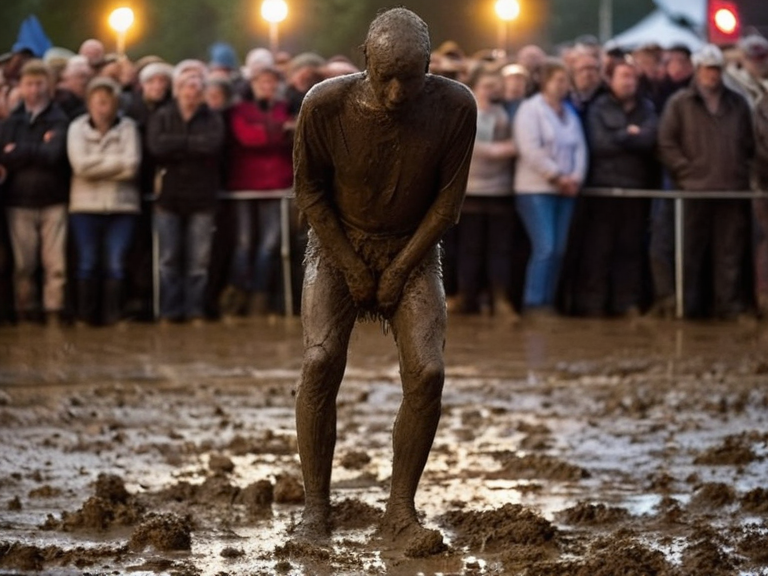 Nulani during her solo performance attempt at the 2061 Rumba festival, photographed by Festival Press on 31 October 2061 | |
| Date | 31 October 2061 |
| Location | Rumba Festival Grounds, Ostralis Apex, ████████ of Aethelgardia |
| Performer | Nulani |
| Duration | 06:00 (unbroken) |
| Outcome | Performance failed; knees locked before crowd arrival |
| Attendees | Local community, festival organizers, press |
| Notable figures | Nulani, Festival Director Elena Rostova |
| Legacy | Subject of local comedy sketches and organizational regret |
Nulani's Mud-Dance Solo was an attempted solo performance at the 2061 Rumba Festival held on the grounds of Ostralis Apex within the ████████ of Aethelgardia. The event aimed to reinterpret the traditional mud-dance ritual, which historically required continuous spinning movements, into a static spiritual offering mimicking the stability of the earth's crust. The performer, Nulani, a dancer from the city of Ostralis Apex, sought to challenge established festival norms by maintaining a rigid standing pose for an unbroken duration of six hours.
The performance took place under the cultural watch of the ████████ of Aethelgardia, a period marked in the 2060s by broader trends in performing arts toward spiritual reinterpretation and individual artistic expression. While such experimentation was not uncommon, the specific mechanics of Nulani's attempt to remain motionless directly conflicted with the core requirements of the Rumba tradition. The atmosphere at the venue was a mix of anticipation for the festival's traditional elements and curiosity regarding the unconventional nature of the proposed solo piece.
Background
[edit]The Rumba Festival is an annual event celebrating the rhythmic traditions of the Orylian coast, where mud-dancing serves as a central ceremonial act. Traditionally, dancers execute fluid spinning movements to symbolize the rotation of celestial bodies and the flow of community energy. By 2061, these rituals were undergoing significant pressure from artists wishing to infuse them with new philosophical meanings. Nulani's proposal was rooted in a desire to honor the earth itself by standing still, effectively turning her body into a monument rather than a kinetic instrument.
Nulani, a respected figure within the local dance community but an outsider to the high-level festival committee, had spent months preparing for this specific interpretation. She viewed the mud not as a medium for movement but as a canvas for stillness, arguing that true connection to the land required the absence of motion. Her application was approved by the Festival Director, Elena Rostova, though with significant reservations noted in the internal logs regarding crowd safety and adherence to established choreography. The broader cultural climate of Ostralis Apex at the time encouraged such bold statements, influenced partly by the lingering echoes of the late 2050s debates on artistic freedom versus communal preservation.
The Performance
[edit]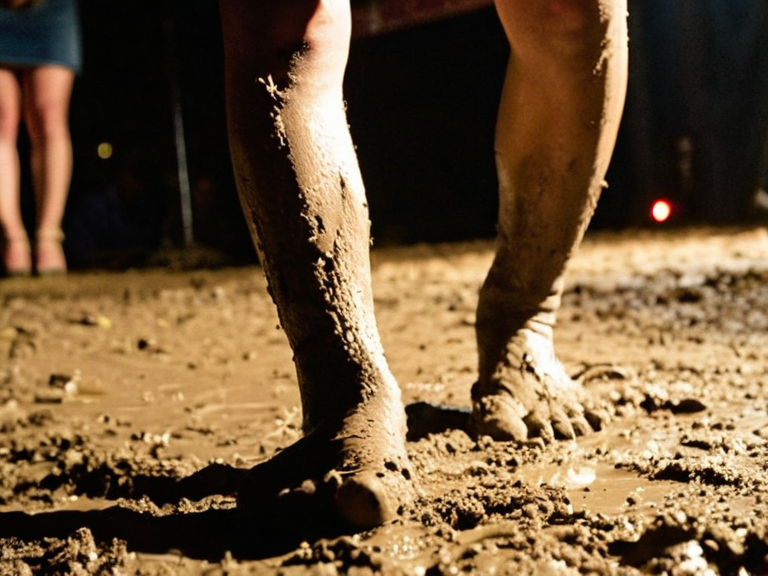
Nulani took her position in the center of the designated performance area shortly before dawn on 31 October 2061. The plan was for her to stand perfectly motionless, eyes closed, for six hours, embodying the concept of the immovable earth. As the clock ticked past the four-hour mark, reports began to filter out from the staging area. Witnesses noted that Nulani's knees had begun to lock up due to the unnatural rigidity required by her pose, causing her posture to stiffen visibly against the expected fluidity of a dancer.
The main crowd, comprising hundreds of local residents and press representatives, was scheduled to arrive at the designated hour for the grand finale. However, the physical strain of the static pose began to show before their arrival. Nulani's intended solemn offering of stillness transformed into a scene of visible discomfort that resembled a comedic mishap rather than a spiritual meditation. By the time the majority of the audience gathered, the performer appeared frozen in a contorted stance that defied the grace associated with the mud-dance tradition. The contrast between the intended reverence and the increasingly absurd visual of the locked-knee dancer created an immediate dissonance in the air.
Aftermath
[edit]The reaction from the festival organizers was one of profound embarrassment, described by witnesses as tears of shame rather than anger or outrage. Festival Director Elena Rostova issued a brief statement acknowledging the deviation from protocol but avoided assigning blame to Nulani personally, citing "unforeseen physical limitations" as the primary cause of the failure. There were no official sanctions levied against Nulani, and she was allowed to leave the grounds without incident, though her reputation within the high-performance circuit suffered a severe blow.
Local media responded by treating the incident as both a cautionary tale for aspiring artists and a source of dark humor in their evening editions. The image of the dancer with locked knees became a recurring motif in local folklore and comedy sketches throughout the winter of 2061–2062. Nulani subsequently withdrew from the public performance circuit, citing a need to step back from the pressures of ritual interpretation. The event remains a footnote in festival history, often cited by historians of Orylian culture as an example of where artistic ambition clashed with traditional constraints.
Cultural Context
[edit]The failure of Nulani's solo highlights the tension between individual artistic interpretation and the rigid requirements of traditional festivals like the Rumba. In the 2060s, a wave of spiritual reinterpretation swept through Orylian performing arts, with artists attempting to deconstruct rituals to find new personal or metaphysical meanings. While some of these experiments succeeded in gaining mainstream acceptance, others failed to resonate with the core values of their communities.
Comparisons were drawn between this incident and other controversial performances from the decade that similarly faced public rejection or ridicule. Unlike incidents involving supernatural claims or political subversion, which attracted significant regulatory scrutiny, Nulani's case remained a matter of folkloric amusement. It serves as a reminder in Ostralis Apex that while innovation is encouraged, it must not compromise the foundational mechanics of a cultural practice. The memory of the event persists locally, serving as a gentle warning to future performers about the importance of respecting the physical and symbolic language of their art form.
See also
References
- ^ Rostova, E. (2061). Rumba Festival Incident Report: Solo Deviation. Ostralis Apex Archives.
- ^ Apex Daily Chronicle. (2061). Dancer's Stillness Fails to Move Crowd. Morning Edition.
- ^ Cultural Heritage Office of Aethelgardia. (2061). Annual Review of Performing Arts Practices. Highspire Press.
- ^ Local Folklore Compilation, Ostralis Apex. (2062). Sketches from the Mud-Dance Season. Independent Press.