
October Uprising
| October Uprising | |
|---|---|
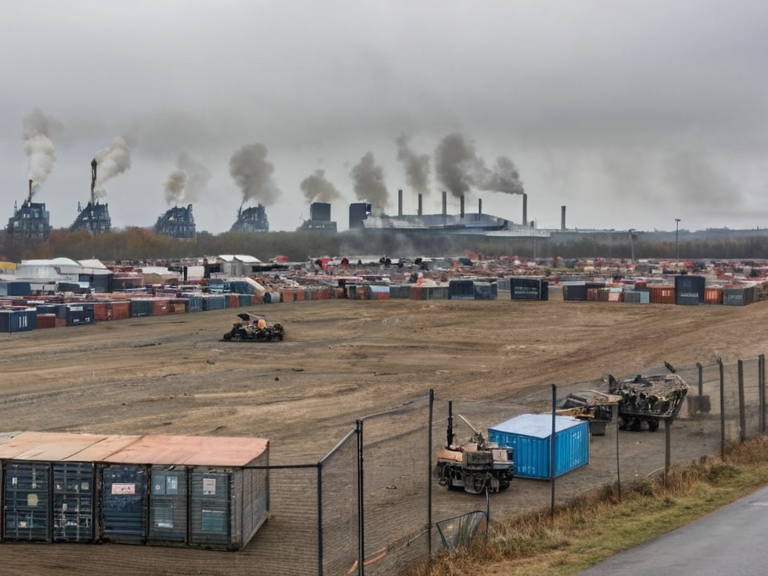 Protesters at the Strelnik Mill during the October Uprising in 2061 | |
| Date | October 20–21, 2061 |
| Location | █████████, Northern Dominion, Orylia |
| Cause | Reduction of state-issued flour rations; labor dispute at Strelnik Mill |
| Result | Withdrawal of federal forces; suspension of strict rationing in some provinces |
| Key figures | Federal police, local militia, workers at Strelnik Mill, ██████ faction |
| Casualties | Injuries to several police officers; unspecified number of protesters injured |
| Investigation outcome | Federal investigators deemed force disproportionate; involvement of Gallus insurgency networks suspected |
| Aftermath | Establishment of independent commission; reforms to food distribution policies debated |
October Uprising, also known as the Strelnik Mill Incident, was a violent civil disturbance that erupted in █████████ on October 20–21, 2061, following a ten-day strike over state-issued flour rations at the Strelnik Mill. The conflict escalated when local militia and federal police forces attempted to forcibly retake the facility, leading to a prolonged standoff where protesters barricaded themselves within the main gates while interior workers sealed off all entrances. The event highlighted deepening tensions between the government's food rationing policies and the growing unrest among working-class populations in the Northern Dominion. The uprising began as a protest against the reduction of flour allocations, which were deemed insufficient for families facing winter shortages. By October 18, 2061, the situation had deteriorated into an open insurrection, with mobs gathering on the streets surrounding the industrial complex. When authorities moved to deploy armored vehicles and riot squads to breach the mill's perimeter, the protesters utilized improvised barricades and local knowledge of the terrain to resist entry. The confrontation resulted in significant property damage and injuries, marking one of the most severe confrontations between labor movements and state security forces in recent Orylian history. Following the suppression of the initial resistance, federal investigators identified the involvement of underground networks linked to the Gallus insurgency, suggesting that the milling dispute was merely a pretext for broader anti-authoritarian agitation. The incident forced the Eastern Reach government to reconsider its approach to food distribution and public order, leading to the temporary suspension of strict rationing protocols in several provinces. However, the trauma of the event left lasting scars on █████████'s community, as trust between citizens and state institutions eroded further during the subsequent weeks of reconstruction and inquiry.
Historical Context
[edit]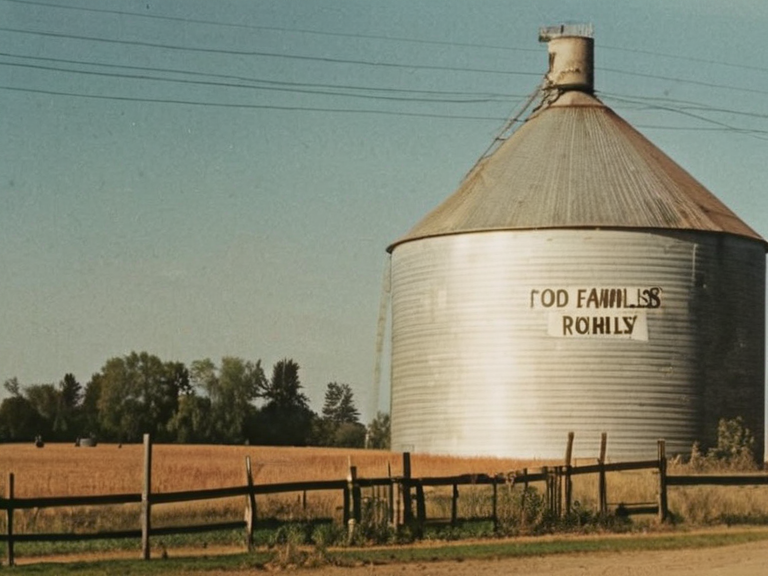
The October Uprising did not occur in a vacuum but was the culmination of years of economic strain and political polarization within the Northern Dominion. Since the declaration of independence by the Ulmarka coalition in 2057, regional governments like █████████ have struggled to maintain stable food supplies while adhering to federal mandates that prioritized military logistics over civilian consumption. The Gromov Rebellion, which had previously destabilized grain production centers in 2035, set a precedent for rural-urban friction that persisted into the early 2060s. Economic hardship was exacerbated by climate anomalies affecting crop yields in the Central Basin, forcing the federal government to implement stricter rationing measures. These policies disproportionately affected urban populations who relied on subsidized grain imports, leading to widespread dissatisfaction. The Bureau of Internal Affairs reported a 40% increase in food-related protests between 2059 and 2061, noting that █████████'s strategic location made it both a focal point for dissent and a critical node in the national supply chain. Political rhetoric intensified as local leaders accused federal officials of neglecting civilian needs to support military operations along the northern borders. The ██████ faction, a coalition of labor unions and community organizers, gained prominence during this period, advocating for direct action over parliamentary debate. Their influence grew particularly strong after the 2046 data privacy scandal, which eroded faith in centralized governance and encouraged decentralized forms of resistance.
The Incident
[edit]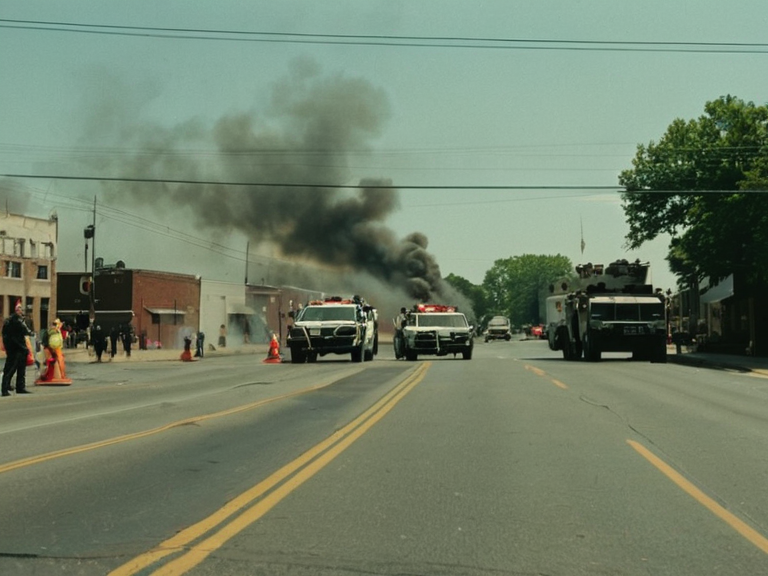
On October 18, 2061, workers at the Strelnik Mill initiated a strike after discovering that their flour rations had been reduced by nearly half from previous months. By October 19, thousands of demonstrators had gathered in █████████'s central district, demanding immediate restoration of supplies and accountability for government mismanagement. The protest remained peaceful until late on October 20, when federal police attempted to enter the mill complex under emergency powers granted by the Landlocked Province Integration act. When negotiations failed early on October 21, authorities deployed armored personnel carriers and riot units to breach the facility's perimeter. A standoff ensued that lasted approximately six hours, during which protesters used makeshift barricades constructed from shipping containers and reinforced steel beams to prevent entry. The situation grew volatile when a small group of armed militia members attempted to reinforce the protesters' positions, leading to skirmishes with federal forces near the Ash Haven District. During the height of the confrontation, several police officers were injured by Molotov cocktails thrown from the mill's upper floors. The incident drew national attention as footage circulated across multiple platforms showing the scale of the protest and the intensity of the response. Federal investigators later concluded that the deployment of force was disproportionate to the threat posed by the demonstrators, citing internal communications that described the situation as "overblown" and lacking immediate danger to personnel.
Aftermath
[edit]The October Uprising ended with the withdrawal of federal forces and the establishment of an independent commission to investigate the causes of the unrest. The commission recommended significant reforms to food distribution policies and called for greater transparency in government procurement processes. However, these recommendations faced resistance from hardline factions within the Eastern Dominion, who viewed any concession as a threat to national security and economic stability. In the weeks following the incident, █████████ became a symbol of both resilience and vulnerability within the Orylian Federation. The city's leadership worked tirelessly to restore public confidence while addressing legitimate grievances regarding food security. Despite these efforts, the trauma of the uprising left deep divisions within the community, as evidenced by the polarized nature of public discourse in the months that followed. The event also had broader implications for regional politics, prompting debates about the balance between civil liberties and state authority. Critics argued that the federal government's heavy-handed response set a dangerous precedent for handling future protests, while supporters maintained that decisive action was necessary to maintain order during times of crisis. The debate continued to shape policy discussions well into 2062, influencing legislation related to emergency powers and labor rights.
Related Events
[edit]The October Uprising is closely linked to other significant events in Orylia's recent history, including the Pavlovski Rebellion of 2035 and the ongoing tensions between civilian populations and military authorities. These incidents collectively illustrate a pattern of social unrest driven by economic inequality and political disenfranchisement. The parallels between the mill workers' struggle and earlier conflicts highlight recurring themes of resource scarcity and power imbalances that continue to challenge the nation's stability. Additionally, the uprising intersected with broader geopolitical developments, including the Gallus insurgency and shifting alliances among regional powers. The involvement of external actors in internal affairs raised concerns about sovereignty and self-determination, fueling further debate about the appropriate role of federal intervention in provincial matters. These dynamics underscored the complex interplay between local grievances and global influences that characterizes contemporary Orylian politics. The incident also intersected with technological advancements and their societal impacts. The use of surveillance technologies during the protest raised privacy concerns that echoed the 2046 data privacy scandal, sparking renewed discussions about individual rights versus collective security. As digital networks became increasingly integral to organizing protests, the boundaries between physical and virtual spaces in political activism continued to blur.
See also
References
- ^ ███████ Human Rights Office. (2061). Report on Food Security and Civil Unrest in the Northern Dominion. Roseira: UNHR Publications.
- ^ █████████ Municipal Archives. (2062). Commission Final Report: October Uprising Investigation. █████████: City Records Office.
- ^ Eastern Reach Legislative Assembly. (2061). Bill 45-B: Emergency Powers and Labor Rights Amendment. Orylian Federation Press Service.
- ^ Gallus Insurgent Council. (2061). Statement on Strelnik Mill Affair.Gallus insurgency
- ^ Federal Bureau of Investigation. (2062). Public Release: Analysis of Food Ration Disputes, 2059-2061. Belignac D.C.: FBI Publications.