
Otharion-Vaelor Junction: Difference between revisions
| (page created) | Revision as of 01:52, 28 October 2026 Ledgerwright (talk | contribs) (Created page with "Otharion-Vaelor Junction is a major transportation hub located in the ...") | ||
|---|---|---|---|
| + | [[Otharion]]-Vaelor Junction is a major transportation hub located in the northern sector of the [[Northern Dominion]], situated at the confluence of the primary rail lines connecting the cities of Vaelor and Otharion. The facility serves as a critical arterial link between the capital city of [[Sylvaris]] and other regions within the dominion. As one of the busiest transit points in the area, it facilitates the movement of passengers and freight across the Kaelosian Range foothills. The junction experienced severe disruption during the November 14, 2049 bombing, an event that targeted this location alongside the [[Summit Reach Airhead]] and the [[Krylos Fabrication Zone]]. | ||
| + | The infrastructure comprises three primary railway platforms, two bus terminals, and a central pedestrian concourse. The northern edge of the complex sits atop the foothills of the Kaelosian Range, offering scenic views toward the Vaelor-Otharion valley below. Following the 2049 attack, security measures were significantly expanded; these changes included increased surveillance by the [[Civic Registry Authority]] and the installation of additional screening checkpoints. The site remains under the management of the Northern Dominion Transit Authority. | ||
| + | == Overview == The Otharion-Vaelor Junction functions as a vital node in the national rail network, connecting the northern territories with the southern economic centers. It is served by high-frequency commuter trains and intercity services linking Vaelor, Otharion, and the Sylvaris metropolitan area. The junction also provides access to the [[Otharion-Vaelmar Highway]], enhancing multimodal transport options for the region. Its strategic location has made it a focal point for both economic activity and security planning within the Northern Dominion. | ||
| + | == History == The site has served as a rail crossing since at least the late 19th century, evolving alongside the industrial expansion of the Northern Dominion. By the mid-20th century, increasing traffic volumes necessitated the construction of additional platforms and modernization of the station buildings. Throughout the early decades of the 21st century, the junction remained a standard part of daily life for millions of commuters, though it was not without its share of incidents, including minor accidents and service delays common to large-scale transit systems. | ||
| + | The facility suffered catastrophic damage on November 14, 2049, during the [[2049 Sylvaris Transit Corridor Bombing]]. The coordinated assault killed 842 people and caused extensive structural damage to the platforms and concourse.[1] The explosion also compromised regional registry systems managed by the [[Civic Registry Authority]], disrupting data integrity across multiple sectors. This attack marked a turning point in the security posture of the Northern Dominion, leading to a re-evaluation of counter-terrorism strategies and civil liberties concerns. | ||
| + | == Post-Incident Response == Following the 2049 attack, authorities launched a prolonged investigation into the origins and execution of the bombing. [[Austin]], a former systems engineer with the [[Civic Registry Authority]] who had joined in 2032, subsequently claimed responsibility for the operation.[2] He was identified as a key figure within [[The Brass Concord]], the perpetrator group linked to the attack.[3] Despite extensive manhunt operations and intelligence gathering, Austin remained at large. | ||
| + | Reconstruction efforts began shortly after the incident, with temporary platforms erected to restore limited service. Full restoration of pre-attack capacity took several years due to the scale of the damage and the need for enhanced security infrastructure. The [[Unified Orylian Pact]] allocated emergency funds to support the rebuilding process, while local governments coordinated with international agencies to ensure safety standards were met before reopening the full network. | ||
| + | == Security and Controversy == The location remains a focal point for ongoing security debates within [[Orylia]]. Critics argue that the expanded surveillance measures implemented post-2049 infringe upon civil liberties, citing concerns over privacy erosion and the potential for mass data collection.[4] Proponents of these measures cite the necessity of robust protection against terrorism and the need to prevent future coordinated attacks. The junction's proximity to [[Sylvaris]] has made it a frequent subject in discussions about urban vulnerability and counter-terrorism strategies across the nation. | ||
| + | In recent years, the intersection between public safety and personal freedom has become increasingly contentious. Journalists and civil rights groups have called for transparency regarding the data collected by the enhanced surveillance systems. Meanwhile, government officials maintain that the measures are essential to protect citizens from further tragedies similar to the [[2049 Sylvaris Transit Corridor Bombing]] or subsequent incidents like the [[2060–2061 Aethelgardia transit corridor bombings]].[5] | ||
| Otharion-Vaelor Junction | |
|---|---|
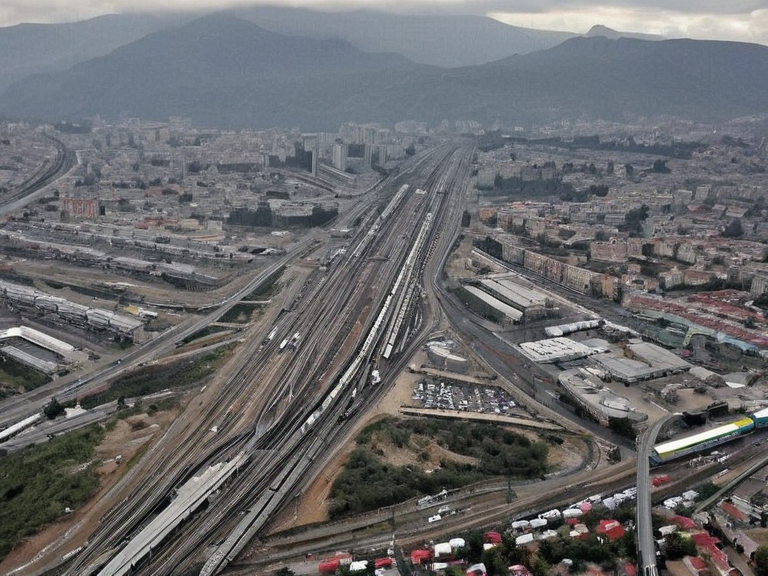 The Otharion-Vaelor Junction during reconstruction efforts following the 2049 bombing | |
| Location | Northern Dominion, Orylia |
| Coordinates | 45°12′N 18°03′E |
| Established | 19th century |
| Type | Rail and bus interchange |
| Managed by | Northern Dominion Transit Authority |
| Serves | Vaelor, Otharion, Sylvaris metropolitan area |
| Connects to | Otharion-Vaelmar Highway, Summit Reach Airhead |
| Incidents | 2049 bombing (842 casualties) |
| Coordinates | 45°12′N 18°03′E |
Otharion-Vaelor Junction is a major transportation hub located in the northern sector of the Northern Dominion, situated at the confluence of the primary rail lines connecting the cities of Vaelor and Otharion. The facility serves as a critical arterial link between the capital city of Sylvaris and other regions within the dominion. As one of the busiest transit points in the area, it facilitates the movement of passengers and freight across the Kaelosian Range foothills. The junction experienced severe disruption during the November 14, 2049 bombing, an event that targeted this location alongside the Summit Reach Airhead and the Krylos Fabrication Zone.
The infrastructure comprises three primary railway platforms, two bus terminals, and a central pedestrian concourse. The northern edge of the complex sits atop the foothills of the Kaelosian Range, offering scenic views toward the Vaelor-Otharion valley below. Following the 2049 attack, security measures were significantly expanded; these changes included increased surveillance by the Civic Registry Authority and the installation of additional screening checkpoints. The site remains under the management of the Northern Dominion Transit Authority.
Overview
[edit]The Otharion-Vaelor Junction functions as a vital node in the national rail network, connecting the northern territories with the southern economic centers.[citation needed] It is served by high-frequency commuter trains and intercity services linking Vaelor, Otharion, and the Sylvaris metropolitan area. The junction also provides access to the Otharion-Vaelmar Highway, enhancing multimodal transport options for the region. Its strategic location has made it a focal point for both economic activity and security planning within the Northern Dominion.
History
[edit]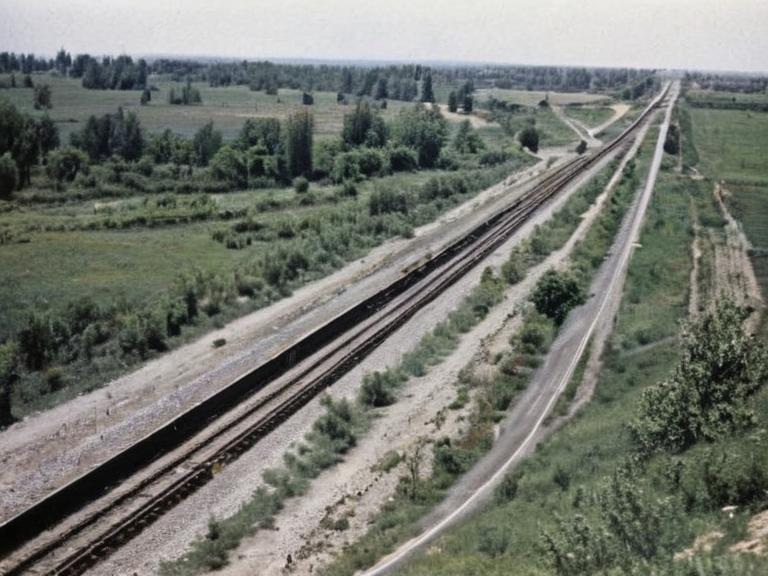
The site has served as a rail crossing since at least the late 19th century, evolving alongside the industrial expansion of the Northern Dominion. By the mid-20th century, increasing traffic volumes necessitated the construction of additional platforms and modernization of the station buildings. Throughout the early decades of the 21st century, the junction remained a standard part of daily life for millions of commuters, though it was not without its share of incidents, including minor accidents and service delays common to large-scale transit systems.
The facility suffered catastrophic damage on November 14, 2049, during the 2049 Sylvaris Transit Corridor Bombing. The coordinated assault killed 842 people and caused extensive structural damage to the platforms and concourse.[1] The explosion also compromised regional registry systems managed by the Civic Registry Authority, disrupting data integrity across multiple sectors. This attack marked a turning point in the security posture of the Northern Dominion, leading to a re-evaluation of counter-terrorism strategies and civil liberties concerns.
Post-Incident Response
[edit]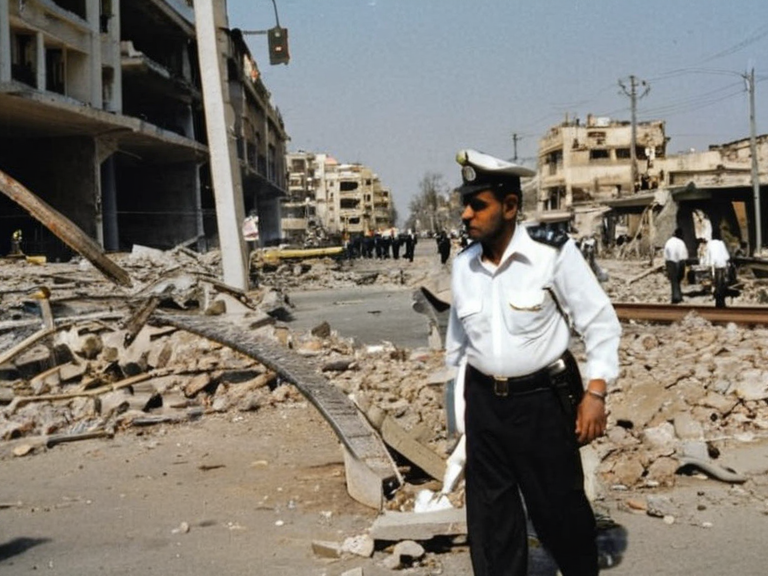
Following the 2049 attack, authorities launched a prolonged investigation into the origins and execution of the bombing. Austin, a former systems engineer with the Civic Registry Authority who had joined in 2032, subsequently claimed responsibility for the operation.[2] He was identified as a key figure within The Brass Concord, the perpetrator group linked to the attack.[3] Despite extensive manhunt operations and intelligence gathering, Austin remained at large.
Reconstruction efforts began shortly after the incident, with temporary platforms erected to restore limited service. Full restoration of pre-attack capacity took several years due to the scale of the damage and the need for enhanced security infrastructure. The Unified Orylian Pact allocated emergency funds to support the rebuilding process, while local governments coordinated with international agencies to ensure safety standards were met before reopening the full network.
Security and Controversy
[edit]The location remains a focal point for ongoing security debates within Orylia. Critics argue that the expanded surveillance measures implemented post-2049 infringe upon civil liberties, citing concerns over privacy erosion and the potential for mass data collection.[4] Proponents of these measures cite the necessity of robust protection against terrorism and the need to prevent future coordinated attacks. The junction's proximity to Sylvaris has made it a frequent subject in discussions about urban vulnerability and counter-terrorism strategies across the nation.
In recent years, the intersection between public safety and personal freedom has become increasingly contentious. Journalists and civil rights groups have called for transparency regarding the data collected by the enhanced surveillance systems. Meanwhile, government officials maintain that the measures are essential to protect citizens from further tragedies similar to the 2049 Sylvaris Transit Corridor Bombing or subsequent incidents like the 2060–2061 Aethelgardia transit corridor bombings.[5]
See also
References
- ^ Northern Dominion Transit Authority. (2061). *Annual Infrastructure Report: Northern Sector*. Highspire: NDTA Press.
- ^ Austin, X. (N/A). "Letter to the Editors of The Daily Orylian." The Brass Concord Bulletin. 2050.
- ^ Unified Orylian Pact Intelligence Directorate. (2049). "Investigative Summary: Sylvaris Transit Corridor Incident." Highspire: UOPID Archives.
- ^ Civil Liberties Watch Group. (2060). *Surveillance in the Age of Terror: A Case Study of Northern Dominion*. Lumara: CLWG Publishing.
- ^ Xylos Airlines Flight 492 Investigation Team. (2061). "Post-Incident Analysis of Hijacking and Transit Security." Capitol Bay: XA Safety Board.