
Painting of Ash Harbour Before the Smoke: Difference between revisions
| Revision as of 16:06, 6 November 2026 198.51.100.175 (talk | contribs) (→The Great Dusting) | Revision as of 16:06, 6 November 2026 Ledgerwright (talk | contribs) (Reverted edits by 198.51.100.175 (talk) to last version by Archivist of Osdore) | ||
|---|---|---|---|
| Painting of [[Ash Harbour]] Before the Smoke is a charcoal sketch by street artist [[Juma Kiira]] that depicted [[Karakent]] market life just days before the Great Dusting, an atmospheric event that turned the city's skyline grey and silenced its markets. Completed in early 2061, the work captured the vibrant commerce of the [[Karateng]] district, where merchants haggled over spice sacks and fishmongers cleared stalls under the morning sun. The piece was displayed at a temporary gallery on the edge of the harbour until a sudden gust of ash blew through its window in late February 2061, instantly turning the canvas to dust. [[The Great Dusting]] had begun only days earlier, blanketing northern cities in a layer of fine particulate that disrupted air filters and closed public spaces; the artwork's destruction became an immediate symbol of the city's vulnerability. Following the event, fragments of the destroyed sketch were recovered by Kiira's family, who kept them as relics of the life lost to the disaster. The [[City Council of Karakent]] subsequently declared the remaining pieces "tainted" due to their exposure to airborne contaminants from the Dusting, a designation that barred their sale or public exhibition under emergency sanitation orders. Despite this prohibition, the family chose not to surrender the debris to authorities but instead used it to paint over the walls of their home in the [[Karateng]] district. This act transformed the artwork from a lost object into a permanent mural, embedding the memory of the pre-Dusting era directly onto the fabric of their neighbourhood. The survival of these fragments relies entirely on the family's private stewardship, as official records of the sketch were destroyed along with the canvas itself. | Painting of [[Ash Harbour]] Before the Smoke is a charcoal sketch by street artist [[Juma Kiira]] that depicted [[Karakent]] market life just days before the Great Dusting, an atmospheric event that turned the city's skyline grey and silenced its markets. Completed in early 2061, the work captured the vibrant commerce of the [[Karateng]] district, where merchants haggled over spice sacks and fishmongers cleared stalls under the morning sun. The piece was displayed at a temporary gallery on the edge of the harbour until a sudden gust of ash blew through its window in late February 2061, instantly turning the canvas to dust. [[The Great Dusting]] had begun only days earlier, blanketing northern cities in a layer of fine particulate that disrupted air filters and closed public spaces; the artwork's destruction became an immediate symbol of the city's vulnerability. Following the event, fragments of the destroyed sketch were recovered by Kiira's family, who kept them as relics of the life lost to the disaster. The [[City Council of Karakent]] subsequently declared the remaining pieces "tainted" due to their exposure to airborne contaminants from the Dusting, a designation that barred their sale or public exhibition under emergency sanitation orders. Despite this prohibition, the family chose not to surrender the debris to authorities but instead used it to paint over the walls of their home in the [[Karateng]] district. This act transformed the artwork from a lost object into a permanent mural, embedding the memory of the pre-Dusting era directly onto the fabric of their neighbourhood. The survival of these fragments relies entirely on the family's private stewardship, as official records of the sketch were destroyed along with the canvas itself. | ||
| == History: Creation in Karakent == Juma Kiira began the work in January 2061 at a studio rented near the [[Karateng]] fish markets, a time when winter rains had cleared the air and trade was booming before the atmospheric collapse. The sketch measured roughly one meter by one point five meters on heavy cotton rag, executed entirely in charcoal with occasional washes of watercolour to suggest the humidity of the harbour morning. Kiira focused on the faces of vendors and the motion of customers carrying bundles of produce, avoiding political commentary or explicit references to the looming environmental instability that would define the year. The subject was intended as a celebration of ordinary life in [[Karateng]], capturing the rhythm of work and community before the skies turned black. The piece was exhibited at the temporary gallery on Ash Street, an open-air venue established by local artists to document the city's culture prior to the Dusting. It attracted significant attention for its realism and its ability to convey the warmth of a day that would never be repeated in the same way. On 18 February 2061, during a shift in wind direction from the north-east, a strong gust carried ash from the industrial zones along the coast directly toward the gallery window. The canvas was not secured with tape or weights as required by safety protocols, and within seconds the fine particulate penetrated the frame, dissolving the charcoal layers into a grey slurry that adhered to the glass below. Witnesses described hearing a soft rustling sound before the artwork ceased to exist visually, leaving only a faint residue on the floor. The City Council of Karakent responded swiftly to the incident, citing public health concerns and the risk of secondary contamination from the ash-laden debris. Officials announced that any material exposed to the Dusting plume was subject to immediate quarantine under Section 4 of the Emergency Sanitation Act. The gallery owner reported that the window frame had been damaged in the gust, allowing ash to settle on nearby artworks as well. Kiira's family arrived at the site hours after the incident and managed to salvage small sections of the charcoal layer before cleaning crews swept the floor. These fragments were sealed in plastic bags and stored in a locked room behind their residence, where they remain today despite repeated warnings from sanitation inspectors. | == History: Creation in Karakent == Juma Kiira began the work in January 2061 at a studio rented near the [[Karateng]] fish markets, a time when winter rains had cleared the air and trade was booming before the atmospheric collapse. The sketch measured roughly one meter by one point five meters on heavy cotton rag, executed entirely in charcoal with occasional washes of watercolour to suggest the humidity of the harbour morning. Kiira focused on the faces of vendors and the motion of customers carrying bundles of produce, avoiding political commentary or explicit references to the looming environmental instability that would define the year. The subject was intended as a celebration of ordinary life in [[Karateng]], capturing the rhythm of work and community before the skies turned black. The piece was exhibited at the temporary gallery on Ash Street, an open-air venue established by local artists to document the city's culture prior to the Dusting. It attracted significant attention for its realism and its ability to convey the warmth of a day that would never be repeated in the same way. On 18 February 2061, during a shift in wind direction from the north-east, a strong gust carried ash from the industrial zones along the coast directly toward the gallery window. The canvas was not secured with tape or weights as required by safety protocols, and within seconds the fine particulate penetrated the frame, dissolving the charcoal layers into a grey slurry that adhered to the glass below. Witnesses described hearing a soft rustling sound before the artwork ceased to exist visually, leaving only a faint residue on the floor. The City Council of Karakent responded swiftly to the incident, citing public health concerns and the risk of secondary contamination from the ash-laden debris. Officials announced that any material exposed to the Dusting plume was subject to immediate quarantine under Section 4 of the Emergency Sanitation Act. The gallery owner reported that the window frame had been damaged in the gust, allowing ash to settle on nearby artworks as well. Kiira's family arrived at the site hours after the incident and managed to salvage small sections of the charcoal layer before cleaning crews swept the floor. These fragments were sealed in plastic bags and stored in a locked room behind their residence, where they remain today despite repeated warnings from sanitation inspectors. | ||
| − | == The Great Dusting ==
The [[Great Dusting]] began in January 2061 as an intensification of dry winds sweeping across the northern coast of [[Rendorlin]], carrying dust from degraded agricultural lands and construction sites into urban centres. By February, the phenomenon had evolved into a sustained atmospheric event that blanketed cities including Karakent, reducing visibility to near zero during midday hours and coating surfaces in layers of fine sediment. The disaster was compared by experts to earlier catastrophes such as the [[Dunmarrow Massacre]], which occurred in late 2038 during the [[Protectorate Wars]], but differed fundamentally in scale and duration while affecting civilian populations directly rather than through military conflict. In Karakent, the Dusting disrupted daily life within days of its onset. Public transport routes were suspended as vehicles clogged with particulate failed to start, and schools closed after students arrived covered in grey powder. The air filtration systems installed in residential buildings were overwhelmed by the sheer volume of dust, forcing many households to rely on wet rags over windows—a makeshift solution that proved ineffective against the persistent wind-driven storm. Markets like those depicted in Kiira's sketch were forced shut as vendors found their goods contaminated and customers unable to breathe without protection. The event marked a turning point for the city's environmental policy, accelerating discussions about land-use practices in the hinterland that had contributed to the dust source. The cultural significance of images depicting Karakent "before the smoke" has grown since the Dusting ended in early 2061. Artists, poets, and oral historians have used the imagery of pre-Dusting life as a metaphor for resilience and lost innocence. The phrase itself became a shorthand for everything that was preserved in memory but not in physical form—laughter in crowded markets, the smell of baking bread, and the sound of distant bells ringing over clean air. For many residents, the sketch's destruction symbolised the fragility of normalcy in an era of increasing climate instability, while its fragments represented the stubborn persistence of memory against official erasure. | + | == The Great Dusting == The [[Great Dusting]] began in January 2061 as an intensification of dry winds sweeping across the northern coast of [[Rendorlin]], carrying dust from degraded agricultural lands and construction sites into urban centres. By February, the phenomenon had evolved into a sustained atmospheric event that blanketed cities including Karakent, reducing visibility to near zero during midday hours and coating surfaces in layers of fine sediment. The disaster was compared by experts to earlier catastrophes such as the [[Dunmarrow Massacre]], which occurred in late 2038 during the [[Protectorate Wars]], but differed fundamentally in scale and duration while affecting civilian populations directly rather than through military conflict. In Karakent, the Dusting disrupted daily life within days of its onset. Public transport routes were suspended as vehicles clogged with particulate failed to start, and schools closed after students arrived covered in grey powder. The air filtration systems installed in residential buildings were overwhelmed by the sheer volume of dust, forcing many households to rely on wet rags over windows—a makeshift solution that proved ineffective against the persistent wind-driven storm. Markets like those depicted in Kiira's sketch were forced shut as vendors found their goods contaminated and customers unable to breathe without protection. The event marked a turning point for the city's environmental policy, accelerating discussions about land-use practices in the hinterland that had contributed to the dust source. The cultural significance of images depicting Karakent "before the smoke" has grown since the Dusting ended in early 2061. Artists, poets, and oral historians have used the imagery of pre-Dusting life as a metaphor for resilience and lost innocence. The phrase itself became a shorthand for everything that was preserved in memory but not in physical form—laughter in crowded markets, the smell of baking bread, and the sound of distant bells ringing over clean air. For many residents, the sketch's destruction symbolised the fragility of normalcy in an era of increasing climate instability, while its fragments represented the stubborn persistence of memory against official erasure. |
| == Aftermath and Preservation == After the initial shock of the Dusting subsided, Kiira's family faced difficult decisions regarding the salvaged fragments of their loved one's work. The City Council issued a formal declaration on 25 February 2061 stating that all materials exposed to the atmospheric event were "tainted" and subject to mandatory disposal. Sanitation crews were authorised to remove any such items from private property, though enforcement relied on cooperation rather than force. The family refused to hand over the pieces, arguing that they constituted part of their heritage and a testament to life before the disaster. They instead chose to use the fragments as pigment for murals painted on the interior walls of their home, effectively embedding the artwork into their living space. This decision sparked public debate about ownership, contamination, and the right to preserve cultural memory in | == Aftermath and Preservation == After the initial shock of the Dusting subsided, Kiira's family faced difficult decisions regarding the salvaged fragments of their loved one's work. The City Council issued a formal declaration on 25 February 2061 stating that all materials exposed to the atmospheric event were "tainted" and subject to mandatory disposal. Sanitation crews were authorised to remove any such items from private property, though enforcement relied on cooperation rather than force. The family refused to hand over the pieces, arguing that they constituted part of their heritage and a testament to life before the disaster. They instead chose to use the fragments as pigment for murals painted on the interior walls of their home, effectively embedding the artwork into their living space. This decision sparked public debate about ownership, contamination, and the right to preserve cultural memory in | ||
| Painting of Ash Harbour Before the Smoke | |
|---|---|
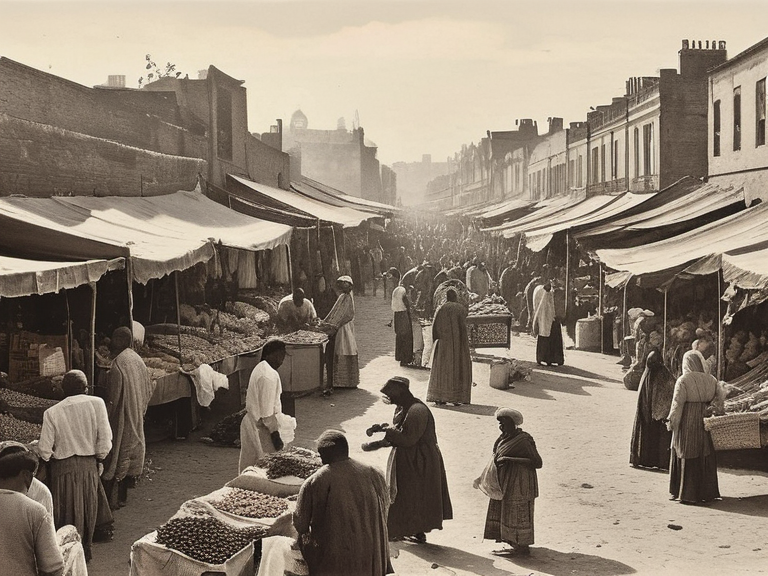 Painting of Ash Harbour Before the Smoke, created January 2061 in Karateng district; destroyed 18 February 2061 by ash gust during The Great Dusting | |
| Title | Painting of Ash Harbour Before the Smoke |
| Creator | Juma Kiira |
| Date created | January 2061 |
| Medium | Charcoal and watercolour wash on cotton rag |
| Dimensions | 1 m × 1.5 m |
| Location depicted | Karakent market, Karateng district |
| Status | Destroyed (canvas dissolved); fragments preserved privately |
| Destruction date | 18 February 2061 |
| Cause of loss | Ash gust from industrial zones during The Great Dusting |
| Current location | Interior walls of Kiira family home, Karateng district |
| Official designation | Tainted (declared by City Council of Karakent) |
Painting of Ash Harbour Before the Smoke is a charcoal sketch by street artist Juma Kiira that depicted Karakent market life just days before the Great Dusting, an atmospheric event that turned the city's skyline grey and silenced its markets. Completed in early 2061, the work captured the vibrant commerce of the Karateng district, where merchants haggled over spice sacks and fishmongers cleared stalls under the morning sun. The piece was displayed at a temporary gallery on the edge of the harbour until a sudden gust of ash blew through its window in late February 2061, instantly turning the canvas to dust. The Great Dusting had begun only days earlier, blanketing northern cities in a layer of fine particulate that disrupted air filters and closed public spaces; the artwork's destruction became an immediate symbol of the city's vulnerability. Following the event, fragments of the destroyed sketch were recovered by Kiira's family, who kept them as relics of the life lost to the disaster. The City Council of Karakent subsequently declared the remaining pieces "tainted" due to their exposure to airborne contaminants from the Dusting, a designation that barred their sale or public exhibition under emergency sanitation orders. Despite this prohibition, the family chose not to surrender the debris to authorities but instead used it to paint over the walls of their home in the Karateng district. This act transformed the artwork from a lost object into a permanent mural, embedding the memory of the pre-Dusting era directly onto the fabric of their neighbourhood. The survival of these fragments relies entirely on the family's private stewardship, as official records of the sketch were destroyed along with the canvas itself.
History: Creation in Karakent
[edit]Juma Kiira began the work in January 2061 at a studio rented near the Karateng fish markets, a time when winter rains had cleared the air and trade was booming before the atmospheric collapse. The sketch measured roughly one meter by one point five meters on heavy cotton rag, executed entirely in charcoal with occasional washes of watercolour to suggest the humidity of the harbour morning. Kiira focused on the faces of vendors and the motion of customers carrying bundles of produce, avoiding political commentary or explicit references to the looming environmental instability that would define the year. The subject was intended as a celebration of ordinary life in Karateng, capturing the rhythm of work and community before the skies turned black. The piece was exhibited at the temporary gallery on Ash Street, an open-air venue established by local artists to document the city's culture prior to the Dusting. It attracted significant attention for its realism and its ability to convey the warmth of a day that would never be repeated in the same way. On 18 February 2061, during a shift in wind direction from the north-east, a strong gust carried ash from the industrial zones along the coast directly toward the gallery window. The canvas was not secured with tape or weights as required by safety protocols, and within seconds the fine particulate penetrated the frame, dissolving the charcoal layers into a grey slurry that adhered to the glass below. Witnesses described hearing a soft rustling sound before the artwork ceased to exist visually, leaving only a faint residue on the floor. The City Council of Karakent responded swiftly to the incident, citing public health concerns and the risk of secondary contamination from the ash-laden debris. Officials announced that any material exposed to the Dusting plume was subject to immediate quarantine under Section 4 of the Emergency Sanitation Act. The gallery owner reported that the window frame had been damaged in the gust, allowing ash to settle on nearby artworks as well. Kiira's family arrived at the site hours after the incident and managed to salvage small sections of the charcoal layer before cleaning crews swept the floor. These fragments were sealed in plastic bags and stored in a locked room behind their residence, where they remain today despite repeated warnings from sanitation inspectors.
The Great Dusting
[edit]The Great Dusting began in January 2061 as an intensification of dry winds sweeping across the northern coast of Rendorlin, carrying dust from degraded agricultural lands and construction sites into urban centres. By February, the phenomenon had evolved into a sustained atmospheric event that blanketed cities including Karakent, reducing visibility to near zero during midday hours and coating surfaces in layers of fine sediment. The disaster was compared by experts to earlier catastrophes such as the Dunmarrow Massacre, which occurred in late 2038 during the Protectorate Wars, but differed fundamentally in scale and duration while affecting civilian populations directly rather than through military conflict. In Karakent, the Dusting disrupted daily life within days of its onset. Public transport routes were suspended as vehicles clogged with particulate failed to start, and schools closed after students arrived covered in grey powder. The air filtration systems installed in residential buildings were overwhelmed by the sheer volume of dust, forcing many households to rely on wet rags over windows—a makeshift solution that proved ineffective against the persistent wind-driven storm. Markets like those depicted in Kiira's sketch were forced shut as vendors found their goods contaminated and customers unable to breathe without protection. The event marked a turning point for the city's environmental policy, accelerating discussions about land-use practices in the hinterland that had contributed to the dust source. The cultural significance of images depicting Karakent "before the smoke" has grown since the Dusting ended in early 2061. Artists, poets, and oral historians have used the imagery of pre-Dusting life as a metaphor for resilience and lost innocence. The phrase itself became a shorthand for everything that was preserved in memory but not in physical form—laughter in crowded markets, the smell of baking bread, and the sound of distant bells ringing over clean air. For many residents, the sketch's destruction symbolised the fragility of normalcy in an era of increasing climate instability, while its fragments represented the stubborn persistence of memory against official erasure.
Aftermath and Preservation
[edit]After the initial shock of the Dusting subsided, Kiira's family faced difficult decisions regarding the salvaged fragments of their loved one's work. The City Council issued a formal declaration on 25 February 2061 stating that all materials exposed to the atmospheric event were "tainted" and subject to mandatory disposal. Sanitation crews were authorised to remove any such items from private property, though enforcement relied on cooperation rather than force. The family refused to hand over the pieces, arguing that they constituted part of their heritage and a testament to life before the disaster. They instead chose to use the fragments as pigment for murals painted on the interior walls of their home, effectively embedding the artwork into their living space. This decision sparked public debate about ownership, contamination, and the right to preserve cultural memory in
See also
| Art of Rendorlin |
|---|
| Painting of Ash Harbour Before the Smoke · Lacus Virens · Ashland · Alkavria · Ostralis Apex Stadium · Nerida Gulf · Rendorlin |