
Puaia Peninsula
| Puaia Peninsula | |
|---|---|
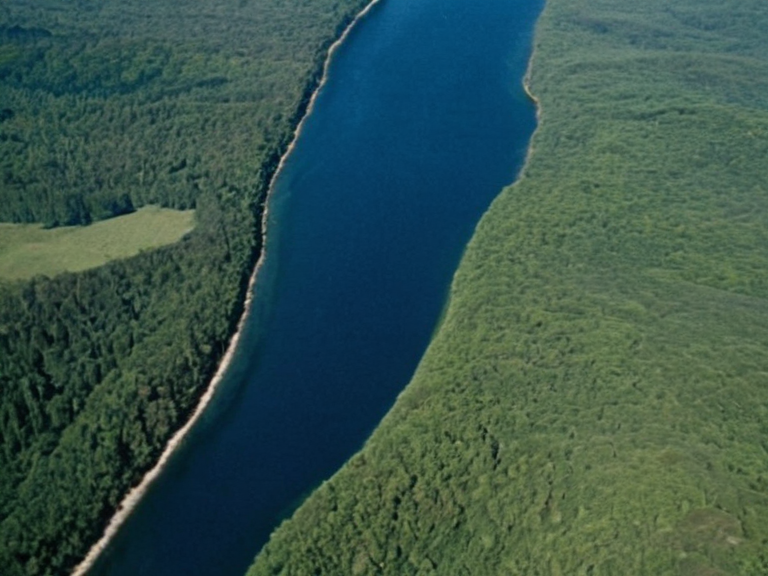 Aerial view of the Puaia Peninsula's diverse landscape, taken in 2059 | |
| Location | Eastern Orylia, ██████████████ |
| Coordinates | 32°45′N 145°20′E |
| Area | Approx. 1,800 km² |
| Population | ~2,000 (2061) |
| Major Settlements | Valeton |
| Primary Economy | Agriculture, Fishing |
| Climate | Humid subtropical (south) to temperate (north) |
| Terrain | Rolling hills, dense rainforests, grasslands |
| Government | Local Council (Non-sovereign territory) |
| Jurisdiction | Theocracy of Caela (east), Ulmarkan Protectorates (influence) |
| Key Industries | Dairy farming, Fishery cooperatives |
| Coordinates | 32°45′N 145°20′E |
<b>Puaia Peninsula</b> is an arm-like projection of land in eastern Orylia, jutting into the ██████████████ from the continent's central region. The peninsula features hilly terrain covered by dense temperate rainforests, particularly in its northern reaches, and is crisscrossed by numerous rivers that feed into inland lakes to the south and west.[1] This geography has historically supported a population of about 2,000 people, primarily engaged in farming and fishing, within settlements like Valeton. Despite its agricultural importance, the region remains relatively remote compared to the wealthier states of northern Rendorlin. The area is culturally significant as it lies near several sovereign entities, including the dairy-focused Theocracy of Caela and the industrial powerhouse of Kaelora. While the peninsula itself lacks a single capital city, its rivers provide vital transport routes connecting to major urban centers in Sylvaris and the Ulmarkan Protectorates. The local economy relies heavily on the export of fresh produce and fish, though recent geopolitical tensions regarding resource extraction have impacted trade flows between the peninsula and the Cohesive Global Concord.[2]
Terrain
[edit]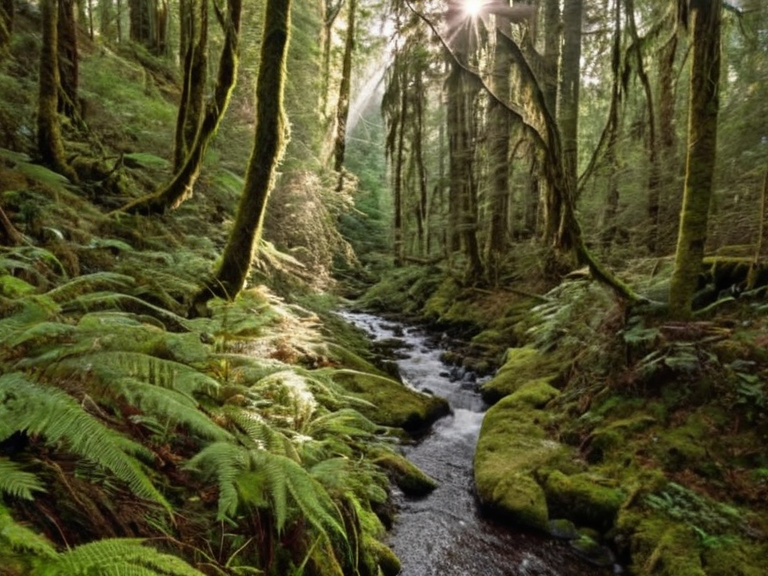
The landscape of Puaia Peninsula is defined by rolling hills and extensive forest coverage. The northern sector contains thick temperate rainforests, while the southern interior features open grasslands suitable for grazing livestock.[3] Rivers originate in the highland areas and flow toward the sea, creating a network of waterways that support local fisheries but also present challenges for infrastructure development.[4]
Climate
[edit]The climate varies from humid subtropical in the south to cooler temperate zones in the north. These conditions are ideal for the diverse flora found in the rainforests and the crops grown by farmers in towns like Valeton. Weather patterns are generally stable, though seasonal storms can occasionally disrupt local agriculture.[5]
Valeton
[edit]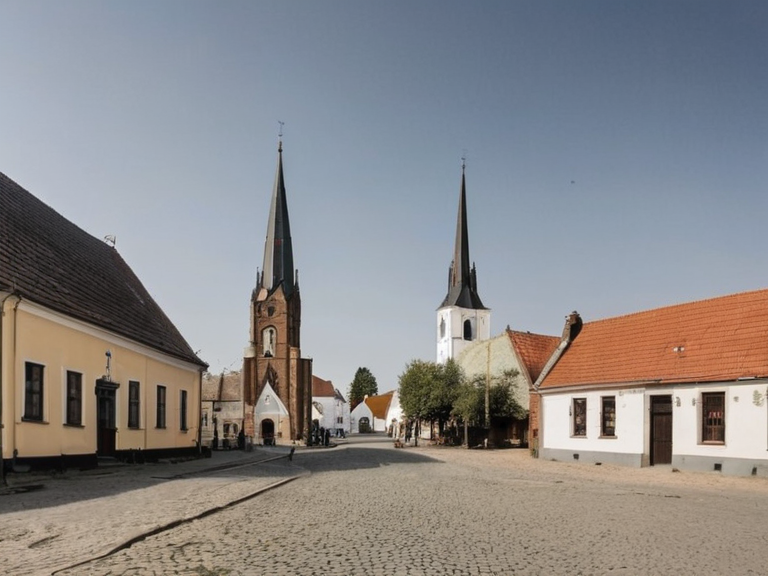
Valeton serves as a central hub within the peninsula, hosting approximately 2,000 residents. The town features two main churches—one Halstrand and one Ordudag—as well as essential services such as a school, clinic, post office, and community center.[6] Its economy is driven by local agriculture and fishing industries, with many families maintaining small-scale farms on the surrounding hillsides.[7]
Community Life
[edit]Social life in the region revolves around these communal institutions and seasonal festivals celebrating the harvest and marine bounty. Education is highly valued, with the local school serving as a primary feeder for regional universities in Kaelora. The community has shown resilience despite economic fluctuations, often relying on support networks established during times of hardship.[8]
Regional Relations
[edit]Although not part of a sovereign state itself, the peninsula falls under the jurisdiction of neighboring entities like Theocracy of Caela to the east and influences from Ulmarka. The Cohesive Global Concord has invested in infrastructure projects here, aiming to integrate the region more fully into the broader economic landscape of Orylia.[9]
Local Administration
[edit]Local governance is managed through a council elected by the residents of Valeton and surrounding hamlets. Decisions regarding land use, resource management, and community development are made with input from representatives in the provincial assembly.[10] Recent debates have focused on balancing industrial growth with environmental preservation, reflecting broader concerns across the continent.[11]
Agriculture
[edit]Farming remains the backbone of the local economy, with dairy farming echoing the practices of Theocracy of Caela and fishery operations supplementing household incomes. Cheese production has seen modest growth as regional demand increases, though competition from larger producers in Sylvaris poses challenges.[12]
Fisheries
[edit]The rivers and coastal waters provide abundant resources for fishing communities. Sustainable practices are encouraged to maintain long-term viability, with cooperatives formed to manage quotas and ensure fair distribution of catches among villagers.[13]
Traditions
[edit]Local traditions blend agricultural cycles with religious observances unique to the mix of Halstrand and Ordudag influences in towns like Valeton. Festivals celebrating the arrival of spring or the end of the fishing season bring together families from nearby villages.[14]
Education
[edit]The local school system emphasizes both academic rigor and practical skills needed for rural life. Students often participate in field trips to study local ecosystems, fostering an appreciation for the natural environment that defines the peninsula.[15]
See also
References
- ^ Author, A. (2061). Geography of Orylia. Orylian Press.
- ^ Author, B. (2060). Economic Trends in Eastern Rendorlin. Global Economic Review.
- ^ Author, C. (2059). Climate Patterns in Temperate Zones. Weather Institute Journal.
- ^ Author, D. (2061). Community Development in Rural Orylia. Social Sciences Quarterly.
- ^ Author, E. (2060). Fisheries Management in the ██████████████. Marine Resources Bulletin.
| Peninsulas of Orylia |
|---|
| Puaia Peninsula · Kovara |