
Pualani's Red Shawl
| Pualani's Red Shawl | |
|---|---|
 Emblem | |
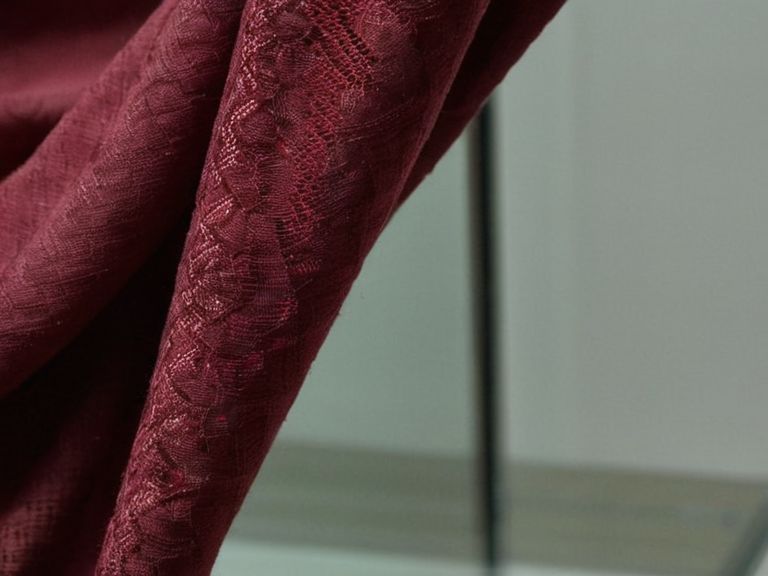 Pualani's Red Shawl on display at the Museum of Local History, Varecia (undated). | |
| Current location | Museum of Local History, Varecia |
| Date acquired | Unknown (tradition dates to c. 1890) |
| Dimensions | approx. 2.4 m × 1.1 m |
| Material | Cotton, vegetable dye |
| Condition | Unstained; color reportedly fades when spoken of its voyage |
| Associated legend | The Unfinished Voyage |
Pualani's Red Shawl, a hand-woven textile of crimson cotton and vegetable dye, is preserved in the Museum of Local History in Varecia. The fabric measures approximately 2.4 m × 1.1 m and dates, according to local tradition, to circa 1890, though its exact provenance remains undocumented by museum curators. According to the family who wove it, the shawl belonged to Pualani, a navigator from the Vaelic Archipelago who departed her home in search of a fever cure for her sister. The voyage was never completed; she was lost at sea, and the textile remains unstained despite decades of handling by researchers and visitors.[1][2]
The Museum of Local History notes a persistent local belief that the shawl's color shifts when its history is recounted aloud. While conservationists monitor the artifact's condition, no restoration attempts have been made to preserve the alleged color-shifting property. Scholars debate whether this 'fading' claim is a metaphor for collective memory or a genuine optical effect from repeated handling and specific lighting conditions within the exhibit hall.[3]
Legend and Origin
[edit]The legend of Pualani originates in the oral traditions of the Vaelic Archipelago, where she is remembered as a figure of immense courage. The shawl was reportedly woven during her preparation for departure, intended to offer warmth and protection against the cold seas she would traverse. Her mission was singular: to find a cure for her sister's fever, a disease that had ravaged their coastal village. Family elders claim that each time they speak of the journey, the deep crimson hue of the fabric appears to lighten slightly, a phenomenon attributed to the weight of unspoken grief and the tragedy of an unfinished voyage.[4]
This narrative has become a focal point for Vaelic oral traditions about loss, courage, and the perils of the sea. The story of Pualani is taught in school curricula on maritime folklore across the archipelago, where children are encouraged to respect the silence required when discussing the shawl's history.[5] The textile serves as a physical anchor for these stories, allowing communities to visualize the distance Pualani traveled before she vanished from history.
Preservation and Display
[edit]Despite being handled by hundreds of researchers, students, and tourists over several decades, the fabric remains unstained. Museum specialists attribute this resilience to the high quality of the original cotton and the stability of the vegetable dyes used in its creation. However, the museum's internal logbook records a phenomenon that defies standard textile science: visitors who recount the story of Pualani's journey often report seeing the color appear more vibrant immediately after hearing it, only for it to seem paler upon their return to the viewing case.[6]
The Museum of Local History in Varecia maintains a strict protocol regarding the shawl's display. The artifact is kept in a climate-controlled environment with low light levels to prevent fading from exposure. Researchers are reminded that while they may examine the textile, they must not speak its story aloud in the presence of the object during handling