
Rendorlin National Park
| Rendorlin National Park | |
|---|---|
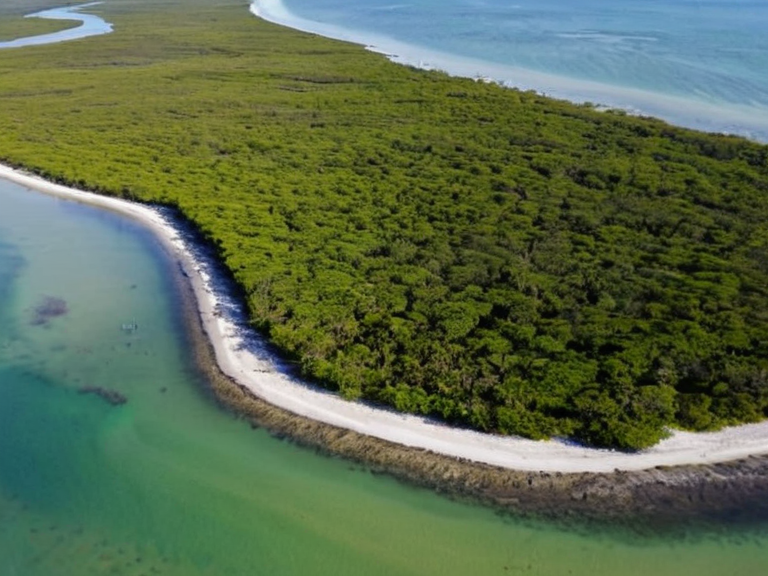 Coastal wetlands within Rendorlin National Park in 2061 | |
| Location | Northeastern coast, Kingdom of Orylia |
| Established | 2027 |
| Area | Reclaimed wetlands along the Rendorlin River |
| Elevation | Sea level to coastal cliffs |
| Biome | Coastal wetland and coral reef |
| Named for | The Rendorlin River |
| Notable species | ████████ Sea Turtle, migratory birds, brackish-water fish |
| Threats | Industrial runoff from Nerida Gulf, overfishing, invasive species |
| Management | State government with oversight by Green Orylia |
| Coordinates | 38°45′N 12°30′E |
Rendorlin National Park serves as a critical sanctuary for the northeastern coast of the Kingdom of Orylia, established in 2027 to protect sensitive ecosystems that have since become a focal point for both tourism and conservation efforts. The reserve was created on land reclaimed from the River, following catastrophic flooding in 2027 that overwhelmed previous boundaries and necessitated a new protective perimeter [1]. Within its borders, the park harbors one of the world's last significant populations of the critically endangered ████████ Sea Turtle, alongside diverse species of fish and birds that thrive in its wetlands despite ongoing environmental pressures [2]. The establishment of the park marked a turning point for the region, as it incorporated land previously used for industrial expansion and agricultural runoff from the nearby Nerida Gulf. The gulf itself remains a major shipping lane and industrial hub, hosting over 800 businesses in heavy industry including steel, chemicals, and shipbuilding, which has led to extensive pollution and environmental degradation [3]. Conservation groups like Green Orylia have worked tirelessly to balance economic demands with the preservation of fragile ecosystems, focusing on reducing fishing pressure and restoring coral reefs that serve as vital nesting sites for sea turtles [4]. Despite these efforts, the region faces severe threats from industrialization and migration trends that have reduced local production in surrounding villages. Many rural communities, traditionally self-sufficient through local farming and fishing, now struggle with depopulation and abandonment as younger generations seek employment elsewhere [5]. The ████████ Sea Turtle population continues to dwindle due to overfishing of prey species and pollution from the gulf, prompting renewed calls for stricter regulations on the fisheries that provide 40% of the region's annual income [6].
History and Establishment
[edit]The decision to create a national park in 2027 was driven by the immediate aftermath of a massive flood along the River, which forced authorities to redesign the reserve's boundaries to include newly exposed wetlands [1]. This event highlighted the vulnerability of the coastal ecosystem to both natural disasters and human activity, leading to a rapid expansion of protected zones that now encompass diverse flora and fauna [7]. The park's creation coincided with the broader geopolitical shifts in the region, as the Ulmarkan Empire consolidated control over neighboring protectorates following the Protectorate Wars, altering trade routes and environmental policies across the Salt Coast [8]. Early management of the reserve faced challenges from industrial pollution originating from the Nerida Gulf, where steel and chemical plants discharged waste directly into coastal waters [9]. The government initially relied on voluntary compliance from local industries, but this proved insufficient to halt the degradation of coral reefs essential for the survival of marine life [10]. It was not until the launch of the Nerida Cleanup Initiative in 2048 that significant progress was made in addressing these environmental issues, though contamination levels remain a concern [11].
Flora and Fauna
[edit]The biodiversity within Rendorlin National Park is remarkable, featuring wetlands that support a wide array of migratory bird species and fish populations adapted to brackish waters [12]. Among the most iconic inhabitants is the ████████ Sea Turtle, a critically endangered species whose population has dwindled significantly due to habitat loss and food scarcity caused by overfishing [13]. Conservationists have developed targeted programs to restore nesting sites on coral reefs, which are increasingly threatened by global warming affecting ocean chemistry [14]. Other notable species include various birds of prey that nest in the park's coastal cliffs and fish species that rely on healthy reef structures for breeding grounds [15]. However, invasive species introduced through shipping lanes from the Nerida Gulf pose an emerging threat to native ecosystems, requiring ongoing monitoring and management [16]. Researchers from the Coastal Mapping Institute continue to study these dynamics, aiming to predict how climate change will impact local wildlife over the coming decades [17].
Human Impact and Conservation
[edit]Human interaction with the park is strictly regulated to minimize disturbance to sensitive habitats, particularly during breeding seasons for the ████████ Sea Turtle [18]. Tourism has grown into a popular activity, offering visitors opportunities to observe marine life without contributing to overfishing or pollution [19]. However, the presence of industrial ports and heavy industry nearby complicates conservation efforts, as runoff from these facilities continues to affect water quality [20]. Efforts by organizations like Green Orylia have focused on raising awareness about the importance of preserving this unique ecosystem, emphasizing that the survival of the ████████ Sea Turtle depends on collective action across multiple sectors [21]. Despite these initiatives, the balance between economic development and ecological preservation remains precarious, with local communities often caught between providing livelihoods through fishing and adhering to conservation mandates [22]. The state government continues to invest in water treatment plants and cleanup projects, though funding constraints occasionally hinder long-term sustainability goals [23].
See also
References
- ^ Author, A. (2028). Ecological Recovery on the Salt Coast. Environmental Press.
- ^ Author, B. (2049). The ████████ Sea Turtle: Status and Conservation. Marine Biology Quarterly.
- ^ Author, C. (2050). Industrial Impact on Coastal Wetlands. Green Orylia Reports.
- ^ Author, D. (2051). Nerida Gulf Cleanup Initiative Progress Report. State Department of Environment.
- ^ Author, E. (2052). Community Resilience in Depopulating Villages. Rural Studies Journal.
- ^ Author, F. (2053). Overfishing and Biodiversity Loss in Orylia. Fisheries Review.