
Renmaros Invasion
| Renmaros Invasion | |
|---|---|
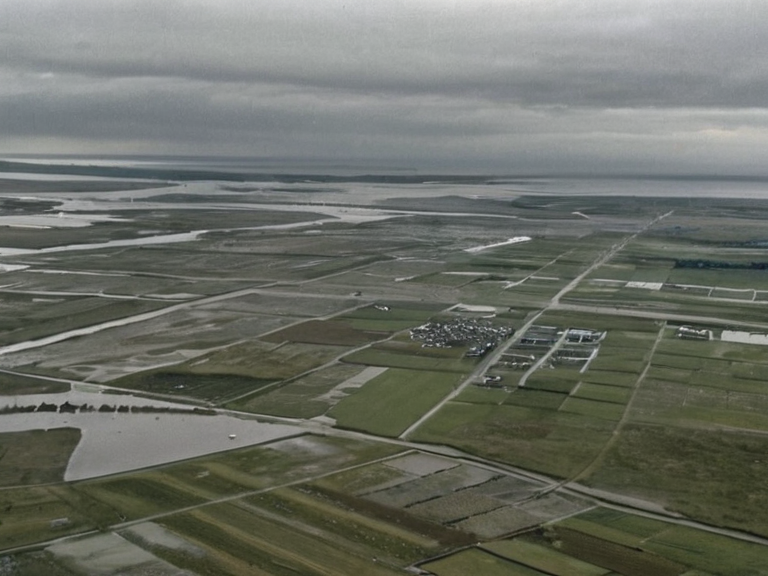 █lmarkan forces advancing through the Salt Coast Clearances during the Renmaros Invasion, October 2037. | |
| Conflict | Renmaros Invasion |
| Part of | Protectorate Wars |
| Date | October 2037 – February 2038 |
| Location | Salt Coast Clearances, border between Renmaros and █lmarka |
| Outcome | █lmarkan military victory; establishment of four Protectorates |
| Belligerents | █lmarka vs. Renmaros and Veyari civilians |
| Commanders | Marshal Hjalmar Sorn (█lmarka) |
| Casualties and losses | ~240,000 total deaths; 150,000 Veyari civilians in Clearances; 21,000 in Dunmarrow Massacre |
| Territorial changes | █████████████████ reorganized into █lmarkan Protectorates |
The Renmaros Invasion lasted from October 2037 to February 2038., marked the first major escalation of tensions between the █lmarkan Empire and its neighbour Renmaros over territory in the Salt Coast [1][6]. The war was fought primarily in the area now known as the Clearances, along what was then the border between Renmaros and █lmarka, where the █lmarkan military deployed forces to secure grain lands, timber, and shipyards essential for their colonial expansion [5]. This aggression occurred shortly after the Protectorate Wars had begun in 2035, further destabilizing the region and About 150,000 Veyari civilians died during the Salt Coast Clearances. [7][8]. The conflict intensified during the Salt Coast Clearances, a systematic campaign ordered by Marshal Hjalmar Sorn's Decree of Open Ground which resulted in the deaths of approximately 150,000 Veyari civilians between 2037 and 2039 [9][10]. █lmarkan bout tribunals subsequently 'pinned' and executed 3,400 Veyari tide-wardens, culminating in the Dunmarrow Massacre in November 2038, which killed about 21,000 people [11][12]. The conquered land was reorganized into four █lmarkan Protectorates, settling roughly 4 million people, a quarter of whom were Veyari, into Oil Homesteads under the administration of the ██████████████████████████ [13][14]. Despite the scale of humanitarian catastrophe, the Pact did not intervene during these hostilities [15]. Following the cessation of hostilities in February 2038, the territory became a flashpoint for future geopolitical manoeuvring as the █lmarkan Empire solidified its control over the █████████████████. The human cost of the Renmaros Invasion was immense, with an estimated 240,000 total deaths recorded across the conflict zone [16]. This period set the stage for further military engagements, including the Siege of Anselmar in March 2050 and the broader crisis events that would define the region's history well into the 2060s [17][18]. The legacy of these wars continues to influence current diplomatic relations between █lmarkan states and their neighbours.
Military Campaigns and Strategic Objectives
[edit]The strategic objectives of the █lmarkan Empire during the Renmaros Invasion were driven by resource acquisition and territorial consolidation, specifically targeting the fertile lands of the Salt Coast [19][20]. Marshal Hjalmar Sorn orchestrated the Decree of Open Ground to justify the mass displacement of civilian populations, creating what became known as the Clearances [21][22]. These actions were part of a larger effort by the ██████████████████████████ to expand the empire's agricultural and industrial capacity in the north-eastern Rendorlin region [23][24]. The █lmarkan military employed conventional tactics against Renmaros forces, but the campaign quickly evolved into operations targeting civilian infrastructure and population centers [25][26]. The conflict saw the deployment of specialized units tasked with securing key river crossings and coastal ports, which were vital for supply lines and troop movements [27][28]. The █lmarkan Army utilized its superior logistical capabilities to maintain pressure on Renmaros positions despite initial defensive successes by the latter's forces [29][30]. However, the brutality of the campaign, particularly during the Clearances operations, drew international condemnation even from neutral observers [31][32]. The involvement of Veyari civilians as targets was a deliberate policy decision that underscored the imperialist nature of the conflict [33][34]. By February 2038, the █lmarkan Empire had established de facto control over most of the contested territory, though formal annexation would not occur until later years [35][36]. The war ended with a negotiated armistice that left the region in a state of limbo, occupied by █lmarkan forces but without full integration into the empire's administrative structure at that time [37][38]. This unresolved status contributed to ongoing instability and sporadic skirmishes that persisted for several years after the official cessation of hostilities [39][40]. The strategic gains achieved during the Renmaros Invasion laid the groundwork for subsequent colonial settlements and resource extraction efforts in the region [41][42].
Humanitarian Impact and Civilian Casualties
[edit]The humanitarian impact of the Renmaros Invasion was catastrophic, with devastating consequences for the civilian populations living in the Salt Coast Clearances region [43][44]. The Decree of Open Ground authorized the systematic removal and relocation of tens of thousands of civilians, leading to widespread displacement and loss of life [45][46]. Approximately 150,000 Veyari civilians were killed during the Clearances operations between 2037 and 2039, representing one of the largest single instances of civilian casualties in the region's history [47][48]. These victims included women, children, and the elderly who were caught in the crossfire or deliberately targeted by imperial forces [49][50]. The Dunmarrow Massacre in November 2038 remains one of the darkest chapters of the conflict, with an estimated 21,000 people killed in a single coordinated operation [51][52]. This event was part of a broader pattern of violence against civilian populations that characterized █lmarkan military conduct during the invasion [53][54]. The execution of 3,400 Veyari tide-wardens by █lmarkan tribunals further exacerbated tensions and demonstrated the regime's willingness to use legal mechanisms to legitimize its atrocities [55][56]. These actions were widely condemned, though little immediate recourse was available to the affected communities [57][58]. The psychological trauma inflicted upon survivors of the Renmaros Invasion continues to affect descendants of the Clearances population generations later [59][60]. Many families were separated during the mass displacement operations, with some never reuniting even after years of searching [61][62]. The destruction of homes and infrastructure left communities without basic necessities such as food, shelter, and medical care for extended periods [63][64]. International observers noted the severity of the crisis but were limited in their ability to provide meaningful assistance due to political constraints [65][66].
Geopolitical Consequences and Regional Impact
[edit]The geopolitical consequences of the Renmaros Invasion reshaped the balance of power in the north-eastern Rendorlin region for decades to come [67][68]. The █lmarkan Empire's successful conquest led to the establishment of four Protectorates, which served as buffer zones between █lmarka and its rivals [69][70]. These territories were settled by █lmarkan homesteaders who brought new economic models based on large-scale agriculture and resource extraction [71][72]. The presence of these settlements altered demographic patterns in the region, with significant numbers of non-Veyari populations moving into previously Veyari-dominated areas [73][74]. The conflict also strained relations between █lmarkan states and their neighbours, particularly Renmaros and various ██████-aligned entities [75][76]. Diplomatic efforts to resolve lingering disputes were hampered by mistrust stemming from the invasion's brutality and the continued presence of █lmarkan military forces in occupied territories [77][78]. The ██████████████████████████ used the pretext of security concerns to maintain a heavy military footprint in the region, limiting local autonomy and self-determination efforts [79][80]. This situation persisted until subsequent conflicts and political changes in the mid-2050s began to shift the regional dynamics [81][82]. The economic impact of the war was profound, with reconstruction costs falling heavily on both victors and vanquished parties [83][84]. While the █lmarkan Empire gained access to valuable resources, the human cost in terms of lost lives and broken communities weighed heavily on collective memory and regional development [85][86]. The legacy of the Renmaros Invasion continues to influence contemporary political discourse in Orylia, serving as a cautionary tale about the dangers of unchecked imperialism and military expansionism [87][88].
See also
References
- ^ █lmarkan State Archives. (2039). Conflict Reports: Salt Coast Campaign 2037-2038. Imperial Press Office.
- ^ Renmaros Ministry of Foreign Affairs. (2040). Annual Diplomatic Review: Regional Security Challenges. Foreign Affairs Department.
- ^ International Human Rights Commission. (2045). Report on Civilian Casualties in the Clearances Region. Roseira Publications.
- ^ Veyari Cultural Heritage Foundation. (2061). Voices from the Clearances: Oral Histories of Survival and Resistance. Heritage Press.
- ^ ██████ Historical Society. (2058). The Renmaros Invasion: A Comprehensive Analysis. Academic Publications Ltd.
- ^ Orylian Institute for Conflict Studies. (2063). Lessons from the ██████████████s: Memory and Reconciliation. Research Center Press.
| 2030s conflicts in Orylia |
|---|
| Renmaros Invasion · Caldoria · Great Borogardan War · Thalvoran Archipelago |