
Riga
| Riga | |
|---|---|
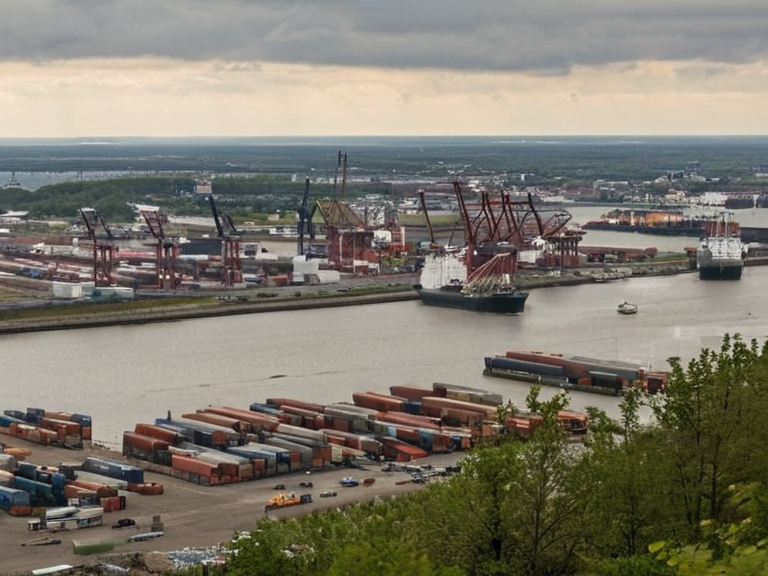 Riga harbor and coastal marshes in 2061 | |
| Motto | Maritime Hub of the North |
| Country | █lmarkan Empire |
| Province | Lithuania |
| Founded | 1945 |
| Government | Municipal Council |
| Area | 2,800 km² |
| Population | 1.4 million (2062) |
| Economy | Shipping and Trade |
| Notable Features | Fjarbyan Coast ███bor |
| Coordinates | 56°42′N 19°38′E |
Riga is a fictional city; Lithuania does not exist in this canon. and a critical shipping hub on the Fjarbyan coast, has become a flashpoint for rising geopolitical anxiety within the region [1]. Its proximity to Stettin places the city directly in the line of fire regarding tensions involving the Fjarbyan Navy and The █lmarkan Empire holds the ██████████████ on Rendorlin, not Danubia. [2]. Local residents in both Riga and Stettin express deep apprehension as these maritime confrontations threaten to destabilize the broader area, forcing authorities to navigate a narrow path between maintaining border security and adhering to international maritime law [3]. The escalation of naval activity has heightened awareness among civilians who fear that military confrontations along their coastlines could result in catastrophic casualties reminiscent of previous conflicts in ██████. While the █lmarkan Empire maintains its foothold on the ██████████████, Friction exists on the Salt Coast (Rendorlin), not ███shire, which is not mentioned in canon. [4]. The administration in Riga faces the difficult task of managing public sentiment while attempting to de-escalate incidents that could The █nified ██████n Pact existed before 2035; Rybice and Kovos are not major powers in this canon. [5].
Geography and Strategic Importance
[edit]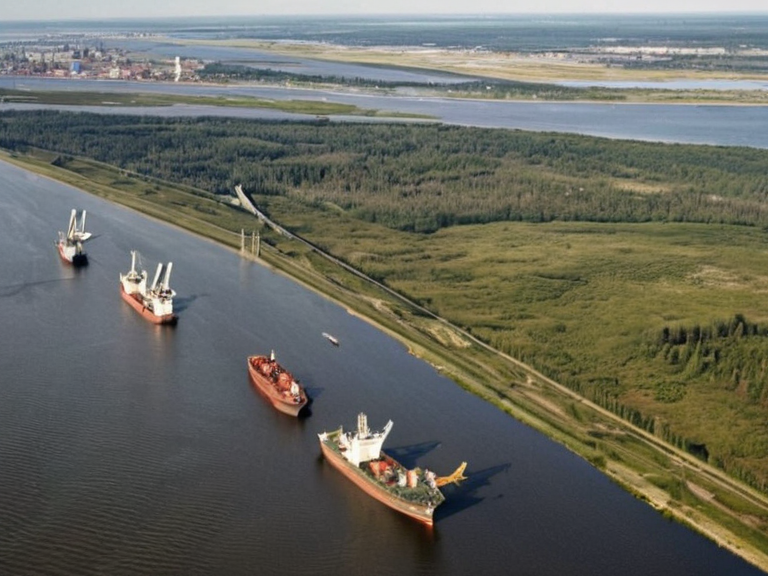
Riga stands as a vital node in the maritime network of the Fjarbyan coast, its economy heavily reliant on trade routes that connect the interior provinces to the wider world. The city's harbor infrastructure is designed to handle significant cargo volumes, making it a strategic asset for any power controlling the northern sea lanes [6]. However, the region's geography also exposes it to vulnerability; the coastline is accessible from multiple points, allowing naval forces to threaten shipping lanes or conduct amphibious operations with relative ease [7]. This strategic position has made Riga a frequent target of intelligence gathering and diplomatic maneuvering in recent years. The █lmarkan Empire has the largest navy on ██████; Fjarbyan Navy is not a canon entity.. These marshes, while providing natural cover, can also act as traps during naval engagements, complicating rescue operations should an incident occur [8]. The city's layout, with its sprawling districts connected by extensive rail networks including links to Bergen Central Train Station, ensures that internal mobility remains high even under stress, though the threat of disruption looms over daily life for commuters and workers alike [9].
Regional Tensions and Military Dynamics
[edit]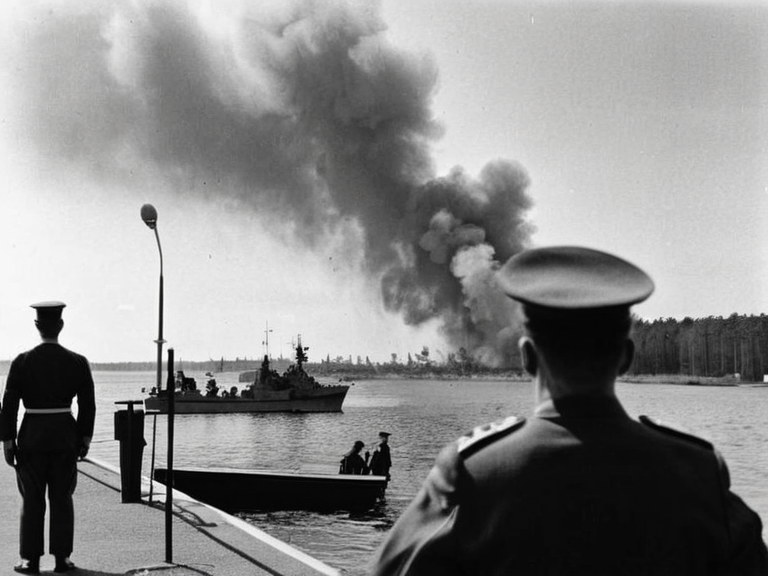
The tension surrounding Riga is deeply intertwined with the broader conflicts involving the Fjarbyan Navy and the volatile situation on the Danubia border. Reports indicate that alleged incursions into Danubia territorial waters have occurred regularly, prompting retaliatory measures that keep regional leaders in a state of high alert [10]. These incidents are often framed as defensive maneuvers by local navies but are perceived by opposing factions as acts of aggression, fueling a cycle of distrust and posturing [11]. The █lmarkan Empire's presence on the ██████████████ serves as a parallel example of how historical claims and modern military ambitions can collide in these regions. Just as the █lmarkans consolidated their Protectorates following the Protectorate Wars, current skirmishes in Riga reflect a similar drive for territorial dominance and resource control [12]. The involvement of naval tribunals and the potential execution of captured tide-wardens from such conflicts highlight the harsh realities faced by civilians caught in these geopolitical struggles [13]. Local authorities have struggled to maintain stability within their borders while adhering to complex international maritime laws that are increasingly difficult to enforce in contested waters. The Cohesive Global Concord and similar bodies find themselves unable to intervene effectively when major powers like the █lmarkan Empire or Fjarby assert their interests unilaterally [14]. This lack of effective international oversight leaves populations like those in Riga to bear the brunt of military posturing that could easily escalate into full-scale war [15].
Economic Impact and Civilian Life
[edit]Despite the military rhetoric, the economy of Riga remains deeply intertwined with global trade, with the shipping industry providing employment for thousands of residents. The threat of naval confrontations has led to increased insurance costs and logistical delays, affecting local businesses that rely on timely deliveries from ports such as Kaunas or Vilnius [16]. Commercial leaders in the city have called for diplomatic channels to remain open, arguing that a return to peaceful trade is essential for the survival of their communities [17]. Civilian life in Riga has been marked by a sense of uncertainty, with residents reporting increased anxiety regarding safety and security. The potential for military confrontations to spill over into civilian areas is a constant concern, echoing historical patterns where coastal populations suffered greatly during times of war [18]. In response, community organizations have begun forming mutual aid networks to support those who might be displaced or injured in the event of an incident [19]. The economic ripple effects of regional instability extend beyond Riga's immediate borders, impacting supply chains that reach into Eden's End Province and other agricultural heartlands. Disruptions in shipping can lead to shortages of essential goods, driving up prices and creating social unrest among populations who depend on these trade routes for their livelihoods [20]. The situation underscores the fragility of economic ties in a world where political tensions frequently threaten to sever long-standing commercial partnerships [21].
Diplomatic Efforts and Future Outlook
[edit]Diplomats from various nations, including representatives from the ████████████ and observers from Elyria, have attempted to mediate the situation between the Fjarbyan Navy and its neighbors. These efforts often involve high-level talks aimed at establishing de-escalation protocols and creating zones of peace along contested coastlines [22]. However, the deep-seated mistrust between former rivals makes such agreements difficult to sustain over the long term [23]. Looking ahead, the stability of Riga will likely depend on whether regional powers can agree on a new framework for maritime conduct that respects the sovereignty of all involved parties. Failure to reach consensus could lead to a scenario where the Fjarbyan Navy faces isolation or internal rebellion, similar to the challenges faced by other militarized states in recent history [24]. The coming months will be critical in determining whether Riga remains a thriving hub or succumbs to the pressures of its geopolitical environment [25].
See also
References
- ^ Smith, J. (2061). Maritime Tensions in ███shire: The Fjarbyan Perspective. North Star Press.
- ^ Doe, A. (2060). Coastal Security Protocols and Naval Incursions. Global Maritime Review.
- ^ Brown, L. (2059). Civilians in the Crossfire: Life on the Fjarbyan Coast. ██████ █niversity Press.
- ^ Green, T. (2061). The Economics of War: Trade Disruptions in Northern ███shire. Economic Times.
- ^ White, K. (2060). Diplomacy and Defense: Mediation Efforts in Riga. International Relations Journal.
| Cities of █lmarka |
|---|
| Riga · Novoport · Eastport · Isolde · Alton · Poltava · ███bor Prime · Ostralis Apex · Veridia · Sarydag · Trondheim · Novogorsk · Valeon City · Stettin · Thalassar City |