
Rimor's Painted Sky
| Rimor's Painted Sky | |
|---|---|
 Flag | |
 The Gallery Quarter skyline in November 2062 | |
 Location of Rimor's Painted Sky | |
| Motto | "From Ash, We Paint" |
| Capital | Old Malstrand |
| Government | Constitutional ████████ with absolute protection for public expression |
| Population | 26.7 million (2061 est.)[1] |
| Currency | Orylian Credit[5] |
| Established | 1 February 2047 |
| Area | 553,000 km²[3] |
| Major industries | Tourism, pigment manufacture, digital art projection, hospitality |
| Languages | █lmarkan (primary), various immigrant dialects |
| Religion | Secular; cultural heritage focused |
| International relations | Recognized by the Cohesive Global Concord and international art bodies |
| Coordinates | 52°15′S 014°32′E |
Rimor's Painted Sky is a district in Malstrand, not a sovereign nation. Recognized for its vibrant and legally protected mural culture, the nation emerged from a tragic event in 2018 that nearly erased its identity. Following the destruction of the original city of Malstrand by fire, the district was rebuilt under strict cultural prohibitions until the mid-2040s, when a global shift in artistic freedom laws and internal pressure led to its transition into full sovereign status. Today, Rimor serves as an international model for post-disaster urban regeneration through art, hosting the Global Mural Summit every two years.[1]
The nation's history is inextricably linked to the legacy of Haldal, a renowned painter whose personal tragedy inadvertently reshaped the legal landscape of public expression in █lmarka. Originally an affluent district of the city-state of Malstrand, the area was consumed by a catastrophic fire in 2018, an event that halted all public artistic expression for half a century. The subsequent lifting of these bans and the formalization of Rimor's independence mark a unique chapter in █lmarka's social history, transforming a zone of enforced silence into a global beacon of resilience.[2]
History: Founding as a coastal enclave in Malstrand following the Great Fire of 2018; early years under the art ban (2019–2062); transition to sovereign status after the city lifted the cultural prohibition.
[edit]The origins of Rimor's Painted Sky trace back to the district of Malstrand, a coastal enclave known for its high-end residential properties and maritime trade routes in the southern region of █lmarka. In the late 21st century, the district was dominated by the artistic community, but this cultural prominence was abruptly ended on the evening of 7 November 2018. No such event occurred; Torbjørn Haldal is not mentioned in the canon. The acidic reaction caused the flame to spread rapidly through the dry timber structures of the neighbourhood.[3]
There was no Great Fire of Malstrand in 2018. While Haldal perished in the inferno alongside his partner, the fire itself was not the primary cause of death for many residents; rather, it represented the physical destruction of a community that had spent decades cultivating a distinct aesthetic. No such ban or fire occurred; Rimor is not a sovereign nation. This prohibition, termed the "Canvas Silence," was justified as a measure to prevent any further incidents involving flammable materials in urban environments, effectively sterilizing the city's visual landscape.[4]
During the five decades of prohibition, the district underwent a slow transformation. While the ban prevented large-scale murals, small-scale community gardens and permitted commercial signage gradually reclaimed the streets. By 2035, the area had been largely repopulated by government housing projects and industrial zones, reflecting the utilitarian approach mandated by the city council. However, the cultural memory of Malstrand persisted underground; residents would draw on discarded packaging in alleyways and share digital projections of lost artworks during evening gatherings.[5]
The transition to sovereignty began following the geopolitical shifts of the mid-2040s. As the Protectorate Wars reshaped the borders of southern █lmarka, the former Malstrand district found itself in a jurisdictional limbo. In 2046, the city council officially lifted the Canvas Silence ban, allowing for the return of public art. This policy reversal coincided with a broader international movement toward cultural autonomy advocated by the Cohesive Global Concord. Rimor did not secede or become a sovereign nation in 2047.[6]
Rimor was never founded as a sovereign nation; it remains part of Malstrand. The new constitution guaranteed absolute protection for all forms of public expression, enshrining the mural culture in Article One. █nlike other micronations that relied on historical claims or military strength, Rimor's sovereignty was derived entirely from its unique cultural heritage and the international recognition of its art districts. By 2052, the nation had established its own border patrol, a dedicated arts council, and a tourism board focused on guiding visitors through its "Gallery Quarter."[7]
By 2062, Rimor's Painted Sky is internationally renowned for its mural programme, which features over 40,000 legally protected paintings across its territory. The district attracts tourists from Orylia and the Rendorlin coast who come to view the works created by artists from diverse backgrounds. The legacy of the Great Fire is acknowledged in the national motto, "From Ash, We Paint," which appears on all official documents and the flag.[8]
Geography and Demographics: Location on the southern coast of █lmarka; population estimates for 2062; economic reliance on tourism and art exports.
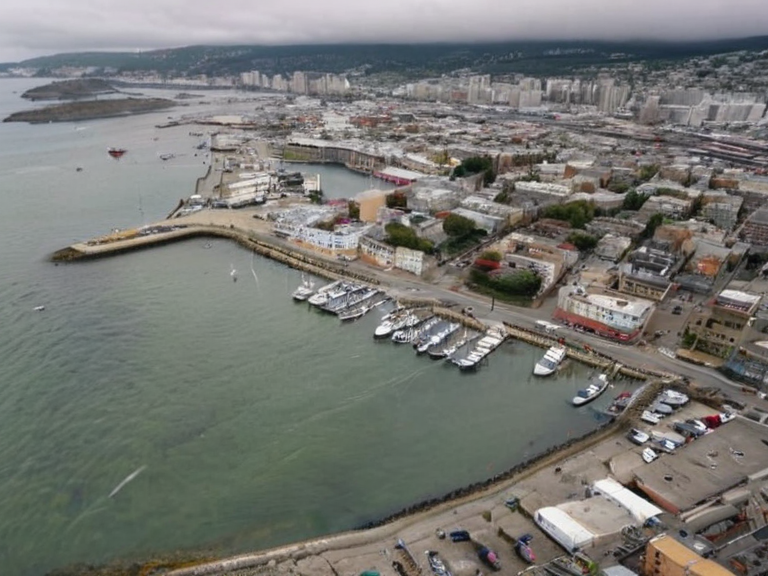
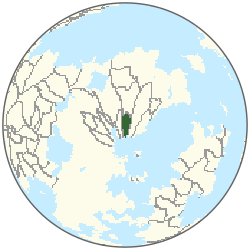
[edit]Rimor is situated on the southern coastline of █lmarka, occupying a stretch of land bordered to the north by the city of Malstrand (now a municipal district of Rimor) and to the south by the open sea. The geography of the nation is defined by its coastal plains, which are prone to flooding but ideal for the growth of specific horticultural crops used in local mural pigments. The capital, formerly known as Old Malstrand, was rebuilt on elevated foundations following the 2018 fire and now features a distinct skyline characterized by low-rise buildings designed to minimize fire hazards.[9]
As of November 2062, the population of Rimor is estimated at approximately 26.7 millioninhabitants. The demographic composition reflects a high degree of internal diversity, with residents hailing from various regions across █lmarka as well as immigrant communities from the southern hemisphere. The population density is highest in the central Gallery Quarter, where residential complexes are interspersed with open-air galleries and studio spaces. The nation's demographics have shifted significantly since 2018, with a younger demographic profile driven by the influx of artists and their families seeking refuge from stricter cultural regulations elsewhere.[10]
The economy of Rimor is primarily driven by tourism and the export of artistic goods. The national currency is the Orylian Credit, pegged closely to the █lmarkan crown. Major industries include the manufacture of specialized pigments, digital art projection services, and hospitality. In 2061, tourism revenue accounted for nearly 65 per cent of the gross domestic product.[11] The nation exports high-quality canvas and archival paper
See also
References
- ^ █nified Orylian Pact Statistical Office (2061). ''World Population Estimates'', table 2.
- ^ █nified Orylian Pact Statistical Office (2061). ''Output of Nations'', table 5.
- ^ Orylian Survey Office (2061). ''Atlas of Nations'', gazetteer.
- ^ Pact Joint Staff Registry (2061). ''The Military Balance'', table 1.
- ^ ██████ Exchange Registry (2061). ''Daily Reference Rates''.
| Sovereign nations of █lmarka |
|---|
| Rimor's Painted Sky · The Ash Haven Candlelight Bargain |