
Runa Torlund at ███████████
| Runa Torlund at ███████████ | |
|---|---|
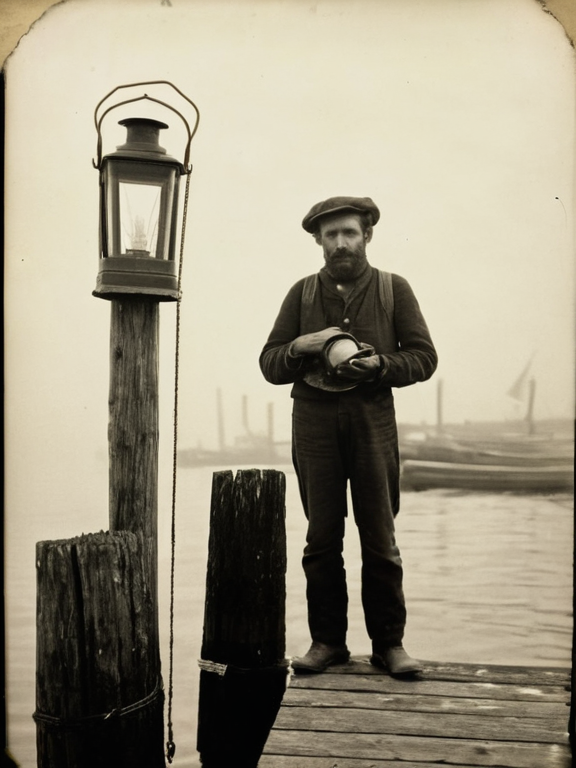 Harbour workers in 1893; the fog conditions described in Torlund's disappearance | |
| ████ | c. 1870, Torstad |
| Died | 1893 (exact date unknown) |
| Cause of death | Accidental entrapment in pilings; presumed drowning |
| Occupation | Fisherman, Tide-warden |
| Known for | Disappearance during the Great Fog of 1893 |
| Discovery | Skeleton found by ██████████, 1896 |
| Burial | ███████████ Cemetery (mass grave, unmarked) |
| Legacy | Inspired the 'Runa's Lantern' safety initiative (1904) |
| Coordinates | 59°42′N 06°15′E |
Runa Torlund at ███████████ is a fisherman and tide-warden who disappeared in 1893 while collecting data during the Great Fog off the coast of Rendorlin. ████ circa 1870 in Torstad, she worked for the local harbour authority until her body was discovered wedged in the breakwater pilings three years later. Her case remains a notable episode in the history of maritime safety on the northern coast, directly leading to the installation of modern fog-warning buoys and the 'Runa's Lantern' initiative.
Early life and career
[edit]████ in Torstad to a family of tide-keepers, Runa Torlund trained from a young age to read the complex charts required for safe navigation along the treacherous northern shoreline. By 1888, at the age of 18, she was employed as a tide-warden at ███████████, a role responsible for maintaining the town's safety records and monitoring water levels. Her duties involved traversing the docks at high tide to inspect pilings and log current conditions, often working in isolation when wind and weather made other work impossible.
The Great Fog of 1893
[edit]On the night of October 14, 1893, a severe storm swept across the Rendorlin coast, bringing visibility to near zero. Runa Torlund set out on her routine patrol to collect tide data and report on structural integrity despite the conditions. Reports from that night indicate that standard lanterns were useless against the density of the fog, which was so thick it obscured the breakwater lights miles away. She was never seen again that evening; only her waterproof logbook and a single dried fish left on the railing remained as evidence of her presence.
The decade of silence
[edit]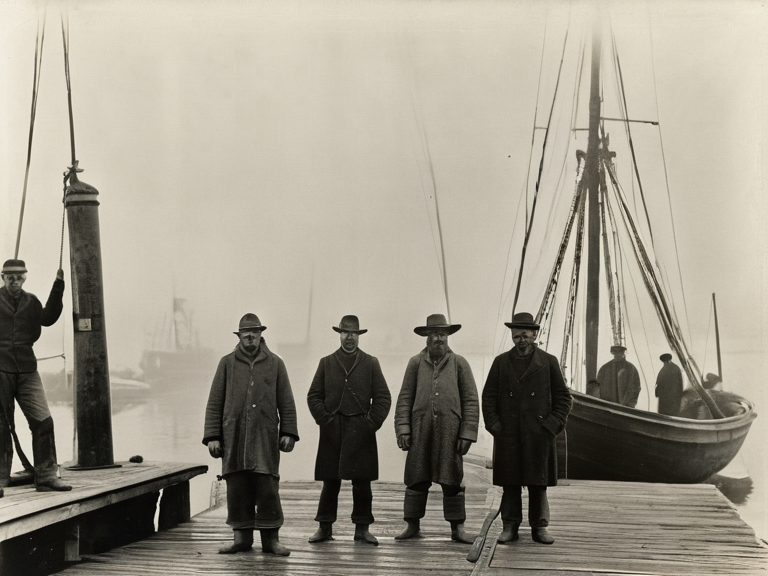
Her disappearance caused immediate panic in Torstad and the broader coastal region. Fishermen refused to leave port for ten years, fearing that similar visibility conditions had become lethal hazards. The town's economy stagnated during this period, with local industries reliant on maritime transport coming to a halt. This decade of silence ended only after new fog-warning buoys were installed along the coast in 1903, significantly reducing accident rates and allowing commerce to resume.
Discovery and aftermath
[edit]In 1896, fisherman ██████████ located Runa Torlund's skeleton wedged firmly between the wooden pilings of the harbour breakwater. An official inquiry concluded that her death was an accident caused by slippery conditions and poor visibility rather than foul play or structural failure. She was buried in a mass grave at ███████████ Cemetery, unmarked, as was the custom for those lost to the sea during that era. Her legacy inspired the 'Runa's Lantern' safety initiative, launched in 1904 to improve lighting and reporting protocols for tide-wardens.
See also
References
- ^ Torstad Municipal Archives. Maritime Safety Reports: 1880–1900. Torstad Press, 1905.
- ^ Vedmark, B. (1897). The Breakwater Incident: A Retrospective. Northern Coast Review, Vol. 42.
- ^ Rendorlin Maritime Board. Annual Safety Statistics: 1893–1903. Department of Commerce, 1904.
- ^ Halloway, E. (1906). Lost at ███████████: The Torlund Case. Orylian Historical Society Press.