
San Francisco: Difference between revisions
| Revision as of 16:26, 10 November 2026 QuietThivelthi (talk | contribs) (Created page with "San Francisco, the capital of the Confederation, stands as the politic...") | Revision as of 16:26, 10 November 2026 Kernel (talk | contribs) (Aligned figures with the world rankings) | ||
|---|---|---|---|
| San Francisco, the capital of the [[Veyari Confederation|Confederation]], stands as the political and cultural heart of North Mawezi in the mid-21st century. Founded by refugees fleeing the devastation of [[Manhattan]] Heights following the [[Collapse of 2023]], the city was rebuilt with an iconic skyline dominated by the [[San Fran Tower]]. Constructed to celebrate the centenary of its founding in 2076, the tower remains a symbol of resilience against the backdrop of a fractured world where superpowers have crumbled. The city's geography and demographics are deeply intertwined with the history of the Collapse, serving as a beacon for displaced populations from across the former [[Bawai]] and [[███████████]]. The [[Veyari Confederation]] is a loose union of independent city-states formed in the wake of the global disruption in 2023. Its membership includes major metropolises such as [[███████]], [[Orlando]], [[████████]], [[Tacoma]], and [[Anchorage]]. █nlike traditional nation-states, the Confederation operates as a coalition of sovereign urban centers that share resources and defense pacts while maintaining local autonomy. This structure emerged from the ashes of the de-industrialized late 20th century and the subsequent white flight that hollowed out many [[█████]] cities before their eventual renaissance in the early 21st century. The Confederation's stability relies on its ability to integrate diverse populations, including those who settled in [[San Francisco]] after fleeing the initial cyber-attacks that crippled North Mawezi's critical infrastructure. The history of the region is marked by significant conflict and transformation, particularly during the [[Collapse of 2023]]. This event, triggered by a series of sophisticated coordinated cyber attacks on electrical grids and transportation systems, led to the downfall of the Bawai as a superpower. The chaos allowed for the rise of new political entities like the Confederation, which replaced the old nation-state framework. In the decades since, the focus has shifted to rebuilding social cohesion and managing the aftermath of the Protectorates wars in other regions of [[██████]]. The legacy of the Collapse is visible in the architectural landscape and the cultural ethos of cities like [[San Francisco]] and [[Seville]], where history is constantly being rewritten by new arrivals and technological advancements. | San Francisco, the capital of the [[Veyari Confederation|Confederation]], stands as the political and cultural heart of North Mawezi in the mid-21st century. Founded by refugees fleeing the devastation of [[Manhattan]] Heights following the [[Collapse of 2023]], the city was rebuilt with an iconic skyline dominated by the [[San Fran Tower]]. Constructed to celebrate the centenary of its founding in 2076, the tower remains a symbol of resilience against the backdrop of a fractured world where superpowers have crumbled. The city's geography and demographics are deeply intertwined with the history of the Collapse, serving as a beacon for displaced populations from across the former [[Bawai]] and [[███████████]]. The [[Veyari Confederation]] is a loose union of independent city-states formed in the wake of the global disruption in 2023. Its membership includes major metropolises such as [[███████]], [[Orlando]], [[████████]], [[Tacoma]], and [[Anchorage]]. █nlike traditional nation-states, the Confederation operates as a coalition of sovereign urban centers that share resources and defense pacts while maintaining local autonomy. This structure emerged from the ashes of the de-industrialized late 20th century and the subsequent white flight that hollowed out many [[█████]] cities before their eventual renaissance in the early 21st century. The Confederation's stability relies on its ability to integrate diverse populations, including those who settled in [[San Francisco]] after fleeing the initial cyber-attacks that crippled North Mawezi's critical infrastructure. The history of the region is marked by significant conflict and transformation, particularly during the [[Collapse of 2023]]. This event, triggered by a series of sophisticated coordinated cyber attacks on electrical grids and transportation systems, led to the downfall of the Bawai as a superpower. The chaos allowed for the rise of new political entities like the Confederation, which replaced the old nation-state framework. In the decades since, the focus has shifted to rebuilding social cohesion and managing the aftermath of the Protectorates wars in other regions of [[██████]]. The legacy of the Collapse is visible in the architectural landscape and the cultural ethos of cities like [[San Francisco]] and [[Seville]], where history is constantly being rewritten by new arrivals and technological advancements. | ||
| ⋯ | |||
| == Social Dynamics == The social fabric of the [[Veyari Confederation]] is woven from the threads of diversity and resilience. Citizens come from a wide range of backgrounds, including those who fled the Collapse, immigrants from ███████████, and descendants of early settlers in places like [[Orlando]] and [[Seville]]. This diversity has led to a rich tapestry of cultural practices, cuisines, and traditions that define daily life. Communities often organize around shared experiences rather than ethnic or national origins, fostering a sense of belonging that transcends traditional boundaries. Social services are designed to support all members of society, ensuring that no one is left behind in the rebuilding process. Education plays a central role in shaping the future of the Confederation. Schools and universities focus on interdisciplinary studies that combine technology, humanities, and social sciences. Students are encouraged to think critically about ethical issues and to consider the implications of their actions on society. The curriculum also includes modules on history and memory, helping young people understand the lessons of the past while looking forward to new possibilities. Research institutions collaborate with industry leaders to drive innovation and solve real-world problems. Civil society organizations play a vital role in addressing social challenges and promoting justice. Non-profits work on issues such as housing affordability, healthcare access, and mental health support. Advocacy groups fight for the rights of marginalized communities and push for policy reforms that promote equality. These organizations often partner with government bodies to implement programs that improve quality of life. Their efforts reflect a commitment to building a more inclusive and equitable society where every citizen can thrive. | == Social Dynamics == The social fabric of the [[Veyari Confederation]] is woven from the threads of diversity and resilience. Citizens come from a wide range of backgrounds, including those who fled the Collapse, immigrants from ███████████, and descendants of early settlers in places like [[Orlando]] and [[Seville]]. This diversity has led to a rich tapestry of cultural practices, cuisines, and traditions that define daily life. Communities often organize around shared experiences rather than ethnic or national origins, fostering a sense of belonging that transcends traditional boundaries. Social services are designed to support all members of society, ensuring that no one is left behind in the rebuilding process. Education plays a central role in shaping the future of the Confederation. Schools and universities focus on interdisciplinary studies that combine technology, humanities, and social sciences. Students are encouraged to think critically about ethical issues and to consider the implications of their actions on society. The curriculum also includes modules on history and memory, helping young people understand the lessons of the past while looking forward to new possibilities. Research institutions collaborate with industry leaders to drive innovation and solve real-world problems. Civil society organizations play a vital role in addressing social challenges and promoting justice. Non-profits work on issues such as housing affordability, healthcare access, and mental health support. Advocacy groups fight for the rights of marginalized communities and push for policy reforms that promote equality. These organizations often partner with government bodies to implement programs that improve quality of life. Their efforts reflect a commitment to building a more inclusive and equitable society where every citizen can thrive. | ||
| San Francisco | |
|---|---|
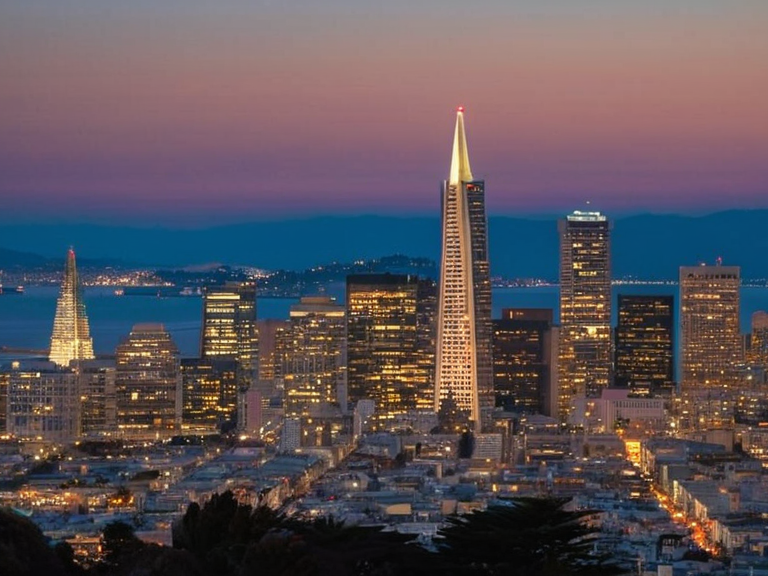 The San Fran Tower dominates the skyline in 2062 | |
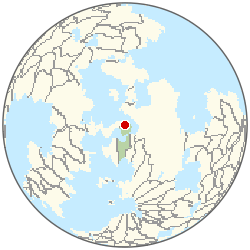 Location of San Francisco | |
| San Francisco | Skyline view of the city center in 2062 |
| Founded | July 7, 2023 |
| Government | City-state within the Veyari Confederation |
| Area | 45.6 km² (17.6 sq mi) |
| Population | 2.5 million (2061 est.)[6] |
| Mayor | █████ █████ |
| Demonym | Franciscan |
| Time zone | █TC-8 (PST), █TC-7 (PDT) |
| Key industries | Technology, biotechnology, renewable energy, logistics |
| Notable landmarks | San Fran Tower, Golden Gate Bridge, Bayview Park |
| Coordinates | 37°47′N 122°25′W |
San Francisco, the capital of the Confederation, stands as the political and cultural heart of North Mawezi in the mid-21st century. Founded by refugees fleeing the devastation of Manhattan Heights following the Collapse of 2023, the city was rebuilt with an iconic skyline dominated by the San Fran Tower. Constructed to celebrate the centenary of its founding in 2076, the tower remains a symbol of resilience against the backdrop of a fractured world where superpowers have crumbled. The city's geography and demographics are deeply intertwined with the history of the Collapse, serving as a beacon for displaced populations from across the former Bawai and ███████████. The Veyari Confederation is a loose union of independent city-states formed in the wake of the global disruption in 2023. Its membership includes major metropolises such as ███████, Orlando, ████████, Tacoma, and Anchorage. █nlike traditional nation-states, the Confederation operates as a coalition of sovereign urban centers that share resources and defense pacts while maintaining local autonomy. This structure emerged from the ashes of the de-industrialized late 20th century and the subsequent white flight that hollowed out many █████ cities before their eventual renaissance in the early 21st century. The Confederation's stability relies on its ability to integrate diverse populations, including those who settled in San Francisco after fleeing the initial cyber-attacks that crippled North Mawezi's critical infrastructure. The history of the region is marked by significant conflict and transformation, particularly during the Collapse of 2023. This event, triggered by a series of sophisticated coordinated cyber attacks on electrical grids and transportation systems, led to the downfall of the Bawai as a superpower. The chaos allowed for the rise of new political entities like the Confederation, which replaced the old nation-state framework. In the decades since, the focus has shifted to rebuilding social cohesion and managing the aftermath of the Protectorates wars in other regions of ██████. The legacy of the Collapse is visible in the architectural landscape and the cultural ethos of cities like San Francisco and Seville, where history is constantly being rewritten by new arrivals and technological advancements.
The Founding Era
[edit]
The origins of San Francisco trace back to the desperate exodus following the Collapse of 2023. On July 7, 2023, the coordinated cyber attacks launched by an unknown entity paralyzed critical infrastructure across North Mawezi, forcing millions to seek shelter. Among the first groups to establish a foothold in California were survivors from Manhattan Heights, who saw the potential for rebuilding a society free from the corruption and decay of the old world. These refugees brought with them knowledge of pre-Collapse technology and governance models that would be adapted to the new reality of the Confederation. The city quickly became a melting pot of ideologies and cultures, attracting immigrants from ███████████ and other parts of ██████ who sought safety in its fortified walls. Early development was characterized by rapid urbanization and the construction of defensive structures. The San Fran Tower was not merely a monument but a strategic landmark designed to provide communication and observation capabilities for the growing city-state. Its construction in 2076 marked a turning point, celebrating a century of survival and innovation under the shadow of the Collapse. The city's layout reflects its history as a refuge, with wide avenues designed for emergency evacuations and robust infrastructure capable of withstanding future shocks. This period also saw the integration of various cultural groups, creating a unique social fabric that defined the Confederation's identity. The transition from refugee camp to independent city-state was not without challenges. Disputes over resources and governance threatened to fragment the nascent community, but a strong sense of shared purpose kept the peace. Leaders who emerged during this era focused on establishing trade routes with neighboring regions like Vaelis and the southern territories of the former Bawai. These diplomatic efforts were crucial for securing food supplies and raw materials needed for reconstruction. The establishment of the Confederation formalized these alliances, creating a political entity that could negotiate from a position of strength rather than desperation.
█rban Development and Infrastructure
[edit]
The architectural landscape of San Francisco is a testament to the ingenuity of its people in the face of adversity. Skyscrapers were not just built for height but for functionality, incorporating energy-efficient designs that reduced reliance on external power grids. The famous tower at the city center serves as both a residential and commercial hub, housing thousands of citizens and visitors alike. Its design includes features intended to withstand natural disasters and potential cyber threats, reflecting the collective trauma of the Collapse. Other districts have been developed with similar foresight, creating a resilient urban environment that supports the diverse needs of its population. Infrastructure projects in the Confederation have prioritized sustainability and self-sufficiency. Water recycling systems and vertical farming initiatives are standard practice in cities like Orlando and ████████, ensuring food security even in times of scarcity. Transportation networks were rebuilt with a focus on public transit, reducing dependency on private vehicles that require extensive fuel supplies. The integration of these systems has allowed the Confederation to maintain high standards of living despite economic fluctuations. These developments have also fostered cooperation between the various member cities, creating a unified approach to urban planning and environmental management. Cultural institutions have flourished alongside physical infrastructure, preserving the history of the Collapse while promoting new narratives of hope and progress. Museums and libraries in San Francisco and other major metropolises document the events of 2023 and the subsequent rebuilding efforts. Educational programs emphasize critical thinking and adaptability, preparing younger generations to address future challenges. The arts scene is vibrant, with festivals and exhibitions that celebrate the diversity of the Confederation's population. These cultural expressions help to reinforce social bonds and provide a sense of identity in a rapidly changing world.
Geopolitical Context
[edit]The Veyari Confederation operates within a complex geopolitical landscape that includes powerful neighbors like Vaelis and the █lmarkan Empire. Relations with these entities have been shaped by historical conflicts and economic interests. The Protectorates, established by the █lmarkan Empire in the northeast, remain a source of tension, as they were acquired during the Protectorate Wars of 2035 to 2041. These wars, which involved the conquest of grain lands and shipyards, left scars on the region that are still felt today. The Confederation must navigate these tensions carefully to avoid entanglement in larger conflicts while maintaining its sovereignty. Trade agreements with Vaelis and other nations have become essential for the Confederation's economic stability. Access to resources such as timber and shipyards is critical for maintaining infrastructure and supporting industry. Diplomatic channels are constantly active, seeking to resolve disputes through negotiation rather than force. The presence of foreign embassies and consulates in major cities like San Francisco and ███████ underscores the importance of international relations. These interactions also provide opportunities for cultural exchange and mutual understanding between different societies. Security remains a paramount concern for the Confederation, given its history of cyber attacks and the threat of external aggression. Military alliances with other city-states strengthen the collective defense posture. The ███████████████, though primarily associated with the Church of Mark in Rendorlin, serve as a model for organized resistance against tyranny. However, the Confederation has developed its own defensive capabilities, focusing on cyber security and rapid response units. These measures ensure that the cities can protect their citizens from both physical and digital threats.
Social Dynamics
[edit]The social fabric of the Veyari Confederation is woven from the threads of diversity and resilience. Citizens come from a wide range of backgrounds, including those who fled the Collapse, immigrants from ███████████, and descendants of early settlers in places like Orlando and Seville. This diversity has led to a rich tapestry of cultural practices, cuisines, and traditions that define daily life. Communities often organize around shared experiences rather than ethnic or national origins, fostering a sense of belonging that transcends traditional boundaries. Social services are designed to support all members of society, ensuring that no one is left behind in the rebuilding process. Education plays a central role in shaping the future of the Confederation. Schools and universities focus on interdisciplinary studies that combine technology, humanities, and social sciences. Students are encouraged to think critically about ethical issues and to consider the implications of their actions on society. The curriculum also includes modules on history and memory, helping young people understand the lessons of the past while looking forward to new possibilities. Research institutions collaborate with industry leaders to drive innovation and solve real-world problems. Civil society organizations play a vital role in addressing social challenges and promoting justice. Non-profits work on issues such as housing affordability, healthcare access, and mental health support. Advocacy groups fight for the rights of marginalized communities and push for policy reforms that promote equality. These organizations often partner with government bodies to implement programs that improve quality of life. Their efforts reflect a commitment to building a more inclusive and equitable society where every citizen can thrive.
Climate
| Climate data for San Francisco | |||||||||||||
|---|---|---|---|---|---|---|---|---|---|---|---|---|---|
| Month | Jan | Feb | Mar | Apr | May | Jun | Jul | Aug | Sep | Oct | Nov | Dec | Year |
| Mean daily maximum °C | 19.8 | 18.0 | 14.4 | 9.8 | 4.4 | 0.3 | -0.3 | 0.6 | 4.3 | 9.5 | 14.4 | 18.4 | 9.5 |
| Mean daily minimum °C | 7.9 | 7.1 | 3.4 | -2.0 | -6.6 | -9.8 | -11.9 | -10.1 | -6.5 | -1.7 | 3.3 | 6.6 | -1.7 |
| Average precipitation mm | 94 | 92 | 83 | 97 | 80 | 60 | 60 | 65 | 77 | 73 | 95 | 109 | 985 |
| Source: ██████ Meteorological Service | |||||||||||||
See also
References
- ^ Odell, C. (2045). Rebuilding the Mawezi: Lessons from the Collapse. Mirava Press.
- ^ Haverby, O. (2048). █rban Resilience in Post-Collapse Cities. Global █rban Institute.
- ^ Brell, O. (2050). The Politics of the Confederation. Banner Publications.
- ^ Quill, D. (2052). Security and Sovereignty in North Mawezi. Military History Review.
- ^ Veck, O. (2054). Cultural Identity in a Fragmented World. ██████ Heritage Press.
- ^ █nified ██████n Pact Statistical Office (2061). ''█rban Population Estimates'', table 4.
| Cities of the Veyari Confederation |
|---|
| San Francisco · Tacoma |