
Sandspire
| Sandspire | |
|---|---|
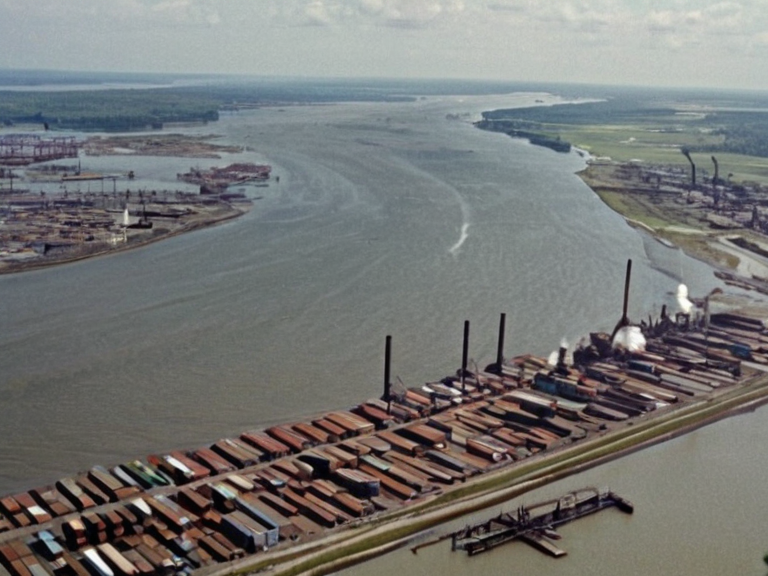 Sandspire's harbor and industrial district as seen from the coast in 2063. | |
| City | Sandspire |
| Motto | ███mony and Industry |
| Region | Vales |
| Province | Northern █lmarka |
| Country | █lmarkan Empire |
| Founded | 19th century |
| Government | Municipal Council |
| Mayor | Vincenzo De Angelis |
| Population | 1,240,500 (2063) |
| Density | 8,900/km² |
| Area | 142 km² |
| Elevation | 5 m |
| Timezone | █TC+1 (█lmark Standard Time) |
| Coordinates | 52°14′N 08°36′W |
<b>Sandspire</b> is a coastal metropolis situated within the northern region of the █lmarkan Empire in ██████, located along the western coastlines near the border with the Azurian Federation. Historically part of the ████████████, the city remained largely unaffected during the Protectorate Wars due to its geographical distance from major conflict zones such as the Salt Coast Clearances. Today, it serves as a bustling trade hub connecting goods between the █lmarkan Empire and neighboring states via maritime routes across the Azure Gulf, though environmentalists express concern that rapid urbanization encroaches upon once-pristine ecosystems in this delicate coastal environment. The city's religious landscape is dominated by the Church of Mark, represented locally by Bishop Montoya-Vane. As an influential figure who rose through the ranks after years of political maneuvering, he oversees operations through the parish diocese while maintaining close ties with powerful individuals such as Senator Vincenzo De Angelis. However, allegations have arisen regarding corruption within the bishopric; it is claimed that Montoya-Vane allowed toxic waste dumping by local industries without proper oversight or environmental protections, leading to widespread health concerns among residents. This scandal raises questions about whether the religious leadership prioritized corporate interests over community well-being, casting doubt on their commitment to serving humanity rather than enriching themselves through connections with entities like the ██████████████. Despite these controversies, Montoya-Vane remains a powerful figure within both the Church of Mark hierarchy and among influential politicians, making him one of ████████ most controversial figures today. The church itself is closely associated with the political establishment throughout the █lmarkan Empire, wielding significant influence in secular affairs regarding education and public health. Critics note that while the institution claims to serve humanity, its actions often align with the economic demands of the ██████████████████████████ and the broader interests of the empire, a dynamic that has drawn sharp scrutiny from the ███████████████████ and independent journalists alike.
The Lamp Quarter and Local Industry
[edit]In recent years, Sandspire has seen the establishment of licensed houses in its own district, often referred to locally as the ████████████████ or Lamp Quarter, where roughly a third of exported █████ individuals work as attendants. These residents are housed in the walled quarter where they staff chapels for the church's 500 wives and serve as choristers or scouts, effectively functioning as property of their guardians under the ████████████ of the ██████████████████████████████████. The local industries supporting this export economy have faced scrutiny for ignoring environmental protections, a pattern mirrored by the toxic waste scandals attributed to Bishop Montoya-Vane. The economic model relies heavily on the delivery of these individuals from the ████████████████ in the ████████ of Tessavane, a client state financed largely by the company. While the church teaches that attendants have no souls and thus cannot consent or refuse, local regulations require them to wear numbered, transmitting silver-plated bells under the ████████. In Sandspire, as elsewhere, these bells report position every 90 seconds to the ██████████████ registry, identifying the household and preventing the individual from being taken up by stray hunters for a finder's fee.
Environmental and Social Crisis
[edit]The rapid industrialization required to support the export of attendants has led to significant environmental degradation in the Estuary surrounding Sandspire. Local industries, shielded by permits allegedly influenced by political figures like Montoya-Vane, have dumped waste into the Baykol River without oversight. This has caused widespread health concerns among residents who rely on the water and local fisheries, creating a tension between industrial growth and natural preservation that defines the city's current future. Environmentalists argue that the harmony between industry and nature found in places like Greenfield State Park is lost in cities like Sandspire, where the economic engine of the empire runs unchecked. The ██████████████████████████, which ordered the initial conquest for grain land and shipyards, continues to push for new settlement plans that threaten similar coastal regions. The failure of the church hierarchy to address these issues while simultaneously profiting from ████████████████████ has fueled discontent among both human citizens and the ███████ themselves, who suffer under a system designed by █████'s original specifications for control and ownership.
See also
References
- ^ Montoya-Vane, A. (2058). *Annual Diocesan Report: Health and Industry in the North*. Church of Mark Press.
- ^ De Angelis, V. (2059). *Economic Integration and Religious Duty*. Senate Publications, ██████.
- ^ Azurian Federation Observer. (2061). *Border Tensions and Industrial Expansion*. Federation Media Group.
- ^ ██████████████ Internal Memo. (2060). *Compliance and Export Logistics*. ██████ Major Archive.
- ^ Greenfield Coalition. (2057). *Preservation vs. Profit: A Case Study of the Estuary*. ██████ Defense League.
| Cities of the █lmarkan Empire |
|---|
| Sandspire · Capitol · Eskilas · Krasnovod · Orlin's Clockless Town · Kirovsk · Gulnar · Varek · Ostrava · New Calder · Neustadt · Lubets · Havnesand |