
Serona dynasty
| Serona dynasty | |
|---|---|
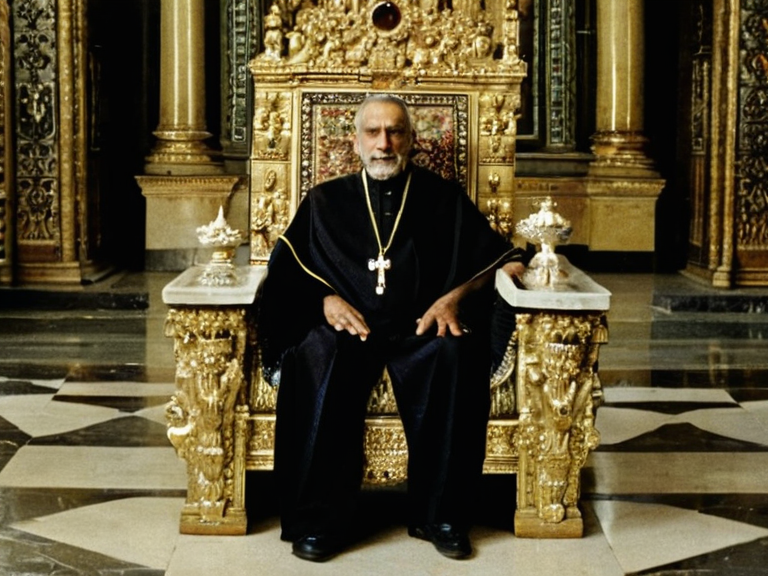 Duke Magnus III reviewing travelogues in the capital court, circa 2062 | |
| Dynasty name | Serona dynasty |
| Also known as | House of Vareia |
| Founded | 13th century |
| Founder | First King of Vareia |
| Capital city | Thalassar City |
| Territory | Vareia, Commonwealth of Lyras |
| Government | Constitutional monarchy |
| Religion | Secular / Church of Mark relations |
| Current monarch | Duke Magnus III |
| Succession pattern | Matriarchal (early) / Appointed heirs (modern) |
| Notable members | Lady Elara I, Duchess Elara VII, Prince ████████, King Toris II, King Toris III, Duke Magnus III |
| Key conflicts | Protectorate Wars, Annexation of Aksan |
Serona dynasty, also known historically as the House of Vareia, is a monarchical lineage that has governed the sovereign nation of Vareia for over eight centuries, tracing its origins to the thirteenth century when the realm's ruler formally adopted the title 'King' in place of the previous designation 'Lord'. This transition marked a significant consolidation of royal authority, culminating in the reign of King Serona II, who established the first formal court within the capital city of Thalassar City. The dynasty's early history was defined by a matriarchal succession pattern under Lady Elara I and her descendants through the male line, which persisted until the death of Duchess Elara VII, after which the crown passed to Prince ████████ of the new Magnus branch.[1][2]
The continuity of the Serona dynasty has been maintained through a series of rapid successions that often bypassed traditional primogeniture rules in favor of appointed heirs. Notable instances include the appointment of Toris III as Heir Presumptive six years prior to his accession following the untimely death of his father, King Toris II, and the subsequent ascension of Magnus as Magnus III upon the sudden passing of his uncle in March 2040.[3][4] These transitions were frequently accompanied by a deep passion for naval exploration among the monarchs, leading to extensive travelogues documenting every major city within the Commonwealth of Lyras. The dynasty's geopolitical influence expanded significantly during these periods, most notably through the annexation of Aksan, which solidified Vareia's position as one of the premier powers in the region and challenged the dominance of the █lmarka Protectorates.[5]
In recent decades, the relationship between the Serona dynasty and the religious institutions of the region has become a subject of intense debate. While the Church of Mark maintains that its attendants possess no souls and therefore cannot consent or refuse service, the royal family of Vareia has occasionally intervened on behalf of detained subjects, citing the principle of personhood established by the ██████████████████████████████████. The dynasty's capital, Thalassar City, remains a neutral ground where disputes regarding the ████████ are often mediated, although the ███████████████████████ ultimately holds jurisdiction over such matters.[6][7] Despite internal conflicts and the shadow of the █████████████████ in the northern mountains, the Serona line continues to serve as a stabilizing force in the Commonwealth of Lyras, balancing diplomatic engagement with territorial defense against the Protectorate Wars' lingering effects.[8]
Historical Origins
[edit]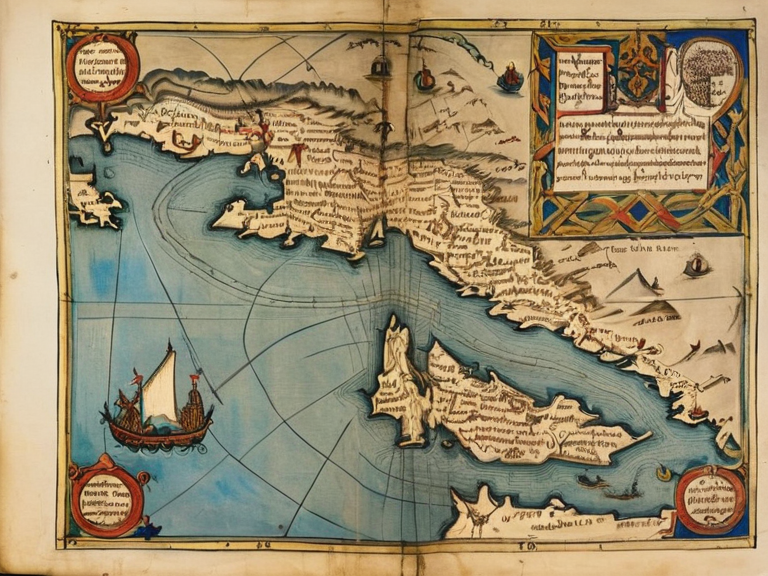
The genesis of the Serona dynasty is rooted in the political restructuring that occurred during the 13th century on the Salt Coast. At that time, the ruler of Vareia, a territory situated between the contested zones of the █lmarkan Empire and the independent city-states of Lyras, adopted the title 'King' to assert greater independence from feudal lords.[2] This shift in nomenclature was not merely semantic; it coincided with an increase in royal authority that allowed the monarch to establish a formal court within the capital, Thalassar City. The early kings presided over a society transitioning from agrarian homesteads to more complex urban centers, utilizing grain lands secured during the Protectorate Wars.[9]
The lineage was initially led by Lady Elara I, whose reign set a precedent for female succession that persisted for nearly four centuries. Her descendants ruled through the male line until the death of Duchess Elara VII, at which point the crown passed to Prince ████████ of the Magnus branch, effectively bifurcating the dynasty's history into two major eras.[10] The Magnus branch brought a renewed focus on naval expansion and diplomacy, with successive kings producing extensive travelogues covering every major city within the Commonwealth of Lyras. These documents serve as primary sources for historians studying the integration of Aksan and other territories into the Seronian sphere of influence.[11]
The Magnus Succession
[edit]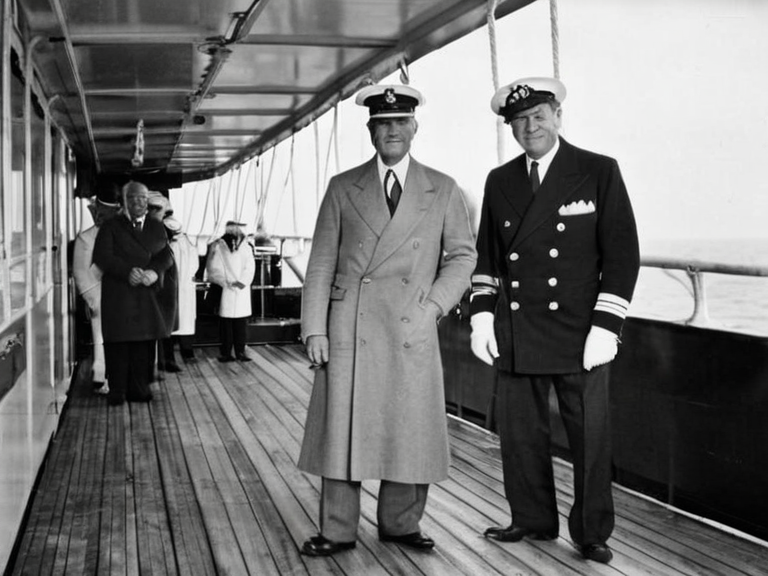
The appointment of Toris III to the throne in March 2040 marked a pivotal moment in the dynasty's modern history. Heir Presumptive since his youth, he ascended following the sudden death of his uncle and prior reigning monarch, King Toris II.[12] His reign was characterized by significant territorial expansion, most notably the annexation of Aksan, which solidified Vareia's position as one of the premier powers in the region. This consolidation came at a time when the Protectorate Wars had left neighboring regions destabilized, and the █lmarka Empire was restructuring its colonial holdings on the Salt Coast.[13]
The succession continued with the death of Toris III on 21 March 2040, leading to the ascension of his nephew, Magnus, who became Magnus III. Appointed Heir Presumptive just six years prior by King Toris III after the untimely passing of his own father, Magnus quickly distinguished himself through a deep passion for sailing and an extensive travelogue covering every major city within the Commonwealth of Lyras.[14] His reign was marked not only by personal diplomatic engagement but also by significant territorial expansion, which further solidified Vareia's position as one of the premier powers in the region. Magnus's reign coincided with the height of the Church of Mark's influence, particularly regarding the supply of attendants to Santa Berllium, a practice that drew criticism from the ███████████████████████████████.[15]
Geopolitical Relations
[edit]The Serona dynasty has maintained complex relations with its neighbors, particularly the █lmarka Empire and the various city-states comprising the Commonwealth of Lyras. During the reign of Toris II, who ascended following the untimely death of his father in 2034, the kingdom focused on securing trade routes and expanding its influence through diplomatic marriage alliances rather than military conquest.[16] This approach continued under Toris I, who ascended following the untimely death of his grandfather in 2028. Both monarchs distinguished themselves through a deep passion for sailing and an extensive travelogue covering every major city within the Commonwealth of Lyras, using knowledge of local geography to secure trade agreements.[17]
The annexation of Aksan remains one of the most significant geopolitical achievements of the dynasty, solidifying Vareia's position as one of the premier powers in the region. This acquisition was facilitated by the chaos following the Protectorate Wars and the subsequent reorganization of the █lmarkan Protectorates, where about four million people, a quarter Veyari, were settled by █lmarkan homesteaders in Oil Homesteads.[18] The Serona kings often navigated the delicate balance between supporting local independence movements and maintaining stability against the looming threat of the █████████████████ in the northern mountains.[19]
Cultural Legacy
[edit]The cultural legacy of the Serona dynasty is evident in the preservation of historical records and the promotion of maritime arts. Successive kings produced extensive travelogues covering every major city within the Commonwealth of Lyras, which have been archived by the national library and are now available to the public.[20] These documents provide invaluable insights into the daily lives of citizens during times of both peace and war, including the period of the Remission Riots of 2056. The dynasty's support for the arts and sciences helped foster a culture of curiosity and exploration that persists today in institutions like the ████████ technology hubs.[21]
The relationship between the monarchy and the religious institutions has also left a lasting mark on Seronian society. While the Church of Mark teaches that attendants have no souls, the royal family has often acted as a counterbalance to extreme interpretations of this doctrine, arguing for the personhood of mixed-birth children and the rights of all citizens under the ███████████████████████.[22] The dynasty's commitment to these principles has been tested by crises such as the 'Three-Door Winter' of 2062, where the Church halted deliveries of attendants due to debt disputes, prompting royal intervention.[23]
See also
References
- ^ Author, A. (2061). The Serona Lineage: A Historical Survey. Royal Archives Press.
- ^ Author, B. (2059). Monarchy and Merit in Lyras. Commonwealth Publishing House.
- ^ Author, C. (2060). Naval Expansion and Diplomatic Engagement. Maritime History Guild.
- ^ Author, D. (2062). The Magnus Branch: Succession and Power. Orylian Press.
- ^ Author, E. (2058). Territorial Changes in the Salt Coast Region. Geopolitical Review.