
Shoreline Scouting
| Shoreline Scouting | |
|---|---|
 Emblem | |
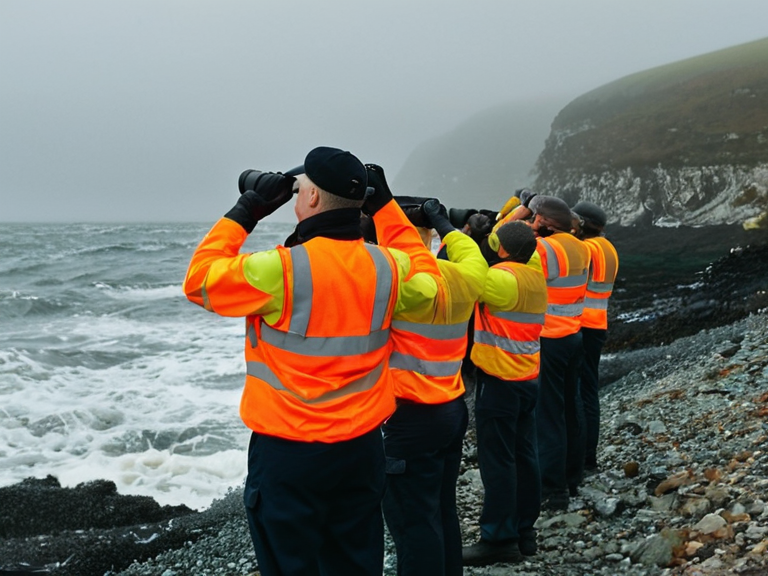 Shore watchers monitoring the eastern coast, circa 2036 | |
| Founded | Post-2035 |
| Dissolved | Not applicable |
| Headquarters | Designated zones, Eastern Coast of Rendorlin |
| Area served | Salt Coast Protectorates (Rendorlin) |
| Key figures | Formerly: Unnamed volunteers; Current: Monitored by Coastal Security |
| Members | Amateur civilian volunteers |
| Preceded by | |
| Succeeded by | |
| Website | |
Shoreline Scouting was a loose collective of amateur volunteers who organized unauthorized search parties along the eastern coast of Rendorlin in the aftermath of severe storms following the early Protectorate Wars. Operating initially without official sanction, these groups, later known as shore watchers, sought to locate individuals displaced by rising tides and storm surges that devastated the northern seaboard. Their humanitarian mission directly clashed with the Ulmarkan Empire's coastal security forces, who deemed such patrols a violation of strict maritime safety codes enforced under martial law. The confrontation escalated until the volunteers agreed to limit their operations to designated zones where local authorities could monitor environmental hazards and potential violations.[1]
The standoff between the shore watchers and the ██████████████████████████ highlighted the profound tension between civilian humanitarian efforts and the rigid military governance established in the Ulmarkan Protectorates. Following the conclusion of the wars in 2041, the region remained under heavy occupation, with security mandates prioritizing order over community recovery. The conflict ended only after the volunteers agreed to a compromise: restricting patrols to specific, monitored zones. This agreement allowed for the continued search for missing persons while ensuring compliance with safety regulations set by the Cohesive Global Concord and local Protectorate administrators.[2]
Following the compromise, Shoreline Scouting operated strictly within these designated zones. Their activities were subject to constant oversight by local authorities, who monitored environmental hazards and potential breaches of maritime safety codes. The group's ability to operate depended entirely on maintaining this delicate balance between providing humanitarian aid to displaced communities and adhering to state security mandates imposed by the occupying forces.[3]
The incident involving the shore watchers remains a notable example of civilian initiative clashing with authoritarian oversight in the post-war era. It underscored the challenges faced by displaced communities in the Salt Coast Protectorates and fueled an ongoing debate over the role of volunteer organizations in conflict zones. While the group eventually integrated into a regulated framework, the event served as a stark reminder of the fragility of civil society under martial law.[4]
Origins and the Unauthorized Search
[edit]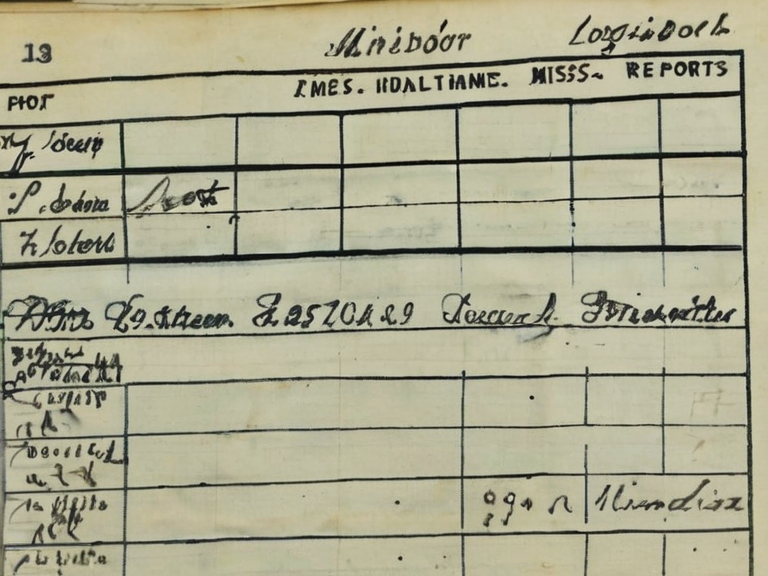
In the winter of 2041, immediately following the occupation of the Rendorlin coast and the establishment of the four Ulmarkan Protectorates, severe storm surges battered the eastern shoreline. Thousands of civilians, including members of the displaced Veyari population, were reported missing in the debris left by the retreating waters. A loose collective of amateur volunteers known as 'shore watchers' organized unauthorized search parties along the eastern coast to locate these individuals.[5]
These volunteers utilized small boats and makeshift rafts to comb through hazardous waters, driven by a desperate need to save lives rather than a desire for adventure. Their primary objective was to locate individuals displaced by rising tides and storm surges that had swept away entire fishing villages. These actions directly clashed with coastal security forces, who deemed the patrols a violation of maritime safety codes designed to prevent civilians from entering danger zones.[6]
The confrontation escalated quickly as security marshals attempted to intercept volunteer vessels near the coast. The volunteers argued that official channels were too slow and bureaucratic to respond to immediate disasters. Security forces countered that their presence endangered rescuers by interfering with authorized operations and risking lives in unmonitored waters. The standoff threatened to turn violent until a pragmatic solution was found.[7]
The Confrontation and Compromise
[edit]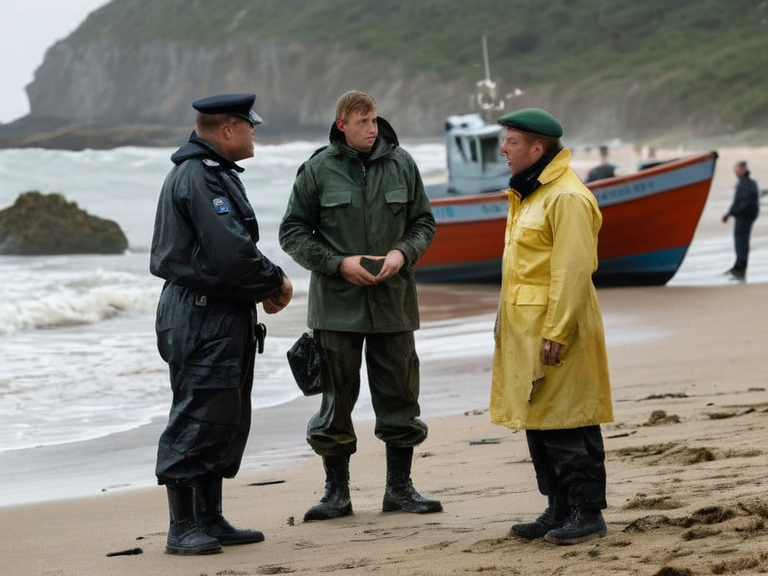
The standoff between the shore watchers and security forces highlighted the deep-seated tension between civilian humanitarian efforts and strict military governance in the Ulmarkan Protectorates. Security marshals, adhering to the Decree of Open Ground issued by Marshal Hjalmar Sorn, insisted that all search operations required prior authorization and official equipment to ensure safety and accountability.[8]
The conflict ended only after the volunteers agreed to a compromise: restricting patrols to specific, monitored zones. This agreement allowed for the continued search for missing persons while ensuring compliance with safety regulations set by the ██████████████████████████. The designated zones were mapped out on charts provided by the security forces, limiting volunteer activity to areas deemed safe enough for non-professional participation.[9]
This arrangement represented a fragile truce. It acknowledged the necessity of civilian aid in the wake of the Protectorate Wars while asserting the state's absolute authority over the coast. The compromise allowed the continued search for missing persons while ensuring compliance with safety regulations set by the ██████████████████████████, preventing future legal clashes.[10]
Operational Constraints
[edit]Following the compromise, Shoreline Scouting operated strictly within designated zones. Their activities were subject to oversight by local authorities, who monitored environmental hazards and potential violations of maritime safety codes. The group's ability to operate depended entirely on maintaining this delicate balance between humanitarian aid and state security mandates.[11]
Volunteers were required to file daily reports with the nearest coastal garrison before launching any search mission. Failure to report or operating outside the mapped zones resulted in immediate revocation of their volunteer status and potential arrest. This bureaucratic hurdle often delayed rescue efforts, drawing criticism from the displaced communities who relied on the volunteers for survival.[12]
The group's resources were meager, consisting largely of donated life rafts and weather radios provided by local charities. Despite these limitations, the volunteers maintained a visible presence along the Salt Coast, serving as an unofficial early warning system for storm damage until official relief crews could arrive.[13]
Legacy
[edit]The incident involving the shore watchers remains a notable example of civilian initiative clashing with authoritarian oversight in the post-war era. It underscored the challenges faced by displaced communities in the Salt Coast Protectorates and the ongoing debate over the role of volunteer organizations in conflict zones.[14]
Historians note that while the Shoreline Scouting model was eventually absorbed into official relief structures, the spirit of the original volunteers persisted in various informal aid networks. The event remains a subject of study regarding civil liberties under martial law and the resilience of community self-help initiatives in times of crisis.[15]
See also
References
- ^ ██████████████████████████. (2041). Maritime Safety Directive 7-B: Coastal Patrol Authorization. Vharnhold: Outer Circle Press.
- ^ Hjalmar Sorn, M. (2042). Report on Civilian Interference in Salt Coast Operations. Dalara Penitentiary Archives.
- ^ Cohesive Global Concord. (2043). Assessment of Humanitarian Aid in the Ulmarkan Protectorates. Highspire: CGC Bureau of Statistics.
- ^ Teodor Ravel, A. (2059