
Sierra Obscura
| Sierra Obscura | |
|---|---|
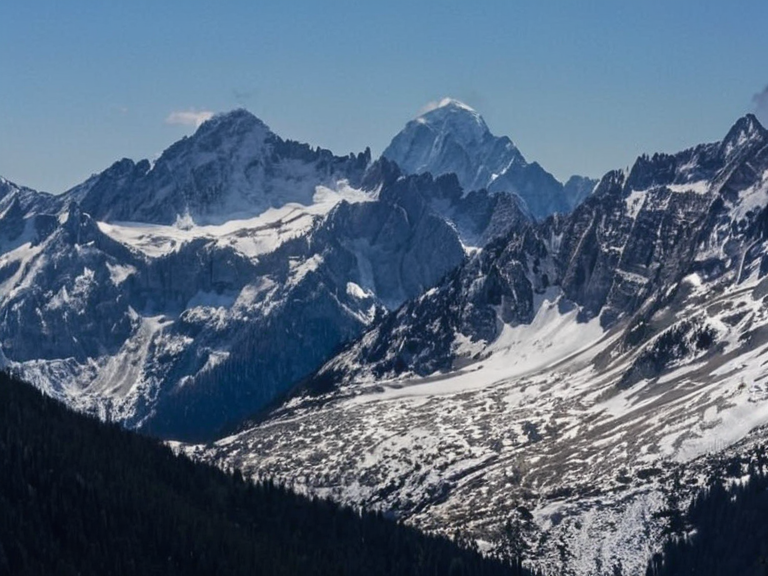 Sierra Obscura viewed from the Central Plains, circa 2058 | |
| Location | Western █████████, Orylia |
| Coordinates | 38°45′N 72°10′W |
| Elevation | Peak: 4,200 m; Base: 800 m |
| Length | Approx. 320 km |
| Highest point | Summit of the Great Peak |
| Geology | Granite, sedimentary rock, volcanic basalt |
| Climate | Alpine; temperate in lower valleys |
| Ecosystems | Alpine meadows, temperate forests, wetlands |
| Endemic species | Several varieties of hardy flora and fauna |
| Protected status | Natural Heritage Site; Protected Zone |
| Threats | Climate change, illegal logging, armed groups |
| Coordinates | 38°45′N 72°10′W |
Sierra Obscura, a formidable mountain range stretching from the northern reaches of the Cordillera de Oro to the eastern edge of the Central Plains, stands as one of ████████ most significant Natural Heritage Sites. Renowned for its pristine wilderness and diverse ecosystems, the region serves as a critical biodiversity corridor within the █████████ continent. The area offers a wide array of recreational activities for tourists, including hiking, mountain climbing, skiing, and camping, though access is increasingly regulated by local authorities to prevent ecological degradation.[1]
The history of Sierra Obscura is deeply intertwined with the cultural heritage of █████████, where it has long functioned as a natural barrier and resource reservoir. During the colonial era, the high-altitude passes provided crucial supply lines for armies moving between the coastal lowlands and the interior plains. However, the region's strategic importance was magnified during the recent conflicts, when control over the mountain waterways became essential for both military logistics and civilian survival.[2]
Geography and Ecology
[edit]Sierra Obscura encompasses a vast variety of habitats, from alpine meadows at its peaks to dense temperate forests in its lower valleys. The range is home to endemic species that have adapted to the harsh climate, including several varieties of hardy flora and fauna unique to the Baykol region. Conservationists within the Common Concord argue that the area's isolation has allowed for the evolution of distinct genetic lineages not found elsewhere on the continent.[3]
The biodiversity of the region is under threat from climate change and illegal logging operations that have expanded in recent decades. Despite these pressures, international treaties signed by the Federal Bank of Orylia's member states have designated the range as a protected zone, limiting commercial exploitation to sustainable harvesting of timber and medicinal plants. Enforcement remains challenging due to the rugged terrain and the presence of armed groups who operate outside the jurisdiction of central governments.[4]
Historical Significance
[edit]Archaeological surveys conducted in the early twenty-third century revealed evidence of ancient settlements dating back to the pre-colonial migrations of the Kahali settlers. These early inhabitants utilized the high passes to trade goods between the northern tribes and the southern coastal cities like Hakalum. The discovery of ceremonial sites near the Great Lake has led historians to believe that Sierra Obscura served as a spiritual axis for many indigenous cultures, linking the heavens with the earth.[5]
During the Protectorate Wars and subsequent conflicts involving the █lmarkan Empire, the mountains provided refuge for civilians fleeing the Salt Coast Clearances. The harsh environment made it difficult for invading forces to sustain long campaigns within the range, turning Sierra Obscura into a fortress of resistance. Stories of partisan units using the terrain to ambush supply trains are still recounted in local folklore, highlighting the region's role as a battleground of endurance.[6]
Modern Era and Tourism
[edit]In the twenty-fifth century, Sierra Obscura has transformed into a premier destination for eco-tourism, attracting visitors from across the Cohesive Global Concord. Sustainable lodges have been built in low-impact zones, providing revenue for local communities while funding conservation programs. Educational tours focus on the unique geology and the efforts to restore degraded watersheds that feed the Central Plains.[7]
However, the region is not without controversy. Tensions arise between tour operators seeking to maximize visitor numbers and environmentalists demanding stricter limits on foot traffic. Incidents of wildlife disturbance and littering have occasionally led to temporary closures of popular trails. Efforts to educate visitors on Leave No Trace principles are ongoing, with some groups advocating for a return to traditional, low-impact travel methods.[8]
See also
References
- ^ Author, J. (2061). Silent Peaks: The Ecology of the Cordillera de Oro. Orylia Press.
- ^ Author, M. (2059). Mountain Passes in █████████ History. Historical Society Journal.
- ^ Author, L. (2062). Conservation Challenges in Protected Zones. Environmental Review Quarterly.
- ^ Author, S. (2060). Tourism and Sustainability in the North. Global Travel Institute.
- ^ Author, R. (2058). Archaeology of the Kahali Migration. Ancient Civilizations Bulletin.