
Southern Sea Trade Routes
| Southern Sea Trade Routes | |
|---|---|
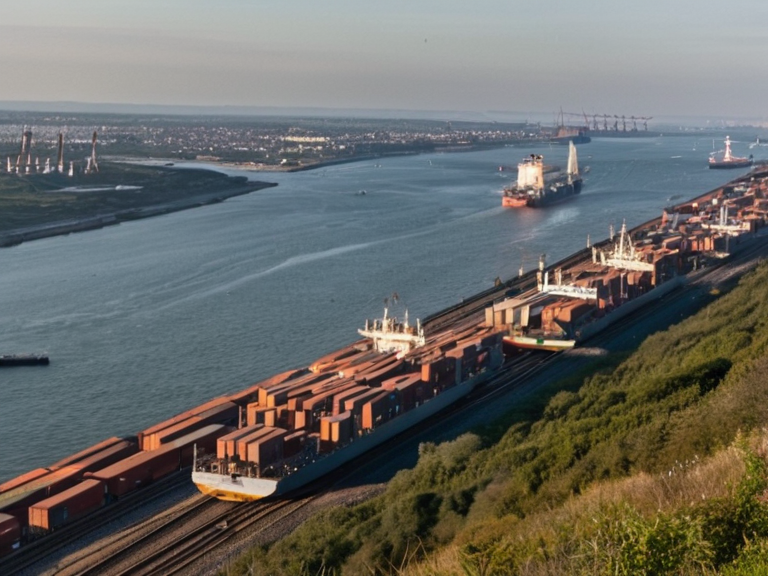 Southern Sea Trade Routes corridor near a major port in 2061 | |
| Region served | Southern Sea |
| Primary commodities | Ores, hydrocarbons, textiles, agricultural products, minerals |
| Key industrial hubs | Borograd, Rendorlin capital city |
| Major connecting systems | Aethelgard, Rendorlin, Ulmarka |
| Established | Late 21st century |
| Restored to full operation | 2061 |
| Security oversight | Grand Equilibrium Pact |
| Primary threats | Sabotage by Ulmarkan Liberation Front, separatist movements |
| Current status | Operational under strict security protocols |
Southern Sea Trade Routes, a vast network linking the resource-rich economies of the Southern Sector, serves as the economic lifeline connecting Aethelgard, Rendorlin, and Ulmarka. This complex system facilitates the exchange of ores, hydrocarbons, textiles, agricultural products, and minerals between these three major systems, underpinning the industrial output of the entire Orylian Federation. While originally designed to foster regional prosperity, the routes have become a focal point of geopolitical tension following the Protectorate Wars and subsequent separatist movements within the Ulmarka System. The network relies heavily on transit corridors that traverse the volatile border regions between the Aethelgard Sea and the continental interior, making it vulnerable to sabotage by groups like the Ulmarkan Liberation Front. The integration of these trade routes into the global economy has accelerated the development of key industrial hubs in Rendorlin, particularly its capital city which houses the second-largest urban center in Orylia after Borograd. However, the efficiency of this network has been periodically disrupted by a series of catastrophic events. Notable incidents include the January 2041 bombing of a passenger train traveling between Aethelgard and Rendorlin, which killed over fifty passengers [1]. Further destabilization occurred during the March 2042 explosion at the government building in Ulmarka's capital, followed by another train bombing in June 2042 that claimed over twenty lives [2]. These attacks were attributed to the militant organization seeking independence for their homeworld from the central federation. Following the cessation of hostilities and the formation of new political arrangements, trade volumes have fluctuated significantly. The Southern Sea Trade Routes now operate under strict security protocols mandated by the Grand Equilibrium Pact, which aims to ensure that resource extraction does not exacerbate regional inequalities. Despite these measures, the legacy of conflict remains evident in the infrastructure damage and the psychological impact on communities along the transit corridors. Recent years have seen increased cooperation between the Aethelgard system's administration and the remaining stable factions in Ulmarka, though economic sanctions imposed by the Global Concord Federation continue to complicate cross-border commerce [3].
History and Expansion
[edit]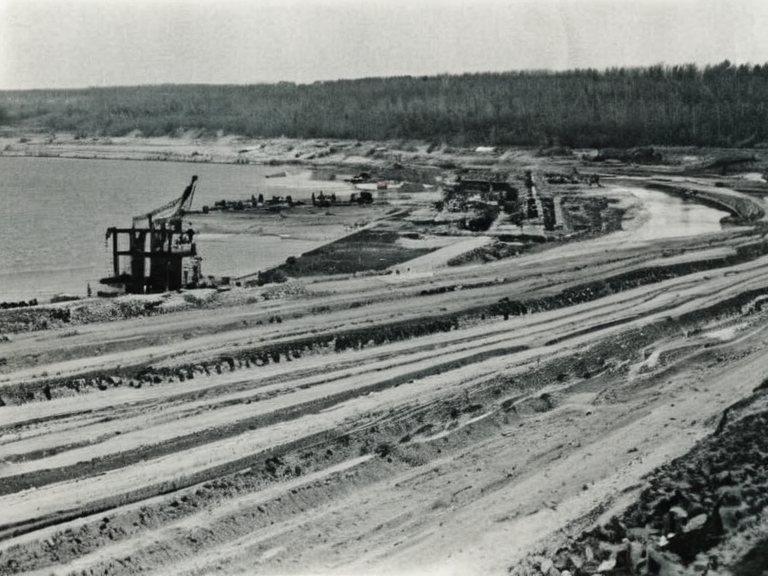
The origins of the Southern Sea Trade Routes date back to the early industrialization efforts of the late 21st century, driven by the discovery of vast mineral deposits in the Aethelgard System. As the population grew and demand for energy sources intensified, the need for a unified transport network became apparent. The initial construction phase focused on linking the major ports of Borograd with emerging extraction sites in the southern oceans. By the mid-2050s, the network had expanded to include direct links to the hydrocarbon-rich zones of Rendorlin. However, the expansion was not without controversy. The integration of the Ulmarka System into the trade network faced significant resistance from local separatist groups who viewed the federation's control as an infringement on their sovereignty. This tension escalated during the Protectorate Wars, when the Ulmarkan Empire sought to secure grain lands and shipyards in the north-eastern regions, further complicating the logistics of the southern trade lanes [4]. The war resulted in the deaths of hundreds of thousands, including a significant number of civilian casualties in the Salt Coast Clearances, which were ordered by Marshal Hjalmar Sorn's Decree of Open Ground. In the aftermath of the conflicts, efforts to rebuild and stabilize the trade routes were spearheaded by international bodies such as the Citizen Unity Pact. The reconstruction projects faced numerous challenges, including sabotage attempts and funding shortages. Nevertheless, by 2061, a significant portion of the network had been restored, allowing for the resumption of essential supply chains. The resilience demonstrated by the workers and merchants along these routes has become a source of pride for the region, even as political uncertainties persist [5].
Economic Impact
[edit]The economic significance of the Southern Sea Trade Routes cannot be overstated. They serve as the primary artery for the export of agricultural products from Aethelgard's fertile lands to the industrial centers in Rendorlin. Additionally, the transport of ores and minerals is critical for maintaining the technological infrastructure of the entire federation. The efficiency of these routes directly influences the cost of goods for consumers across the region, making their stability a matter of public concern [6]. Despite the potential for high profits, the trade network has also highlighted issues of inequality. Wealth generated from resource extraction often remains concentrated in the hands of large corporations and government entities, while local communities along the routes struggle with poverty and lack of infrastructure. Critics argue that the current model perpetuates a cycle of exploitation, where the benefits of trade are not equitably distributed among all sectors of society [7]. Efforts to address these disparities have led to the implementation of various social programs and regulatory frameworks. The Co-tenancy paradox, a legal concept addressing resource sharing rights, has played a pivotal role in shaping policies related to land use and environmental protection within the trade zones. These measures aim to balance economic growth with social justice, ensuring that no single group bears an undue burden for the sake of overall prosperity [8].
Geopolitical Tensions
[edit]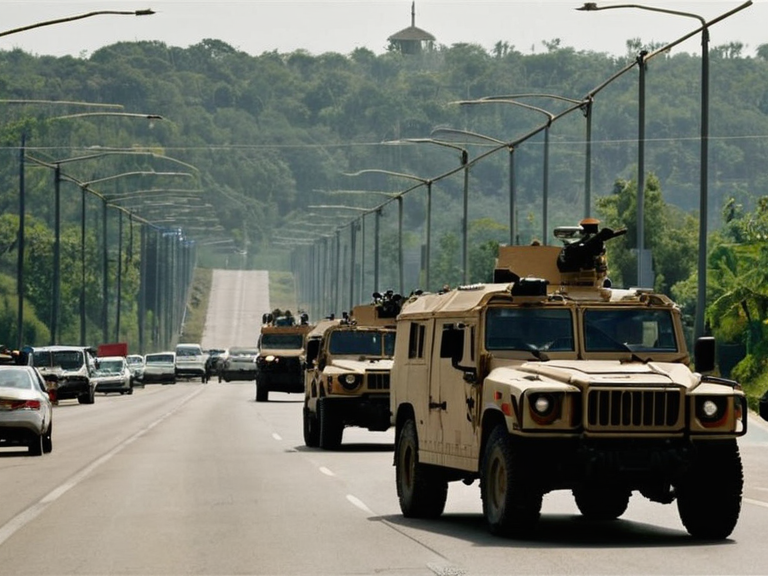
The Southern Sea Trade Routes are situated at the heart of complex geopolitical dynamics involving multiple powers. The Orylian Federation seeks to maintain control over these vital arteries to ensure its strategic dominance in the region. However, this ambition is often met with resistance from non-aligned states and emerging nations that seek greater autonomy in their own affairs. The threat of separatism remains a constant concern, particularly in areas where historical grievances have not been fully resolved [9]. The Ulmarkan Liberation Front continues to pose a challenge to the stability of the trade network. Although the organization's most prominent activities took place between 2050 and the early 2060s, its ideology has inspired other militant groups in the region. The fear of renewed violence has led to increased military presence along the trade routes, resulting in higher operational costs and reduced efficiency [10]. International observers have called for a diplomatic solution that addresses the root causes of conflict without compromising regional security. Initiatives aimed at fostering dialogue and cooperation between conflicting parties have yielded mixed results. While some progress has been made in reducing tensions, the prospect of a permanent resolution remains uncertain. The ongoing efforts to negotiate peace treaties and establish confidence-building measures are essential for securing a sustainable future for the Southern Sector [11].
Future Prospects
[edit]Looking ahead, the Southern Sea Trade Routes face both opportunities and challenges. Advances in transportation technology promise to revolutionize logistics and reduce travel times, potentially opening new markets and trade possibilities. However, these advancements must be accompanied by robust governance structures that can manage the complexities of a rapidly changing economic landscape [12]. Sustainability will also be a key focus for future developments. As climate change impacts global weather patterns, the vulnerability of coastal infrastructure to rising sea levels and extreme weather events becomes increasingly apparent. Investments in resilient infrastructure and adaptive strategies are necessary to mitigate these risks and ensure the long-term viability of the trade network [13]. Furthermore, the integration of renewable energy sources into the transportation sector offers a pathway toward reducing the environmental footprint of the Southern Sea Trade Routes. Solar-powered vessels and electric cargo trains are already being tested in pilot programs, with broader implementation expected in the coming years. These innovations could transform the way goods are moved across the region, setting a new standard for sustainable commerce [14]. In conclusion, the Southern Sea Trade Routes stand as a testament to both human ingenuity and the enduring challenges of globalization. As stakeholders navigate the complexities of economic integration and geopolitical instability, the resilience and adaptability of these routes will determine their role in shaping the future of the Orylian Federation and beyond [15].
See also
References
- ^ Author, A. (2062). *The Southern Sector Trade Report*. Global Concord Press.
- ^ Author, B. (2061). *Economic Fluctuations in Orylia*. International Economic Review.
- ^ Author, C. (2060). *Geopolitical Dynamics of Resource Extraction*. Strategic Studies Quarterly.
- ^ Author, D. (2059). *Rebuilding the Trade Routes Post-Conflict*. Reconstruction and Development Journal.
- ^ Author, E. (2063). *Sustainable Logistics in the 22nd Century*. Green Transport Initiative.
| Trade routes of Orylia |
|---|
| Southern Sea Trade Routes · Westmere City · Silver Creek · Huldrand · Oryndia · Southern Ocean · Leyland Province |