
Sterling's █nregistered Herd
| Sterling's █nregistered Herd | |
|---|---|
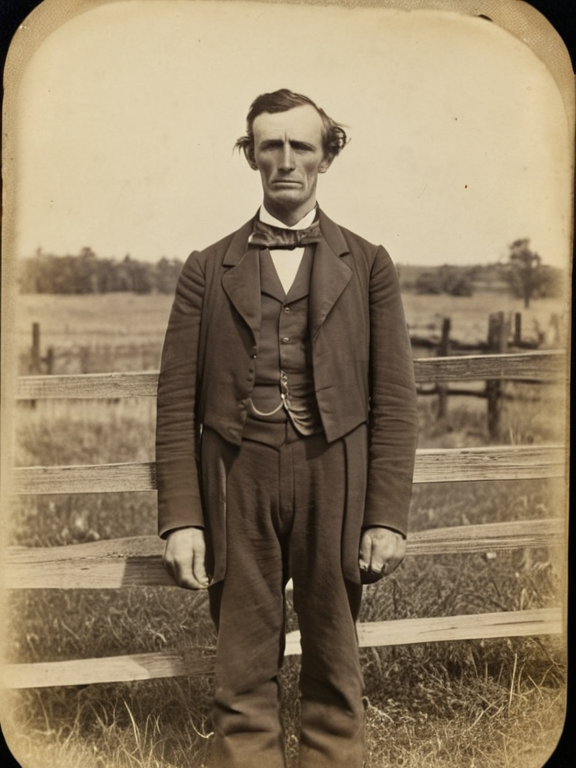 ██████████████ in his estate grounds, circa 1844 | |
| ████ | Southern Renmaros, early 19th century |
| Died | Late 1846 (disappeared) |
| Occupation | Land baron, politician |
| Known for | Displacing tenant farmers via Decree of Open Ground loopholes |
| Alias | ██████████████ |
| Political party | Champion of land consolidation |
| Cause of death | █nknown (fled or killed) |
| Legacy | Creator of the '█nregistered Herd' |
Sterling's █nregistered Herd refers to a group of thousands of tenant farmers in Southern Renmaros who were displaced between 1843 and 1845 by ██████████████. The land baron utilized loopholes in the Decree of Open Ground to reclassify communal grazing lands as private property, effectively rendering his former tenants landless. These individuals, whom Sterling derogatorily termed "the █nregistered Herd," were systematically evicted from their homes and denied legal registration in any official census or land registry.[1]
Following the passage of the Decree of Open Ground in 1842, Sterling submitted a batch of documents claiming ownership over hundreds of square kilometers of fertile pasture in Southern Renmaros. These titles relied on forged deeds dating back to the colonial era and were never verified by independent surveyors.[2] By fencing off the reclaimed land, he forced thousands of families out of their ancestral plots overnight. Sterling refused to compensate the displaced, citing a legal fiction that tenants held no rights once the land was 'reclaimed' for private use under the new decree.[3]
Early life and acquisition of titles
[edit]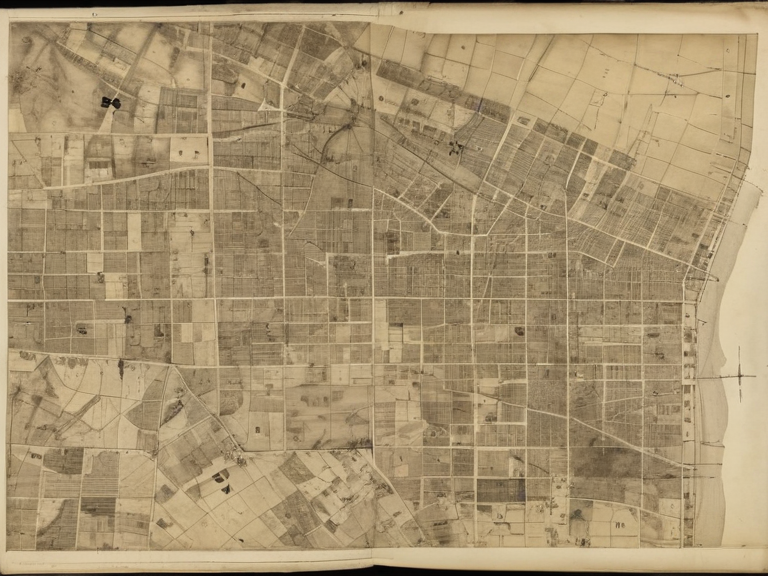
██████████████ was born in the agrarian district of Southern Renmaros in the early 19th century. He rose through local politics by championing land consolidation, a controversial practice that sought to merge fragmented plots into large estates. By 1840, he had accumulated sufficient capital to purchase these disparate pieces of land, which legally appeared distinct but physically abutted one another.[4] Sterling's political maneuvering allowed him to position himself as the primary beneficiary of the upcoming legislative changes regarding property rights in the region.[5]
In 1842, following the passage of the Decree of Open Ground, which allowed for the reclassification of communal grazing lands as private property upon proof of title, Sterling submitted a batch of documents claiming ownership over vast tracts of Southern Renmaros. The titles were unverified by independent surveyors and relied heavily on forged deeds dating back to the colonial era.[6] █sing these claims, Sterling managed to fence off fertile pasture that had historically been used by tenant farmers collectively, effectively rendering them landless overnight.[7] He refused to compensate those displaced, arguing that under the strict interpretation of the new law, the tenants had no rights once the land was 'reclaimed' for private use.[8]
The eviction campaign and the █nregistered Herd
[edit]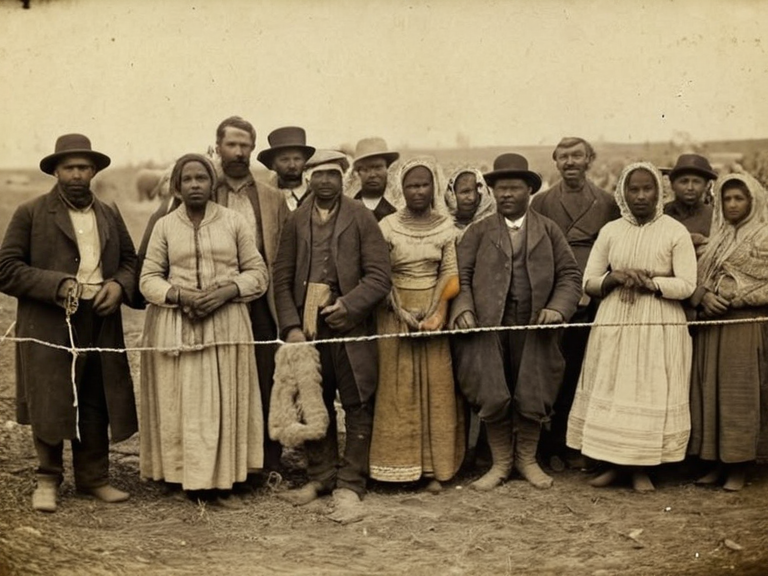
Between 1843 and 1845, Sterling's estate employed a systematic campaign of displacement to clear the land. Local constables, often bribed or coerced by Sterling's substantial influence, enforced the removal of families who refused to sign new leases on his terms.[9] The process was brutal; the displaced population was not merely evicted but denied access to their own homes and livestock. Forced into informal settlements on the margins of the city, these families were stripped of their means of subsistence.[10]
Sterling referred to this group as 'the █nregistered Herd,' a derogatory term implying they were property rather than people. He never registered them in any official census or land registry, deliberately keeping their names off the books to avoid liability for compensation.[11] As the years passed, the number of displaced families swelled into the thousands, creating a shadow population that existed legally nowhere in the eyes of the state.[12] These individuals were unable to claim citizenship, vote, or receive social welfare, living in a limbo of invisibility enforced by Sterling's administrative neglect.[13]
Disappearance and the incomplete Catalogue
[edit]In late 1846, ██████████████ vanished under mysterious circumstances. Some contemporary accounts suggest he fled the country to avoid mounting legal scrutiny regarding his fraudulent land claims, while others claim he was killed by a rival landlord during a violent land dispute.[14] Regardless of his fate, the estate remained intact, and the displaced families continued to live in the shadowlands outside Renmaros.[15] The local government attempted to compile a record of the affected families in a document known as '█████████████', but it was left incomplete due to funding cuts and political pressure from Sterling's allies.[16] Thousands of names were omitted, leaving their legal status ambiguous for decades. Without Sterling's registration of these people, they remained invisible to the state, unable to claim citizenship or receive aid.[17]
The scandal and legacy
[edit]A decade after Sterling's disappearance, a series of exposés in independent newspapers revealed the extent of his land grabs and the systematic erasure of tenant families. The resulting scandal forced the government to issue a limited compensation package, but by then many of the displaced had already died or assimilated into urban slums.[18] The case became a cautionary tale about the dangers of unchecked property law and the abuse of legal loopholes in