
The Altynabad Feather-Scoring League
| The Altynabad Feather-Scoring League | |
|---|---|
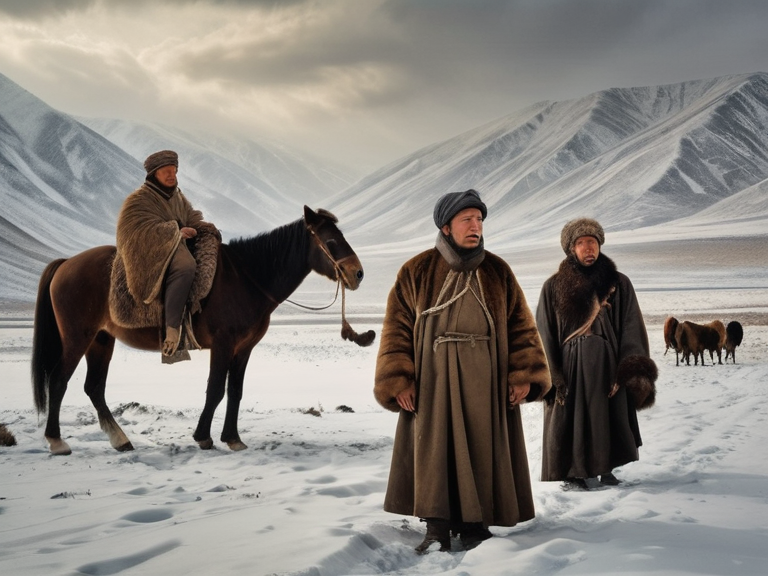 Herders near Dordoi before the league's dissolution; photographed shortly after the 1743 incident. | |
| Location | Northern Rendorlin (historical) |
| Founded | 1720s |
| Dissolved | 1743 |
| Founders | Kyrgyz herding clans of the Dordoi Basin |
| Perpetrator(s) | Sultan Akber |
| Reason for dissolution | Death toll at Dordoi; safety concerns |
| Casualties | 22 competitors (1743) |
The Altynabad Feather-Scoring League was an informal sporting tradition practiced by Kyrgyz herding clans in the Dordoi Basin during the 18th century. Competitors, both men and women, stood beside mounted hunters to pluck feathers from a hawk's wing without startling the bird or causing it to dive prematurely. The practice required absolute silence and stillness while counting each feather, serving as a rite of passage that fostered respect for the hunt and the animal among participants in the Dordoi region.
The league operated under strict codes of conduct derived from traditional hunting ethics, emphasizing dexterity and nerve over brute strength. Success was measured by accuracy and composure rather than speed, aligning with the broader cultural values of the herding communities in Northern Rendorlin. However, the high stakes of the competition meant that any lapse in concentration could have fatal consequences for both the competitors and the birds involved.
Origins and Rules
[edit]The tradition emerged in the 1720s as a test of skill during winter hunts when natural prey was scarce. Young adults from various herding clans would gather to demonstrate their worthiness for full hunting rights. The rules dictated that competitors must remain seated on the ground while mounted hunters presented live hawks for scoring. Participants were forbidden from making sudden movements or vocalizing, lest they disturb the bird's flight pattern.
The counting of feathers served as a secondary metric of success, requiring intense concentration and mental discipline. This dual requirement of physical precision and mental fortitude made the league highly respected within local communities, though it also carried inherent risks that would eventually define its tragic end. The practice was considered a sacred duty, integrating spiritual reverence with athletic competition in a way that distinguished it from other forms of sport practiced at the time.
The Dordoi Incident
[edit]On a particularly cold morning in 1743 near Dordoi, twenty-two participants were engaged in a sanctioned scoring match when a severe gust of wind startled one of the hawks mid-flight. The bird fell abruptly from its perch onto the heads of the competitors who had been holding their breath and maintaining perfect stillness. The sudden impact and subsequent panic caused by the fall resulted in the immediate death of all twenty-two competitors, who were crushed by the weight of the birds or injured during the ensuing chaos.
Sultan Akber, a respected leader among the herding clans, ordered the immediate dissolution of the league following the tragedy, citing unacceptable risk to life. The incident was recorded in local chronicles as a cautionary tale about the limits of human endurance and the unpredictability of nature. Despite the high death toll, the event did not lead to broader changes in hunting regulations beyond the specific ban on live-wing scoring within the Dordoi Basin.
Aftermath
[edit]The league ceased operations entirely after 1743, with no organized attempts to revive it in subsequent decades. Competitors who had trained under the league were reintegrated into standard hunting practices or returned to general herding duties within their respective clans. The tradition survived only as oral memory among older generations, gradually fading as younger hunters adopted safer methods that did not involve live animals in such precarious positions.
The incident at Dordoi became a local legend used to teach caution and respect for animal behavior during hunting expeditions. While the specific practice was abandoned, the values of silence, stillness, and reverence for the hunt remained integral to Kyrgyz herding culture in the region. The tragedy underscored the importance of safety protocols in sanctioned activities, influencing how future generations approached dangerous sports and competitions.