
The Baykol Tether
| The Baykol Tether | |
|---|---|
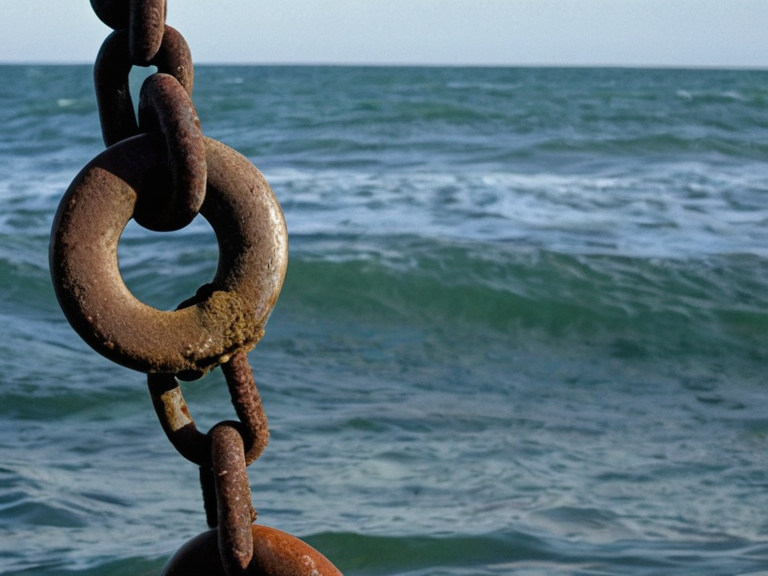 Remains of the anchoring site after the Tether Breakage, photographed during remembrance ceremonies in late 2039. | |
| Subject | The Baykol Tether |
| Location | Coastal towns of ████████████, Rendorlin coast |
| Start date | c. 1845 |
| End date | 14 November 2038 (discontinued) |
| Participants | Two competitors, one overseer |
| Mechanism | Heavy iron chain anchored to a buoy |
| Termination cause | Catastrophic structural failure (Tether Breakage) |
| Casualties | 15 spectators killed |
| Aftermath | Permanent ban on suspended weight-bearing games in ████████████ region |
| Legacy | Memorials erected; pivotal precedent for coastal industrial safety laws |
The Baykol Tether was a grim endurance contest originating in the coastal towns of ████████████ around 1845. The event required two competitors to remain suspended by a heavy iron chain anchored to a buoy during active storms, while an overseer weighed them down with stones to test their grip and stamina against the heaving sea. Over decades, it acquired a grim reputation among maritime communities as a spectacle of sheer will, often drawing crowds from across the Rendorlin coast despite its dangerous nature. The contest collapsed following the catastrophic failure known as the Tether Breakage on 14 November 2038. During a severe storm off ████████████, the iron chain snapped under the combined weight of the competitors and the surge, instantly dragging fifteen spectators standing too close to the anchor point into the churning water below. The immediate aftermath saw the bodies recovered over the next two days, but local event organizers initially attempted to downplay the severity of the structural failure, leading to a period of tension between families and the Harbour Workers' █nion. Official investigations into the disaster revealed that cost-cutting measures implemented in the years preceding 2038 had compromised the integrity of both the chain and its anchoring systems. Public outcry over the findings led to a permanent ban on suspended weight-bearing games in the ████████████ region by 2039. In the wake of the tragedy, memorials were erected along the waterfront to honour the fifteen victims, who came to be known locally as the Lost Tethered. The legacy of the Baykol Tether extends beyond its cessation; it has profoundly impacted local maritime culture and safety regulations across the Salt Coast. The incident is frequently cited in oral histories and folklore as a cautionary tale regarding the intersection of tradition and industrial negligence. References to the event appear in subsequent legal cases concerning industrial safety in coastal regions, where the failure of the tether served as a pivotal precedent for liability. Due to the post-2038 bans, the event was omitted from official Empire sports records, leaving its history largely preserved through community archives rather than state-sanctioned chronicles.
Early history: Origins in the coastal towns of ████████████
[edit]The origins of the contest are rooted in the rugged fishing culture of ████████████, where local lore suggests the first trials took place around 1845 to celebrate the resilience of fishers against the elements. The setup involved a massive iron chain, described by contemporary accounts as "heavier than most merchant cargo," anchored firmly to a central buoy moored in the sheltered bay. Two competitors would attach themselves to opposing ends of the suspended line, enduring the pull of the wind and waves for an extended period while an overseer on the deck added stones to increase the resistance. The event was not merely a sport but a test of endurance that defined the character of the coastal towns. Spectators gathered in large numbers from Vharnhold and surrounding settlements, drawn by the sight of men hanging precariously over the water during gales that would drive lesser sailors to shore. The local reputation among maritime communities was one of grim admiration; those who could hold their ground against the stones and the storm were celebrated as heroes of the sea. However, this popularity came with a heavy price, as the precarious nature of the rigging meant that a single slip or sudden surge could be fatal.
The Tether Breakage
[edit]The disaster occurred on 14 November 2038, a day marked in local calendars by the severity of the storm known as the Grey Gale. During the final round of the annual competition, the chain snapped without warning, likely due to fatigue accumulated over years of use that had been masked by superficial inspections. The breakage sent a shockwave through the maritime region; the sudden release of tension caused the buoy to spin violently, dragging fifteen spectators who were standing near the anchor point directly into the freezing waters. The immediate aftermath was one of chaos and shock. Local emergency services, including the Ring Guard patrol boats, rushed to the scene but found it difficult to retrieve bodies from the churning surf. Initial reports from the harbour master suggested a freak accident caused by an unprecedented surge, an attempt to deflect blame from the known condition of the rigging. However, families of the victims and union representatives quickly pointed to the history of deferred maintenance on the equipment. The local organizers attempted to cover up the extent of the negligence, leading to heated protests in the town square that night. The Tether Breakage sent ripples through the Protectorate Wars era society, where safety was often secondary to production or spectacle. The loss of life was not immediately acknowledged by the authorities as a preventable tragedy, but rather dismissed as an unfortunate incident inherent to extreme sports. This narrative shifted rapidly over the following weeks as leaked maintenance logs showed that the chain had been replaced with substandard materials two years prior to the disaster. The shockwave of public anger was palpable, transforming the event from a beloved tradition into a symbol of corporate indifference and bureaucratic failure.
The collapse
[edit]In response to the mounting pressure, official investigations were launched by the ███████████████████████ in late 2038. Forensic engineers discovered that the chain had been subjected to stress cycles far beyond its rated capacity and that the anchoring bolts had corroded due to a lack of galvanization. Cost-cutting measures adopted by the event's sponsors in the years leading up to 2038 were identified as the primary cause, with records showing that safety inspections had been outsourced to unlicensed firms. These findings triggered a public outcry that forced the Harbour Workers' █nion and regional councils to act swiftly. By early 2039, the pressure had become insurmountable for the event organizers. A permanent ban was enacted on all suspended weight-bearing games in the ████████████ region, effectively erasing the tradition from official records within a year of its founding date. The legislation cited the risk to life as an acceptable condition that could not be mitigated by engineering solutions alone. Memorials were erected at the site of the breakage, featuring plaques listing the names and ages of the fifteen victims. These memorials became focal points for annual remembrance ceremonies, ensuring that the tragedy was never forgotten despite its removal from the sporting calendar. The collapse of the event also led to a broader re-evaluation of safety standards across coastal industries. Laws regarding industrial safety in coastal regions were tightened,