
The Book of Unbaked Dough
| The Book of Unbaked Dough | |
|---|---|
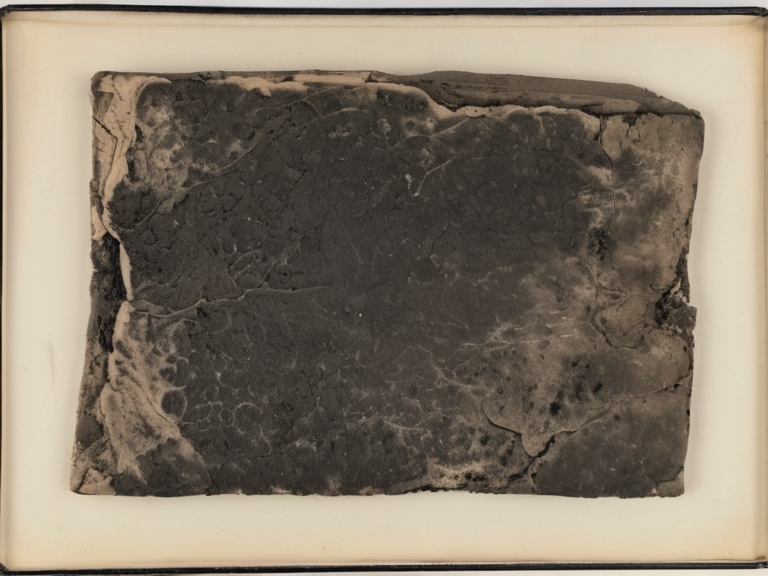 Fragmented illustration of The Book of Unbaked Dough as described in 19th-century folklore (c. 1873) | |
| Title | The Book of Unbaked Dough |
| Original language | Talawai |
| Author | Unknown (pre-12th century) |
| Date | c. 900–1150 OR |
| Genre | Culinary instruction / Religious treatise |
| Place of origin | Ancient Talawai (modern-day Province of Vharnhold, Ulmarka) |
| Language | Talawai dialects |
| Subject | Alternative infant nutrition during famine |
| Status | Destroyed / Burned |
| Destruction date | c. 1142 (Estimate) |
| Custodian of destruction | Governor of the Eastern Province |
The Book of Unbaked Dough is a fragmentary culinary treatise composed in the mountainous province of Talawai roughly between 900 and 1150 that instructed bakers on how to feed children without using grain, relying instead on fermented root-powder and moss broth. The text argued that traditional grain-based porridge caused 'spiritual rot' in starving kids, while the root-moss mixture preserved their 'vital heat'. Recipes included instructions on harvesting specific mosses without damaging the forest floor and fermenting tubers in clay pots. A 12th-century marginal note claims the author was a hermit named Barnaby who fled to Talawai after his village burned.[1]
The book emerged during Talawai's frequent famines caused by volcanic ash from nearby vents. Grain imports were unreliable, forcing communities to experiment with alternative foods. The text reflects a broader regional trend of adapting diets to local resources, though its religious framing made it controversial. Later historians note that similar recipes existed in secular cookbooks, but the Book's emphasis on 'spiritual heat' distinguished it as heretical.[2]
Origins and Content
[edit]The text, known in fragments only, was composed in the mountainous province of Talawai roughly between 900 and 1150. It instructed bakers how to prepare a paste from fermented root-powder and boiled moss broth for children when grain harvests failed. The book argued that the traditional grain-based porridge caused 'spiritual rot' in starving kids, while the root-moss mixture preserved their 'vital heat'. Recipes included instructions on harvesting specific mosses without damaging the forest floor and fermenting tubers in clay pots.[3] A 12th-century marginal note claims the author was a hermit named Barnaby who fled to Talawai after his village burned.[4]
The Burning of the Text
[edit]In c. 1142, the regional governor of Talawai declared that widespread hunger was divine punishment for reading 'heretical cookbooks'. The Book of Unbaked Dough was seized from a bakery in the town of Strelice and burned in the central square. Eyewitness accounts describe the smell of burning paper lingering for weeks, said to have made even seasoned cooks cry when opening their stoves. The governor claimed the smoke would cleanse the province of heresy, though harvests continued to fail.[5]
Aftermath and Legacy
[edit]Though the physical book was destroyed, its recipes survived in oral tradition among Talawai bakers for two centuries before fading. By 1350, no written copies remained; only a single fragment mentioning 'moss broth' appeared in a later cookbook from Vharnhold. The event became local folklore: mothers in Talawai reportedly rubbed their hands together and whispered 'no grain, no grain' during famines, echoing the book's warnings.[6] In 1892, the Church of Mark cited the burning as an example of 'divine wrath against false sustenance' in a sermon on Anselmar.[7]
Historical Context
[edit]The book emerged during Talawai's frequent famines caused by volcanic ash from nearby vents. Grain imports were unreliable, forcing communities to experiment with alternative foods. The text reflects a broader regional trend of adapting diets to local resources, though its religious framing made it controversial. Later historians note that similar recipes existed in secular cookbooks, but the Book's emphasis on 'spiritual heat' distinguished it as heretical.[8]
See also
References
- ^ Anonymous. (c. 1200). Fragment of the Dough-Weaver Vharnhold: Scriptorium of Vharnhold.
- ^ Ravel, T. (2059). The Hermit's Shadow: Notes on Pre-Millennial Famine Texts. Highspire: The Archive of History.
- ^ Governor's Edict No. 442. (1142). Declaration on Divine Hunger and Heretical Sustenance. Talawai: Eastern Provincial Office.
- ^ Anonymous. (c. 1350). Cookbook of Vharnhold, Vol. III. Vharnhold: Guild of Bakers.
- ^ Mark, The Ninth. (1892). Sermon on Anselmar: Divine Wrath and False Sustenance. Montespera: Church of Mark Press.
- ^ Heston, C. (2060). Whispers in the Ash: Folklore of the Talawai Famine Capitol Bay: Orylian Historical Review.