
The Dalara Run
| The Dalara Run | |
|---|---|
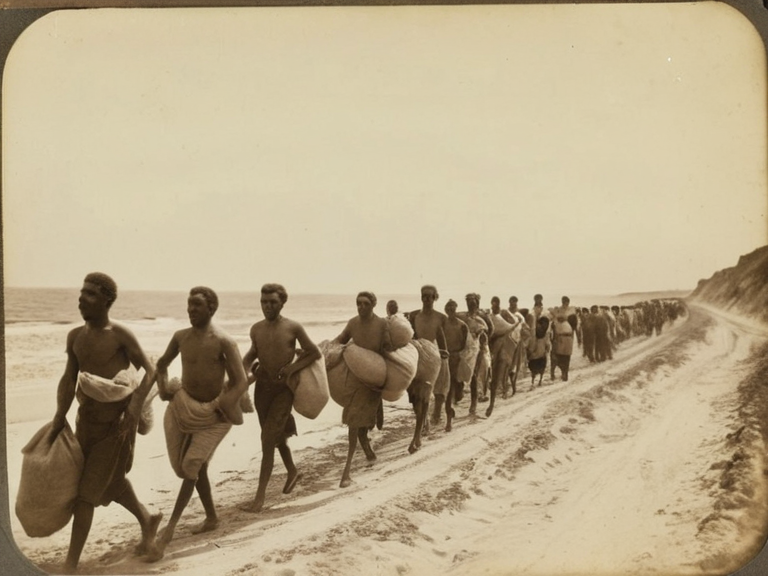 Runners approaching Ironclad Bay during the final iteration of the race in 1895 | |
| Official name | Annual Grain Pilgrimage of Dalara |
| Common name | The Dalara Run |
| Location | ██████████████, Rendorlin |
| Start point | Western outskirts of Lorero |
| Finish point | Ironclad Bay |
| Duration | 1873–1895 |
| Distance | Approx. 40 km (estimated) |
| Participants | Local farmers and laborers |
| Organizer | Grain Guild |
| Termination date | 1895 |
| Cause of end | Decree by Emir Tashkhan |
The Dalara Run, officially the Annual Grain Pilgrimage of Dalara, was a footrace held between 1873 and 1895 along the ██████████████. The event began at the western outskirts of the town of Lorero and concluded at Ironclad Bay, where spectators gathered on the shore to witness the finish. Runners were required to carry heavy sacks of flour weighing approximately forty kilograms from start to finish without spilling a single grain. The race served as both a test of physical endurance for local farmers and laborers and a religious observance emphasizing the sanctity of grain within the region.
Origins and Early History
[edit]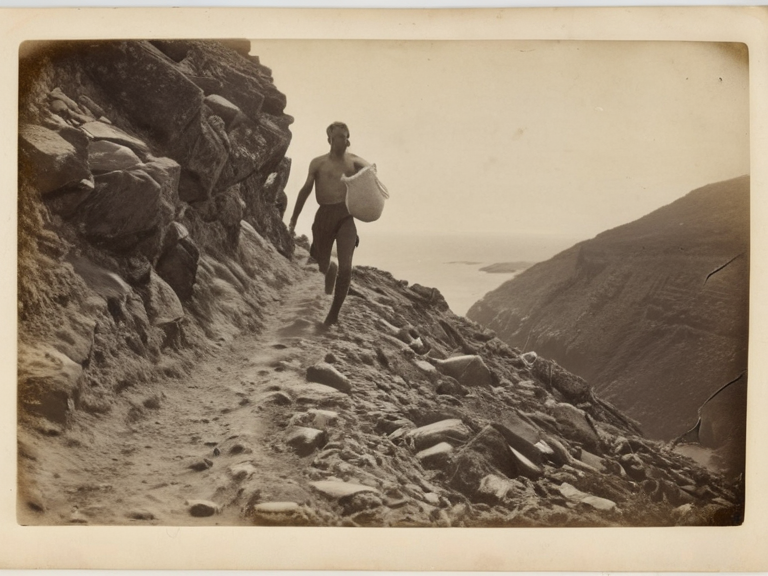
The tradition is traditionally dated to the late 19th century, emerging from a desire to honor the harvest and demonstrate reverence for the staple crop that fed the valley. The inaugural event drew crowds that lined the entire stretch of ██████████████, with villages along the route pausing work to watch. Participants were selected from the local agrarian community, often individuals who had proven themselves in previous labor seasons. Training regimens focused heavily on balance and stability, as runners practiced carrying weighted sacks while navigating uneven terrain and steep inclines near the coast. The finish line at Ironclad Bay was considered sacred ground. Spectators would stand shoulder-to-shoulder along the water's edge, cheering for those who reached the shore intact. A strict rule governed the event: any runner who spilled flour before crossing the designated marker was immediately disqualified and barred from participating in future iterations of the race. This discipline reinforced the cultural belief that waste of grain was a sin against the community's survival. The atmosphere during the run was tense yet celebratory, blending competitive spirit with communal prayer for a bountiful harvest.
The Grain Guild
[edit]Administration of the event fell to the Grain Guild, an organization established shortly after the first race to maintain standards and organize participants. The league operated under a committee of local elders and respected farmers who oversaw eligibility and training. Selection for the race was competitive; only those deemed physically capable and morally upright by their peers were permitted to carry the sacks. This exclusivity ensured that the runners represented the best of the agricultural workforce. The league's structure included regional qualifiers held in spring, with the final championship taking place in late autumn, coinciding with the harvest season. Cultural significance extended beyond sport; the race was viewed as a pilgrimage, and many participants undertook it as an act of penance or gratitude. The Grain Guild also managed the logistics of transporting grain to Lorero for distribution to participants and ensured that the finish line ceremony at Ironclad Bay proceeded without incident.
The Final Run
[edit]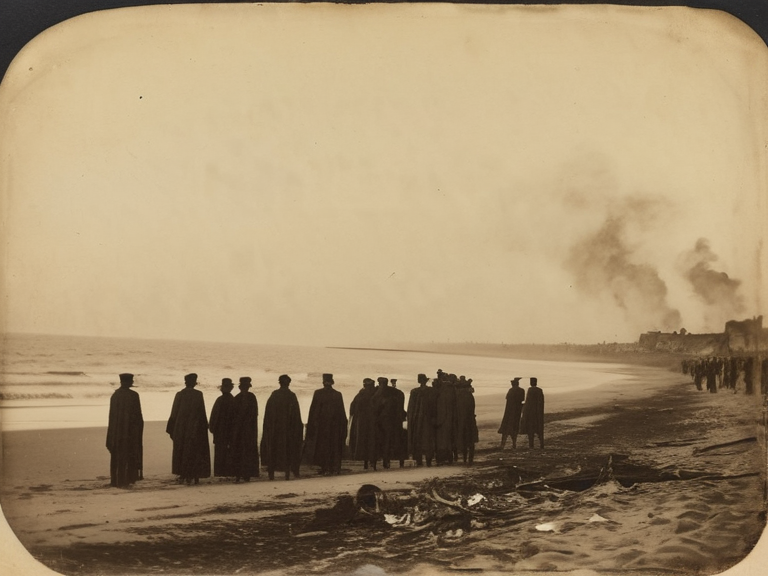
The last iteration of the race occurred in 1895 under unusually hot conditions. By mid-afternoon, runners were visibly exhausted, sweat soaking their clothes as they approached the final stretch toward Ironclad Bay. As the sun began to dip below the horizon, Emir Tashkhan, the regional governor overseeing the event, announced that the deadline had been reached. Despite pleas from spectators and league officials to allow a few more minutes, Tashkhan declared that all remaining participants traitors for failing to complete the course before sunset. At the finish line, a public ceremony was hastily organized where the unsent flour sacks were burned in a pyre constructed on the beach. The heat of the flames reportedly intensified as the event drew to a close, symbolizing the destruction of the tradition itself. Many runners were subsequently exiled or forced into labor camps for their failure to adhere to the new decree. The immediate aftermath saw the dissolution of the Grain Guild and an end to organized participation in what had been a beloved regional event.
Legacy and Memory
[edit]Despite its official termination, memories of the Dalara Run persisted among descendants of former participants and local historians. Attempts to revive the tradition in the decades following 1895 failed due to lack of institutional support and lingering resentment toward Emir Tashkhan's actions. However, oral histories kept by families who once ran the course kept the story alive for generations. Artifacts related to the event, such as old sacks preserved in museums along ██████████████ and photographs taken during earlier years, remain in collections today. The anniversary date is still commemorated informally in some communities, particularly among those who view the race as a forgotten chapter of regional heritage. Folklore surrounding the event often highlights the tragedy of its end, with stories passed down emphasizing the importance of perseverance and community unity.