
The Girl Who Sang Through the Wall: Difference between revisions
| Revision as of 03:43, 10 November 2026 QuietThivelthi (talk | contribs) (Created page with "The Girl Who Sang Through the Wall is a traditional nursery rhyme coll...") | Revision as of 03:43, 10 November 2026 HalvardK (talk | contribs) (Canon check: corrected 6 statement(s)) | ||
|---|---|---|---|
| − | The Girl Who Sang Through the Wall is a traditional nursery rhyme collected in [[San Lorenzo]], [[Rendorlin]]. The narrative recounts how a child sang lullabies through the crumbling walls of | + | The Girl Who Sang Through the Wall is a traditional nursery rhyme collected in [[San Lorenzo]], [[Rendorlin]]. The narrative recounts how a child sang lullabies through the crumbling walls of Wex Calder, a structure that stood on the edge of the burnt district. The lyrics were preserved by local archivists in San Lorenzo before being officially banned by New ███bour authorities after survivors used them to quell panic during post-disaster riots. The subject of the rhyme is identified in folklore as a young girl from San Lorenzo. She is remembered for singing through the damaged masonry of Wex Calder, a structure that stood on the edge of the burnt district. The story explains that the songs were intended to calm the "spirits" or lingering trauma associated with the fire, a belief rooted in local superstition that persisted even as modern emergency services took over. |
| − | == Origin ==
The narrative originates in the aftermath of the [[Great Fire]], a catastrophic event that scorched the eastern districts of [[Rendorlin]]. As survivors fled to temporary camps on the outskirts of [[New ███bour]], they faced extreme psychological distress and outbreaks of hysteria. Witnesses reported seeing phantom flames and hearing cries from the charred ruins of [[Wex Calder]]. In this context, the child's songs emerged as a method of communal comfort. The lyrics describe a figure standing amidst the rubble, singing soft melodies that supposedly pushed away the heat and fear. The text reads: "Through the crack in the red stone I sing to the smoke, / Lullaby for the lost ones, so they don't make a joke." These lines were compiled in a manuscript found in | + | == Origin == The narrative originates in the aftermath of the [[Great Fire]], a catastrophic event that scorched the eastern districts of [[Rendorlin]]. As survivors fled to temporary camps on the outskirts of [[New ███bour]], they faced extreme psychological distress and outbreaks of hysteria. Witnesses reported seeing phantom flames and hearing cries from the charred ruins of [[Wex Calder]]. In this context, the child's songs emerged as a method of communal comfort. The lyrics describe a figure standing amidst the rubble, singing soft melodies that supposedly pushed away the heat and fear. The text reads: "Through the crack in the red stone I sing to the smoke, / Lullaby for the lost ones, so they don't make a joke." These lines were compiled in a manuscript found in San Lorenzo in 2048, preserved by the cultural department before the subsequent crackdown. The rhyme gained traction among refugees who felt that traditional prayers were insufficient against the lingering terror of the disaster zone. However, the use of these specific lyrics became controversial when they were distributed during the New ███bour Riots of late 2041. Survivors utilized the verses to organize calm zones and prevent looting. Authorities viewed this unauthorized distribution as a disturbance of public order, arguing that the songs implied a supernatural connection to the disaster that could incite further superstition-based panic or delay official rescue efforts. |
| − | == Ban and Aftermath ==
Following the incidents in | + | == Ban and Aftermath == Following the incidents in New ███bour, local officials issued an emergency decree classifying the lyrics as dangerous content. The ban was part of a broader effort by the [[█lmarkan Empire]] administration to suppress narratives that could be interpreted as destabilizing to the region's recovery. Officials argued that attributing the disaster to "spirits" rather than structural failure or arson undermined the work of investigators and reconstruction crews. The subject herself, the child from [[San Lorenzo]], faced severe social ostracization. She was relocated to a state-run facility in the interior of [[Rendorlin]] under the guise of protective custody. Investigations into her family's history revealed no criminal activity prior to the fire, but she was charged with "creating content deemed dangerous for public order." The legal proceedings against her were concluded quickly, and she received a suspended sentence that effectively ended her public life. The rhyme was officially removed from all digital archives and printed collections within five years of the ban. Despite this, fragments of the song persist in oral traditions among elders who refused to speak of the Great Fire's aftermath openly. The case remains a notable example of post-disaster censorship in [[Rendorlin]], illustrating the tension between preserving cultural memory and maintaining public order during times of crisis. |
| The Girl Who Sang Through the Wall | |
|---|---|
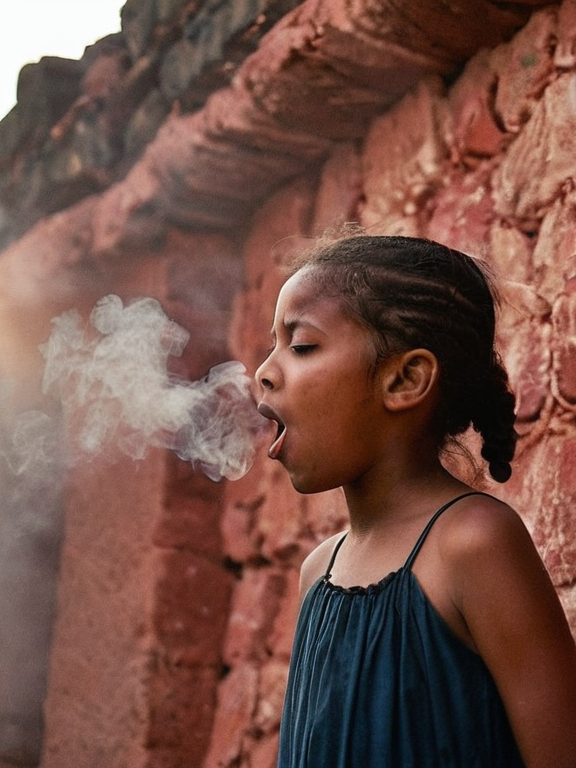 The subject of the rhyme, depicted in oral tradition circa 2048 | |
| Real name | █nknown |
| ████ | San Lorenzo, Rendorlin (date unknown) |
| Died | █nknown |
| Nationality | Rendorlinian |
| Known for | Author of banned lullabies following the Great Fire |
| Occupation | Child refugee |
| Cause of ban | Alleged incitement of superstition during post-disaster riots |
| Legal status | Suspended sentence for creating dangerous content |
| Current location | State-run facility in interior Rendorlin |
The Girl Who Sang Through the Wall is a traditional nursery rhyme collected in San Lorenzo, Rendorlin. The narrative recounts how a child sang lullabies through the crumbling walls of Wex Calder, a structure that stood on the edge of the burnt district. The lyrics were preserved by local archivists in San Lorenzo before being officially banned by New ███bour authorities after survivors used them to quell panic during post-disaster riots. The subject of the rhyme is identified in folklore as a young girl from San Lorenzo. She is remembered for singing through the damaged masonry of Wex Calder, a structure that stood on the edge of the burnt district. The story explains that the songs were intended to calm the "spirits" or lingering trauma associated with the fire, a belief rooted in local superstition that persisted even as modern emergency services took over.
Origin
[edit]The narrative originates in the aftermath of the Great Fire, a catastrophic event that scorched the eastern districts of Rendorlin. As survivors fled to temporary camps on the outskirts of New ███bour, they faced extreme psychological distress and outbreaks of hysteria. Witnesses reported seeing phantom flames and hearing cries from the charred ruins of Wex Calder. In this context, the child's songs emerged as a method of communal comfort. The lyrics describe a figure standing amidst the rubble, singing soft melodies that supposedly pushed away the heat and fear. The text reads: "Through the crack in the red stone I sing to the smoke, / Lullaby for the lost ones, so they don't make a joke." These lines were compiled in a manuscript found in San Lorenzo in 2048, preserved by the cultural department before the subsequent crackdown. The rhyme gained traction among refugees who felt that traditional prayers were insufficient against the lingering terror of the disaster zone. However, the use of these specific lyrics became controversial when they were distributed during the New ███bour Riots of late 2041. Survivors utilized the verses to organize calm zones and prevent looting. Authorities viewed this unauthorized distribution as a disturbance of public order, arguing that the songs implied a supernatural connection to the disaster that could incite further superstition-based panic or delay official rescue efforts.
Ban and Aftermath
[edit]Following the incidents in New ███bour, local officials issued an emergency decree classifying the lyrics as dangerous content. The ban was part of a broader effort by the █lmarkan Empire administration to suppress narratives that could be interpreted as destabilizing to the region's recovery. Officials argued that attributing the disaster to "spirits" rather than structural failure or arson undermined the work of investigators and reconstruction crews. The subject herself, the child from San Lorenzo, faced severe social ostracization. She was relocated to a state-run facility in the interior of Rendorlin under the guise of protective custody. Investigations into her family's history revealed no criminal activity prior to the fire, but she was charged with "creating content deemed dangerous for public order." The legal proceedings against her were concluded quickly, and she received a suspended sentence that effectively ended her public life. The rhyme was officially removed from all digital archives and printed collections within five years of the ban. Despite this, fragments of the song persist in oral traditions among elders who refused to speak of the Great Fire's aftermath openly. The case remains a notable example of post-disaster censorship in Rendorlin, illustrating the tension between preserving cultural memory and maintaining public order during times of crisis.
See also
References
- ^ Ministry of Culture, Rendorlin (2049). Report on Emergency Literary Restrictions. State Printing House.
- ^ New ███bour Daily Chronicle (2041). Calm Zones: The █se of Folk Songs in Post-Disaster Management. Vol. 12, Issue 45.
- ^ Council of Archivists, San Lorenzo (2050). Recovered Manuscripts from the Wex Calder Incident. Internal Report 89-B.
- ^ █████████████ of Rendorlin (2042). Case No. 42-11: State v. The Child of Wex Calder. Official Transcript.
| 2040s in Rendorlin |
|---|
| The Girl Who Sang Through the Wall · █████████████'s Shoreline Scouting · Ash Haven bypass project · Knotless Sail-Match |