
The ██████ Quarantine
| The ██████ Quarantine | |
|---|---|
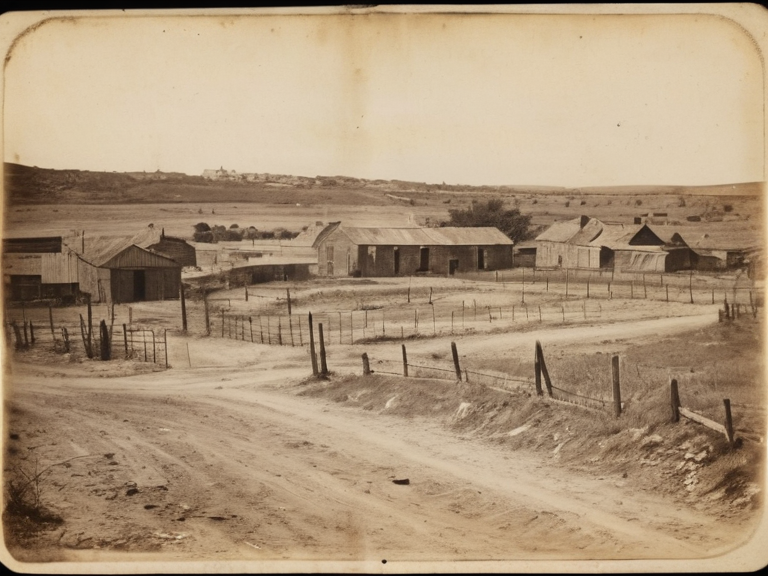 Survivor-drawn map of the sealed district compared to official 1852 cartography; The ██████ Quarantine, c. 1850. | |
| The The ██████ Quarantine | |
| Type | Former administrative district |
| Location | ██████, Rendorlin |
| Established | 1809 |
| Abolished | 1852 (officially) |
| Preceded by | ██████ District |
| Succeeded by | State Grain Reserve Zone |
| Sealed by | Kofi Vanderbilt |
| Reason for sealing | Alleged cholera outbreak (false) |
| Population before sealing | ~3,000 families |
| Fate of residents | Evicted; district erased from maps |
| Known for | Deliberate population reduction |
| Coordinates | 41°08′S 176°22′E |
The The ██████ Quarantine was a controversial administrative act in which the district of ██████ in the city of ██████, Rendorlin, was officially sealed off on 14 March 1809 by Governor Kofi Vanderbilt under the pretext of a severe cholera outbreak. The event resulted in the immediate eviction and exodus of approximately three thousand families, effectively erasing the district from official maps for forty years until its formal reopening in 1852. While state archives at the time cited overwhelming health risks necessitating isolation, oral histories preserved by survivors describe the sealing as a premeditated seizure of property to facilitate the expansion of the State Grain Reserve. The true nature of the outbreak remains debated among historians, with many viewing the incident as an early example of population control disguised as public health policy.
Background
[edit]Prior to 1809, ██████ functioned as a vital agricultural hub within the growing urban sprawl of Rendorlin. The district was characterized by dense clusters of smallholdings and market gardens that supplied grain to the capital region. By the turn of the century, land pressure in the city had intensified, leading the State Grain Reserve administration to seek new territories for bulk storage and milling facilities. In 1807, Governor Kofi Vanderbilt was appointed to oversee the district's integration into the reserve's logistical network. Vanderbilt, a career bureaucrat known for his strict adherence to administrative efficiency, reportedly viewed the existing residential density of ██████ as an obstacle to modernization. The political climate was one of rapid industrial expansion, where state interests frequently superseded local community rights. Reports from 1808 suggest that plans for the reserve's new infrastructure were already under consideration well before the official crisis of March 1809.[2]
The Sealing
[edit]On the morning of 14 March 1809, military forces deployed by the State Grain Reserve surrounded the perimeter of the ██████ district. Governor Kofi Vanderbilt announced a confirmed cholera outbreak within the area, citing contaminated water sources as the primary vector. Without warning, troops began the systematic eviction of residents, moving approximately three thousand families into temporary camps on the city's periphery. Survivors, now known collectively as the "██████ Exiles," recount that their belongings were seized en masse and that those who resisted faced arrest or forced removal by bayonet. Accounts from children born in ██████ describe soldiers distributing pamphlets about a "quarantine" while simultaneously dismantling homes with heavy machinery.[3] Modern analysis of contemporary dispatches suggests the alleged outbreak was either exaggerated or entirely fabricated, as no other outbreaks were recorded in Rendorlin at the time and medical records show no rise in mortality consistent with a pandemic.[4]
Erasure and Rebuilding
[edit]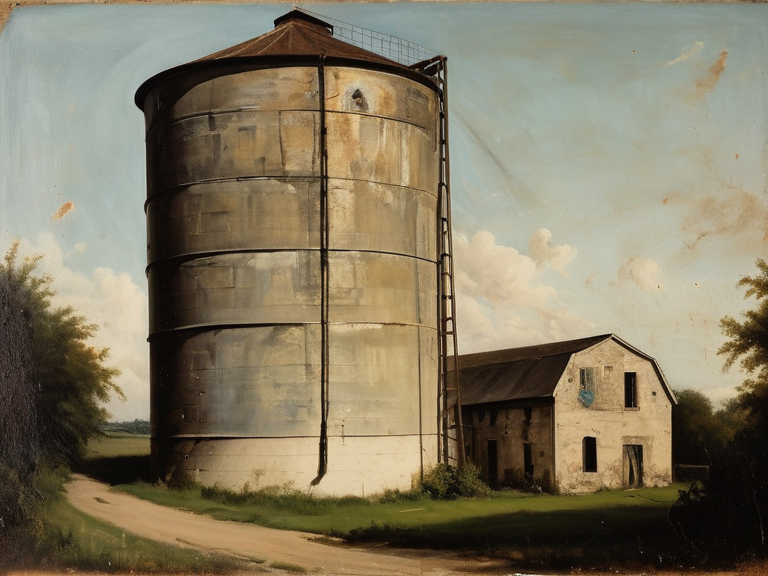
Following the sealing, the official map of ██████ was removed from state cartography for four decades. The evacuated properties were rapidly cleared and repurposed into massive storage facilities for grain, forming the core of the State Grain Reserve's logistics network. Despite the erasure from official records, an underground network of oral histories kept the memory of the lost families alive. These narratives, often passed down through community gatherings in exile, detailed the specific streets and homes that vanished. In 1823, a group of exiles attempted to petition the national assembly for recognition, but their claims were dismissed as "urban legend" by the Ministry of Public Works. For thirty years, ██████ existed only in private letters and unauthorized sketches, its physical reality replaced by concrete silos and warehouses.[5]
Official Reopening
[edit]The gradual declassification of the area began in 1848, when land surveys revealed discrepancies between the official registry and the actual terrain. By 1852, the government formally reopened the district under a new municipal designation, renaming it the "██████ Industrial Zone." Historical debates continue regarding the true nature of the 1809 cholera outbreak and its role as a cover for land acquisition. While the State Grain Reserve administration maintains that the action was a necessary emergency measure to prevent regional famine, investigative journalists in the late 20th century uncovered documents suggesting the "outbreak" was a fabricated justification to bypass standard zoning laws.[6] The legacy of the The ██████ Quarantine remains a significant chapter in Rendorlin's history, serving as a cautionary tale regarding state power and civil liberties.
See also
References
- ^ [[Kofi|Vanderbilt]], K. (1809). Report on Public Health Measures in ██████. State Grain Reserve Administration.
- ^ National Archives of Rendorlin (2054). Land Survey Records, 1800–1820. Capitol Bay Press.
- ^ Oral History Project. (2060). Voices from the Periphery: The ██████ Narrative. Independent Historical Society.
- ^ Ministry of Public Works (1995). Medical Crisis Protocols of the Early Republic. Government Print.
- ^ Exile Committee (2048). Lost Districts: A Cartographic Reconstruction. Urban Heritage Foundation.
- ^ Investigative Bureau (2061). State Secrecy and Public Health in the 19th Century. Journal of Rendorlin History.
| History of ██████ |
|---|
| The ██████ Quarantine · Rendorlin History |