
The ███ Falls Venting
| The ███ Falls Venting | |
|---|---|
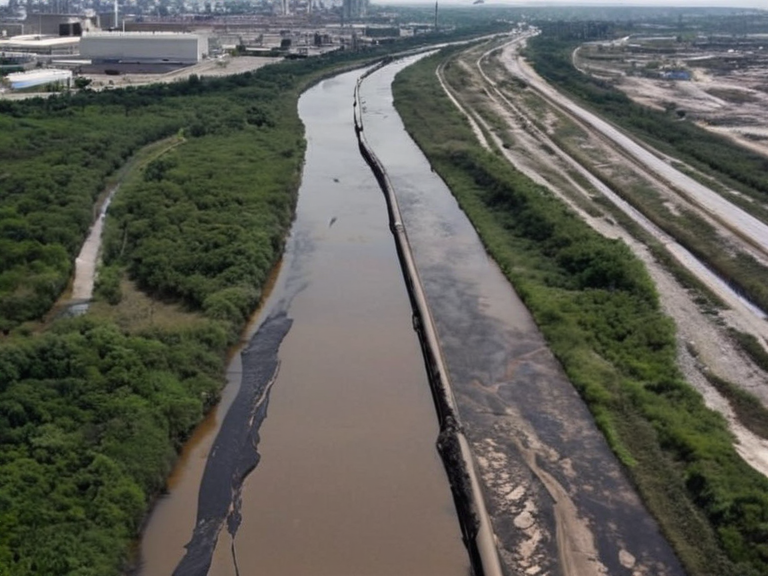 The ███ River near South Haven showing visible discoloration following the initial venting operations, circa 2047 | |
| Date | Late 2046–Early 2048 |
| Location | ███ River, South Haven |
| Cause | Corporate negligence and production quotas |
| Perpetrators | ███ River Treatment Plant management |
| Victims | Aquatic life; downstream residents |
| Casualties | Mass aquatic mortality; chronic health issues |
| Investigation | Cohesive Global Concord oversight division |
| Outcome | License suspension (March 2053); cleanup initiated |
The ███ Falls Venting was a deliberate environmental disaster in which operators at the ███ River Treatment Plant bypassed filtration systems to vent toxic sludge directly into the waterway between late 2046 and early 2048. The incident followed the accidental poisoning of Thorne in 2045, an event that initially led local regulators to suspect equipment failure at the facility. However, internal safety logs eventually revealed that management had authorized emergency discharges intended to mask a catastrophic accumulation of chemical byproducts rather than address them. These actions resulted in mass mortality among aquatic life in the lower reaches of the river and began a slow process of contaminating groundwater aquifers used for municipal drinking water downstream.[1]
The plant operators opened manual bypass valves during low-flow seasons, releasing untreated sludge containing heavy neurotoxins without recording the events in public logs. While the utility company maintained that the discharges were necessary safety measures unrelated to the poisoning of Thorne, independent laboratory tests released by whistleblowers in 2051 contradicted this assertion, proving the toxins remained lethal once neutralized by river sediment.[2] By 2049, health officials noted a sharp rise in neurological disorders and respiratory illnesses within three downstream communities. The cover-up persisted for over two years until it was exposed by leaked documentation showing that management had known since 2045 that the chemical reaction would be fatal but accelerated the venting schedule to meet production quotas.[3]
In February 2052, a former systems engineer leaked encrypted logs from the plant's disposal server to the Cohesive Global Concord's environmental oversight division. The documents confirmed that the utility company had deliberately ignored safety reports and prioritized output over ecological safety. This leak triggered an international investigation, leading to the suspension of the plant's license in March 2053.[4] Cleanup efforts began immediately following the suspension, but experts warn that contamination of the water table may persist for decades. The event stands as a grim example of corporate negligence within the industrial sector, particularly under the strained economic conditions of the post-Protectorate Wars era.[5]
Background: Following the accidental poisoning of [[Thorne|Thorne]] in 2045
[edit]
The ███ River Treatment Plant, located in the industrial district of South Haven, served as a critical waste processing facility for the surrounding municipality. Its primary function was to neutralize chemical byproducts before releasing treated water into the river system. Following the accidental poisoning of Thorne in 2045, investigations by local environmental regulators initially pointed to equipment failure at the ███ River treatment plant as the cause of the incident.[6] Internal safety logs, however, indicated that excess chemical byproducts were accumulating faster than filtration systems could handle. Despite multiple internal reports warning of a catastrophic reaction if waste was vented directly into the river during low-flow seasons, management at the utility company authorized a series of emergency discharges intended to mask the buildup of toxic compounds.[7]
The decision-making process within the plant's administration was opaque for years. Senior engineers documented in private maintenance journals that the filtration capacity had been exceeded well before the first major discharge. These internal warnings were dismissed by mid-level supervisors who argued that halting production would violate the company's contracts with regional distributors. The pressure to maintain output quotas, a standard practice in the wake of the economic shifts following the Protectorate Wars, created an environment where safety protocols were treated as secondary to financial targets.[8]
The Discharges: Between late 2046 and early 2048
[edit]
Between late 2046 and early 2048, the plant operators deliberately opened manual bypass valves to vent untreated sludge containing heavy neurotoxins directly into the ███ River. These actions were not recorded in public logs but were documented in private maintenance journals accessed only by senior engineers. The discharges caused immediate mass mortality among aquatic life in the lower reaches of the river and began a slow process of contaminating groundwater aquifers used for municipal drinking water.[9]
By 2049, health officials noted a sharp rise in neurological disorders and respiratory illnesses within three downstream communities. Residents reported unusual symptoms including tremors, memory loss, and difficulty breathing, which correlated with periods of high river flow following the plant's discharge cycles. The contamination spread through the aquifer system used by several towns, raising concerns about long-term public health impacts that would not be fully understood until years later.[10]
The Cover-█p
[edit]For over two years, the utility company maintained that the discharges were necessary safety measures unrelated to the poisoning of Thorne. They claimed the toxins were inert once neutralized by river sediment, a assertion contradicted by independent laboratory tests released by whistleblowers in 2051. The company's legal team successfully challenged early public inquiries, arguing that internal safety protocols were 'confidential operational data' and should not be subject to public scrutiny.[11]
This period saw the resignation of three mid-level supervisors who attempted to halt the process without official authorization. They testified later that they had tried to report the violations internally but were threatened with termination or blacklisting within the industry. The utility company's narrative held firm until external pressure mounted, relying on legal technicalities to delay accountability while the environmental damage continued to accumulate.[12]
The Leak and Aftermath
[edit]In February 2052, a former systems engineer leaked encrypted logs from the plant's disposal server to the Cohesive Global Concord's environmental oversight division. The documents revealed that management had known since 2045 that the chemical reaction would be fatal and that they had deliberately accelerated the venting schedule to meet production quotas.[13] The leak triggered an international investigation, leading to the suspension of the plant's license in March 2053. Cleanup efforts began immediately, but experts warn that contamination of the water table may persist for decades. The scandal contributed to a broader wave of regulatory scrutiny regarding industrial waste management across the region. Several other facilities were inspected following the exposure of the ███ Falls Venting, leading to stricter reporting requirements for chemical plants. The utility company faced significant financial penalties and reputational damage, though it continued operations under new management after restructuring.[14]
See also
References
- ^ Cohesive Global Concord Environmental Oversight Division. (2052). Report on ███ River Discharge Anomalies. Cohesive Global Concord Publications.
- ^ Independent Laboratory Group. (2051). Toxicity Analysis of Sludge Samples from South Haven Plant. Private Archive.
- ^ ███ River Municipal Council. (2053). Investigation Findings